Utilizing Behavioral Analytics to Optimize B2B Campaigns
31 July 2026
When it comes to B2B marketing, understanding your audience is everything. But here’s the catch—traditional marketing metrics only scratch the surface. You track clicks, impressions, and conversions, but do you really know why your audience behaves the way they do?
This is where behavioral analytics steps in. It's like putting on night-vision goggles in the pitch-black world of data. You get clearer insights into customer behavior, allowing you to fine-tune your campaigns for maximum engagement and ROI.
Let’s break it down and see how you can leverage behavioral analytics to take your B2B campaigns to the next level.
What is Behavioral Analytics?
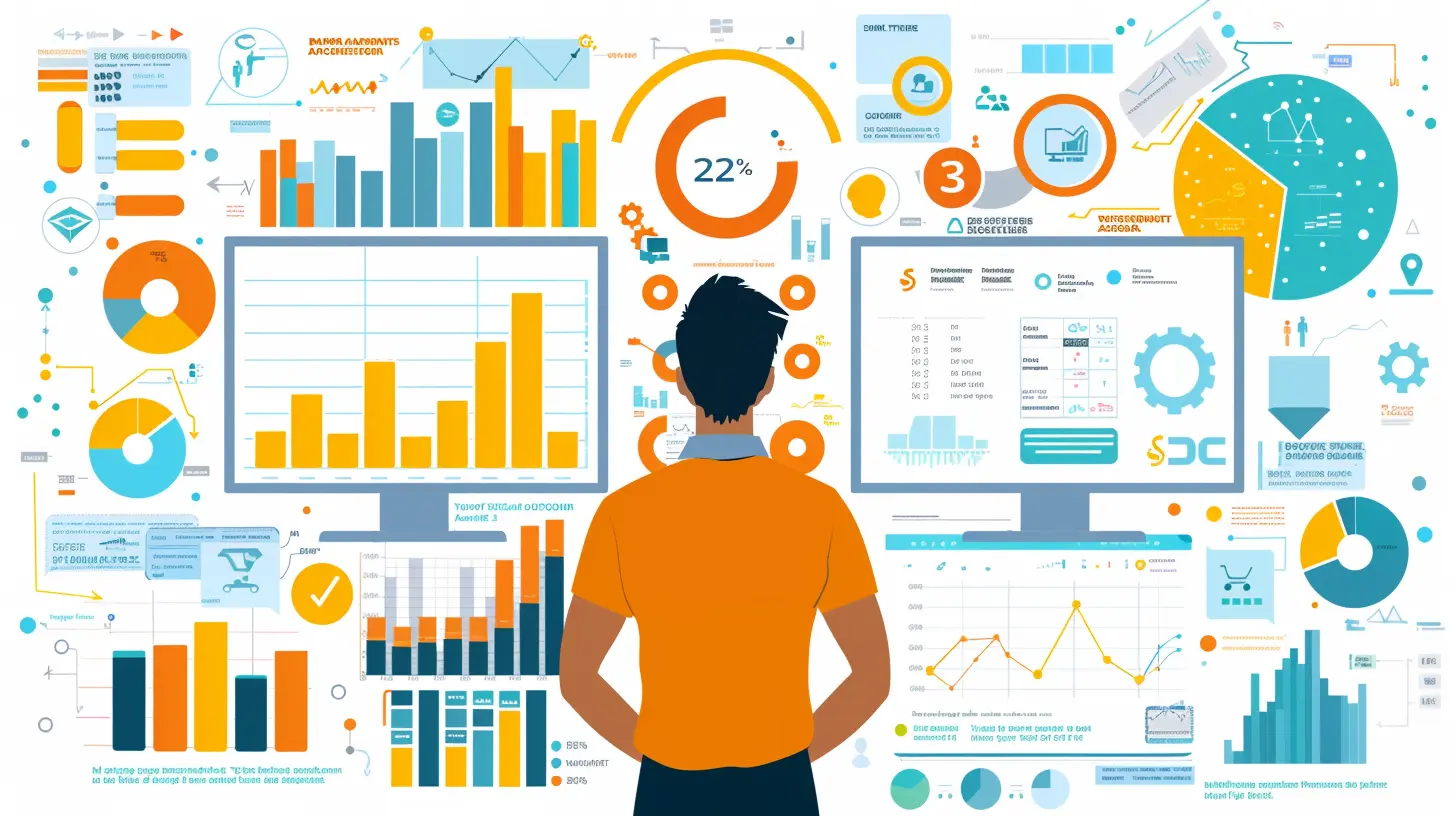
Behavioral analytics is the practice of analyzing user actions to gain deeper insights into their motivations, preferences, and pain points. Instead of just looking at surface-level metrics (like page views or email open rates), it dives into how users interact with your content, website, and product.It answers critical questions like:
- Why do potential leads drop off before converting?
- What content keeps them engaged the longest?
- How do different customer segments behave differently?
By tapping into these insights, B2B marketers can create hyper-personalized campaigns that resonate with their audience's actual needs.

Why Behavioral Analytics Matters in B2B Marketing
Many B2B companies make the mistake of treating their audience as a monolithic group. But the truth is, every buyer has a unique journey influenced by their role, industry, and specific pain points.Here’s why behavioral analytics is a game-changer for B2B marketing:
- Better Lead Scoring – Not all leads are created equal. Behavioral data helps prioritize leads based on engagement and intent rather than just demographic info.
- Personalized Messaging – Understanding user behavior allows you to tailor messaging that speaks directly to their needs.
- Higher Conversions – The more aligned your marketing is with user behavior, the higher your chances of turning prospects into loyal customers.
- Optimized Customer Journeys – You can identify roadblocks in the buyer’s journey and remove friction points.
Now that you see why behavioral analytics is essential, let’s dive into how you can use it effectively in your B2B campaigns.
Key Ways to Use Behavioral Analytics in B2B Campaigns
1. Tracking User Engagement Across Multiple Touchpoints
B2B buyers don’t make impulsive decisions. They go through multiple stages before committing to a purchase. That means they interact with your brand across different platforms—your website, social media, email campaigns, and maybe even offline events.By tracking behavioral data across these touchpoints, you can understand how leads move through the funnel. Look for:
- Which blog posts they read before signing up for a demo
- What emails they engage with the most
- How frequently they return to your website
This helps you identify high-performing channels and refine your strategy to meet buyers where they are.
2. Segmenting Your Audience for Better Targeting
One-size-fits-all messaging doesn’t work in B2B marketing. Behavioral analytics allows you to segment your audience based on their interactions with your brand.For example:
- Highly engaged leads: People who frequently visit your site, download whitepapers, and attend webinars. These leads may be close to converting, so they need more direct sales outreach.
- Casual browsers: Visitors who have engaged a few times but haven’t shown strong intent. They might need nurturing through targeted email campaigns.
- Silent prospects: Leads who initially showed interest but have gone cold. A re-engagement strategy could bring them back into the funnel.
The more precise your segments, the better your messaging will resonate.
3. Personalizing Content Based on Behavior
Imagine walking into a clothing store, and the salesperson immediately recommends clothes based on your style preferences. That’s what behavioral analytics does for content marketing.By analyzing what prospects are reading, watching, and engaging with, you can serve them relevant content at the right time.
For instance:
- If a lead downloads a guide on B2B growth strategies, follow up with a case study showcasing real-world success stories.
- If they abandon their demo sign-up, send a gentle reminder with added incentives.
- If they frequently visit your pricing page, offer a personalized consultation.
This kind of customized approach keeps them engaged and increases the likelihood of conversion.
4. Optimizing Email Campaigns Based on Engagement Data
Email marketing is still one of the most effective tools in B2B, but only if done right. Behavioral analytics helps optimize email campaigns by:- Identifying the best send times based on when users engage the most
- Refining subject lines and content based on open and click-through rates
- Personalizing emails based on past engagement (e.g., offering a product demo if they’ve already read your blog on a related topic)
No more guesswork—just data-driven tweaks that ensure your emails actually get read.
5. Predictive Analytics to Forecast Buying Intent
Wouldn’t it be amazing if you could predict which leads are most likely to convert? Well, behavioral analytics combined with predictive modeling can do just that.By analyzing past behaviors (such as repeated visits to the product page, engagement with case studies, or webinar attendance), AI-powered tools can assign a likelihood score to each lead.
This helps your sales team prioritize outreach efforts, focusing on high-intent leads instead of wasting time on cold prospects.
6. Reducing Churn by Identifying At-Risk Accounts
In B2B, customer retention is just as important (if not more) than acquiring new clients. Behavioral analytics can help you identify customers who are at risk of churning before it’s too late.Watch for signs like:
- Decreased logins or platform usage
- Lack of engagement with customer support or emails
- Negative sentiment in feedback or survey responses
Once you spot these red flags, you can take proactive measures—whether it’s sending a personalized check-in email, offering additional support, or finding solutions to their pain points.

Implementing Behavioral Analytics in Your B2B Strategy
So, how do you get started?1. Invest in the Right Tools – Platforms like Google Analytics, HubSpot, Mixpanel, and Hotjar can help track and analyze user behavior effectively.
2. Define Key Metrics – Decide what behaviors matter most for your goals (e.g., demo sign-ups, content engagement, email interactions).
3. Centralize Your Data – Ensure all data sources (website, CRM, email campaigns) are integrated for a holistic view.
4. Test and Refine Continuously – Behavioral trends change over time, so regularly analyze and tweak your strategies.
Final Thoughts
Behavioral analytics isn’t just a buzzword—it’s a must-have for any B2B marketer looking to optimize their campaigns and drive meaningful results.By understanding how your audience interacts with your brand, you can craft more personalized, engaging, and effective campaigns that convert leads into loyal customers.
So, are you ready to ditch the guesswork and start making data-backed marketing decisions? It’s time to put behavioral analytics to work for your B2B strategy.
all images in this post were generated using AI tools
Category:
B2b MarketingAuthor:

Caden Robinson