How to Maximize Your Upselling Potential Without Being Pushy
28 January 2026
Let’s be real for a second—nobody likes a pushy salesperson. You don’t, your customers don’t, and I can guarantee that being overly aggressive isn’t doing your business any favors in the long run.
But upselling? Done right, it’s pure magic.
In fact, you can upsell so seamlessly that your customers will thank you for it (and come back for more). Sounds good, right? Well, that’s exactly what we’re diving into today—how to maximize your upselling potential without sounding like a used car dealer.
So, pour yourself a cup of coffee, and let’s talk about human-centered, effective upselling that feels more like a helping hand than a sales pitch.
What Is Upselling, Really?
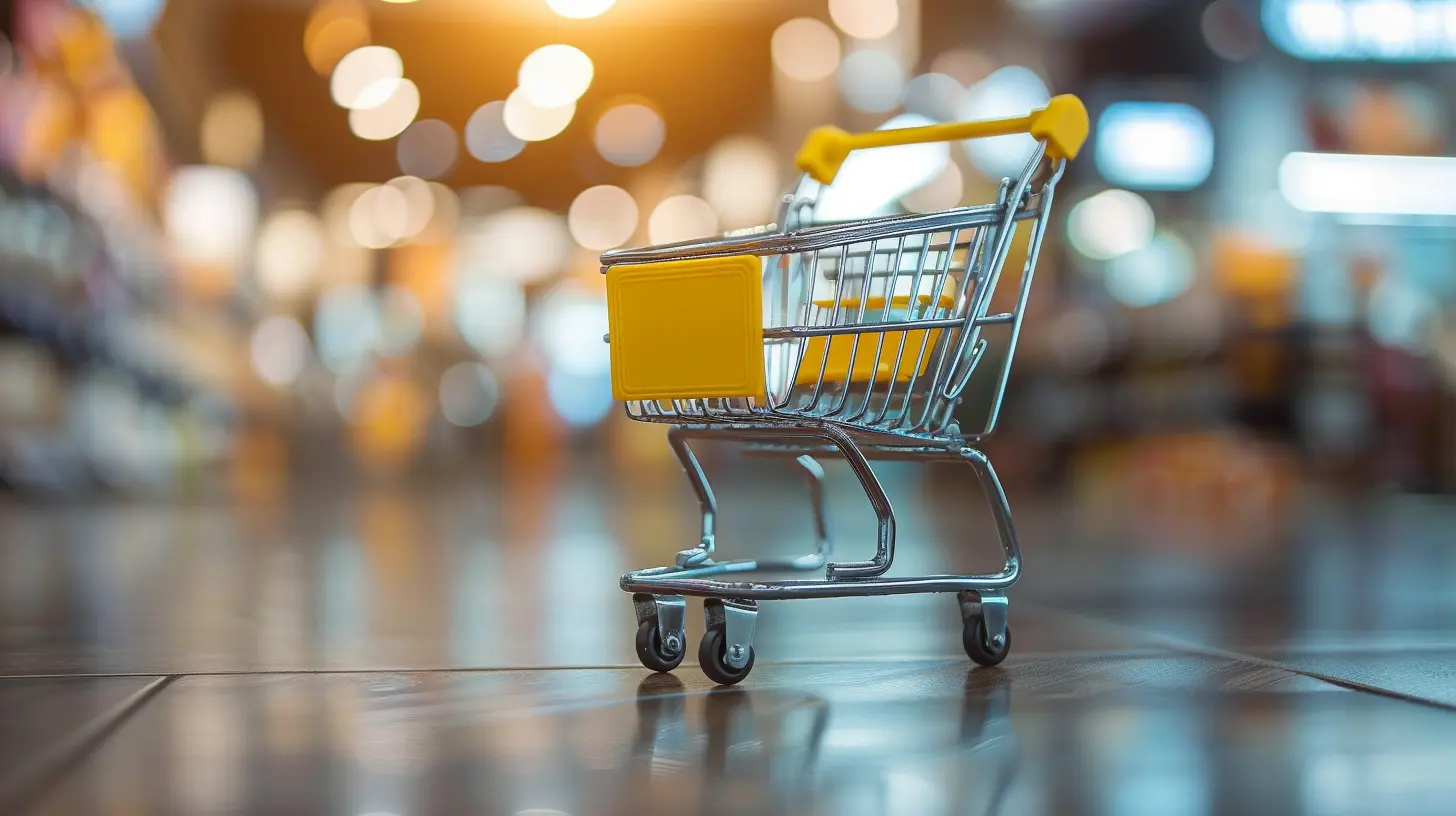
Before we start strategizing, let’s get on the same page.Upselling is the art of encouraging customers to purchase a more expensive item, an upgrade, or an add-on to make their purchase better. It’s not tricking someone into spending more money. It's about highlighting value.
Think of it like this: You walk into a coffee shop and order a plain black coffee. The barista asks, “Would you like to make it a latte with almond milk instead?” That’s upselling. Simple. Subtle. Helpful—especially if that’s what you actually wanted and just didn’t think of it.
Why People Hate Being Sold To (and How to Avoid It)
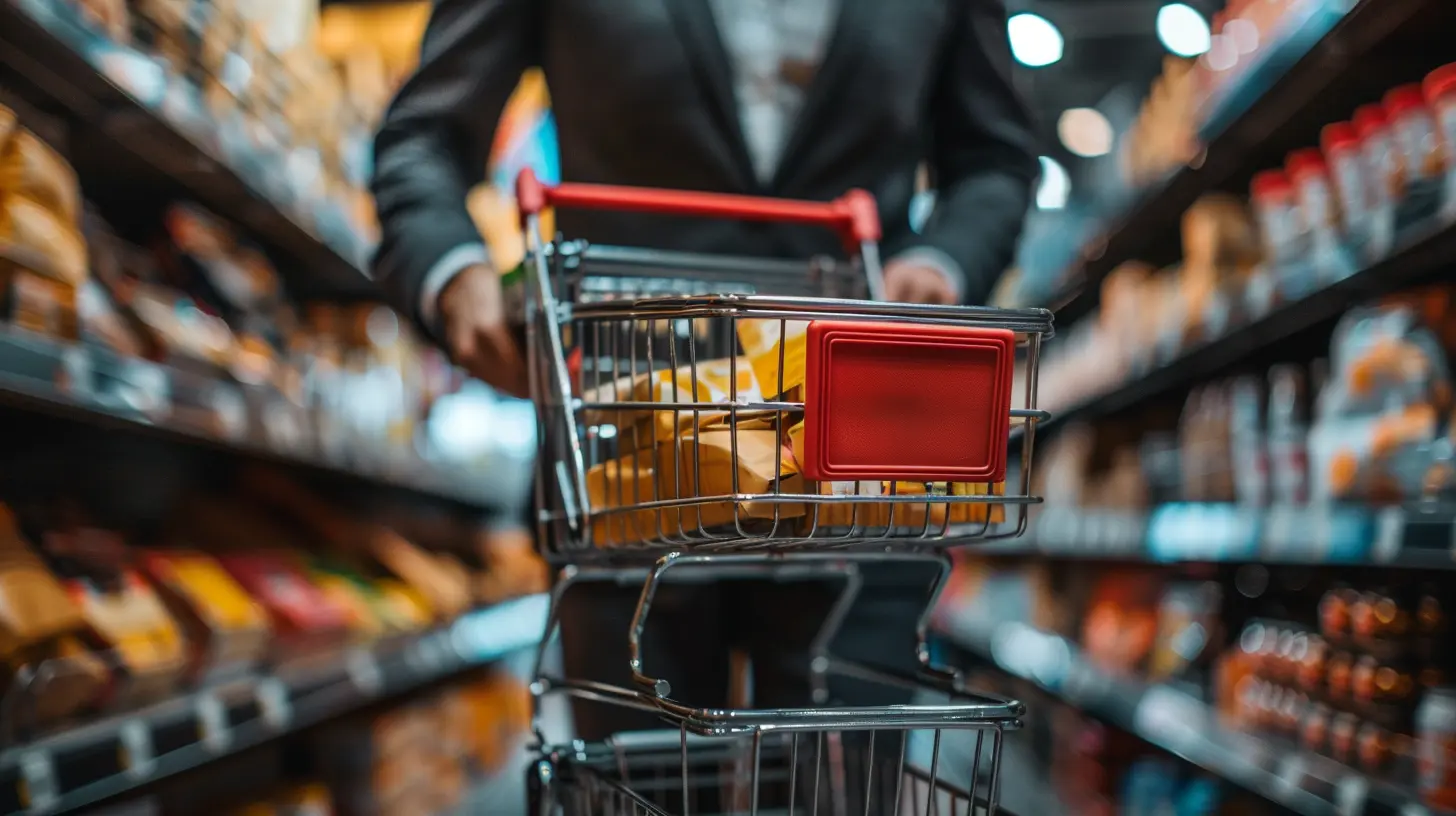
Let’s put ourselves in the buyer’s shoes. You’ve been there—you walk into a store and BAM! Someone’s talking your ear off about all the extras you “need.” It feels like they care more about their commission than your needs. Naturally, your guard goes up.So how do you upsell without triggering that internal “ugh, not again” reaction?
Here’s the secret: Give value first.
When you frame upselling as a way to solve a problem, enhance the experience, or make life easier, you shift the perception. You’re no longer pushing. You’re helping.
The Golden Rule: Know Your Customer
You can’t upsell effectively if you don’t understand who you’re talking to.Think about their needs, desires, quirks, and even their hesitations. Are they budget-conscious? Are they fast-paced decision-makers? Do they value luxury or utility?
The better you know them, the easier it is to position your upsell as a benefit, not a burden.
Pro Tip: Use data!
Dive into customer reviews, purchase history, or even social media behavior to get a clearer picture. If you’re a small business, just have meaningful conversations. People will tell you what they want if you listen.
Timing Is Everything
You don't ask someone to marry you on the first date, right? Same goes for upselling.Where and when you inject upsell suggestions matters.
Here are the sweet spots:- During decision-making: When someone is already invested in buying, suggesting a relevant upgrade feels natural.
- At checkout: Offer complementary items that enhance the original purchase.
- Post-purchase: Sometimes, the best time is after the initial sale. People are still in buying mode and open to more—especially if you follow up with a personalized suggestion.
Make It Relevant (and Personal)
Ever get offered something that made you go “What does that have to do with anything?” Exactly. Irrelevant upsells are annoying.Here’s how to keep it relevant:
- Match the upsell to the original item. Bought a camera? Offer a memory card or a lens cleaning kit.- Factor in the customer’s personal preferences.
- Use language that speaks to their goals or lifestyle.
The more tailored your upsell feels, the more natural it comes across.
Use The “If You Like That, You'll Love This” Approach
You know how Netflix recommends shows based on what you’ve watched? This works just as well in sales.Example:
Let’s say someone buys a mid-range skincare product. You might say, “A lot of people who love this cleanser also rave about this toner—it balances everything out.”This isn’t manipulation. It’s a form of social proof. People feel more confident buying when they know others found value in it too.
Emphasize Benefits, Not Features
It’s tempting to rattle off specs and features, but people don’t buy features—they buy outcomes.Don’t say, “This laptop comes with 16GB of RAM.” Instead say, “This laptop runs faster and can handle all your multitasking without slowing down.”
See the difference? One speaks tech; the other speaks results.
Upselling becomes effortless when you're painting a picture of how their life is better with the upgrade.
Build Trust First
People are more likely to take your upsell suggestion if they trust you. Simple, but important.Here's how to build that trust:
- Be honest, even if it means recommending a cheaper option that better suits their need.- Don’t pressure. Suggest and step back.
- Share genuine use cases or stories from other customers.
And please, skip the sleazy lines like “This offer is only good for the next five minutes.” That’s not urgency, it’s manipulation—and your customers can smell it a mile away.
Simplify The Decision
Too many choices = paralysis.If you’re throwing five upgrades at your customer at once, they’re more likely to say no to everything just to avoid the hassle.
Instead:
- Offer one or two clear, value-driven suggestions.- Use visuals to show the difference (especially for eCommerce).
- Highlight what they gain vs. what they spend.
Think of it like guiding a friend through a menu. You wouldn’t list 10 dishes—you’d say, “You’ve gotta try the steak. Everyone loves it, and it’s totally worth the extra few bucks.”
Bundle It Up
Bundles are the granddaddy of natural upselling.Why? They feel like a deal…and who doesn’t love a deal?
When you group related items together and put a slightly lower price than buying them separately, customers get more value and you increase your cart size.
Example:
Instead of, “Buy these items separately,” say, “Get the full starter kit for just a little more—it includes everything you need to get started and saves you $10!”That’s an easy “yes” for most folks.
Train Your Team (Or Yourself)
If there’s a team behind your sales process—whether it’s online chats, storefront clerks, or support reps—upselling should feel like an extension of customer service.Teach them to:
- Ask discovery questions first.- Listen more than they talk.
- Offer upsell options as helpful tips rather than hard pitches.
- Mirror the customer’s tone and pace.
Even if you’re a solopreneur, these principles apply. Every blog post, email, or product page can “speak” in this same helpful tone.
Leverage Your Website and Automation
Here’s where we get into the scalable stuff, perfect for online sellers.Use smart website triggers:
- Show related or upgraded products on product pages.- Add “Customers also bought” sections.
- Use exit-intent popups with relevant upgrades.
- Personalize based on browsing or purchase history.
And don’t forget post-purchase emails—automated and personalized emails offering a highly relevant add-on can work wonders.
Don’t Forget to Follow Up
Upselling doesn't end the moment someone clicks “buy.” It extends into how you nurture that relationship.Example:
Let’s say someone buys a beginner guitar. A week later, send a friendly email:“Hey! How’s the new guitar treating you? A lot of our beginners have found this practice app super helpful for learning chords. Thought you might like it!”
That’s low pressure, thoughtful, and shows you care.
Keep Measuring and Tweaking
What gets measured gets managed, right?Track your upselling efforts. Look at:
- Conversion rates on upsell offers
- A/B test different suggestions
- Which products have the highest upsell success rates
- Post-upsell satisfaction (very underrated!)
Regular optimization helps you strike that perfect balance between value-driven suggestions and customer comfort.
Final Thoughts: It’s All About Helping, Not Hustling
At the end of the day, great upselling is about understanding value—your product’s value and your customer’s values.If you approach the conversation with empathy, curiosity, and a genuine desire to help solve a problem or enhance an experience, you’ll never come across as pushy.
So next time you’re about to make a sale, ask yourself: “What would help this person get even more out of their purchase?”
If the answer is clear, that’s your upsell—and it’ll feel more like guidance than a sales pitch.
Happy upselling!
all images in this post were generated using AI tools
Category:
Sales StrategiesAuthor:

Caden Robinson
Discussion
rate this article
2 comments
Rivera Green
Effective upselling hinges on understanding customer needs; authentic engagement fosters trust and connection, making the offer feel like a genuine value rather than a tactic.
March 3, 2026 at 11:47 AM
Caden Robinson
Absolutely, connecting with customers on a genuine level makes upselling feel natural and beneficial. It's all about aligning offers with their needs.
Niko McCord
Great tips! Upselling can feel tricky, but with the right approach, it’s all about building genuine connections.
January 28, 2026 at 11:52 AM
Caden Robinson
Thank you! Building authentic connections is key to successful upselling. I'm glad you found the tips helpful!