A Beginner’s Guide to Investing in Commodities
16 February 2026
Let’s get real for a minute. Investing in commodities might sound like something only Wall Street pros do, right? You might be picturing people in suits yelling over phones, trading barrels of oil or sacks of wheat. But here’s the truth — anyone can start investing in commodities, even if you're just starting out in the world of investing.
So, whether you’re itching to diversify your portfolio, hedge against inflation, or simply curious about how commodities fit into the big financial puzzle — this guide is for you.
We’re going to break it all down, make it super easy to understand, and maybe even make it a little fun along the way.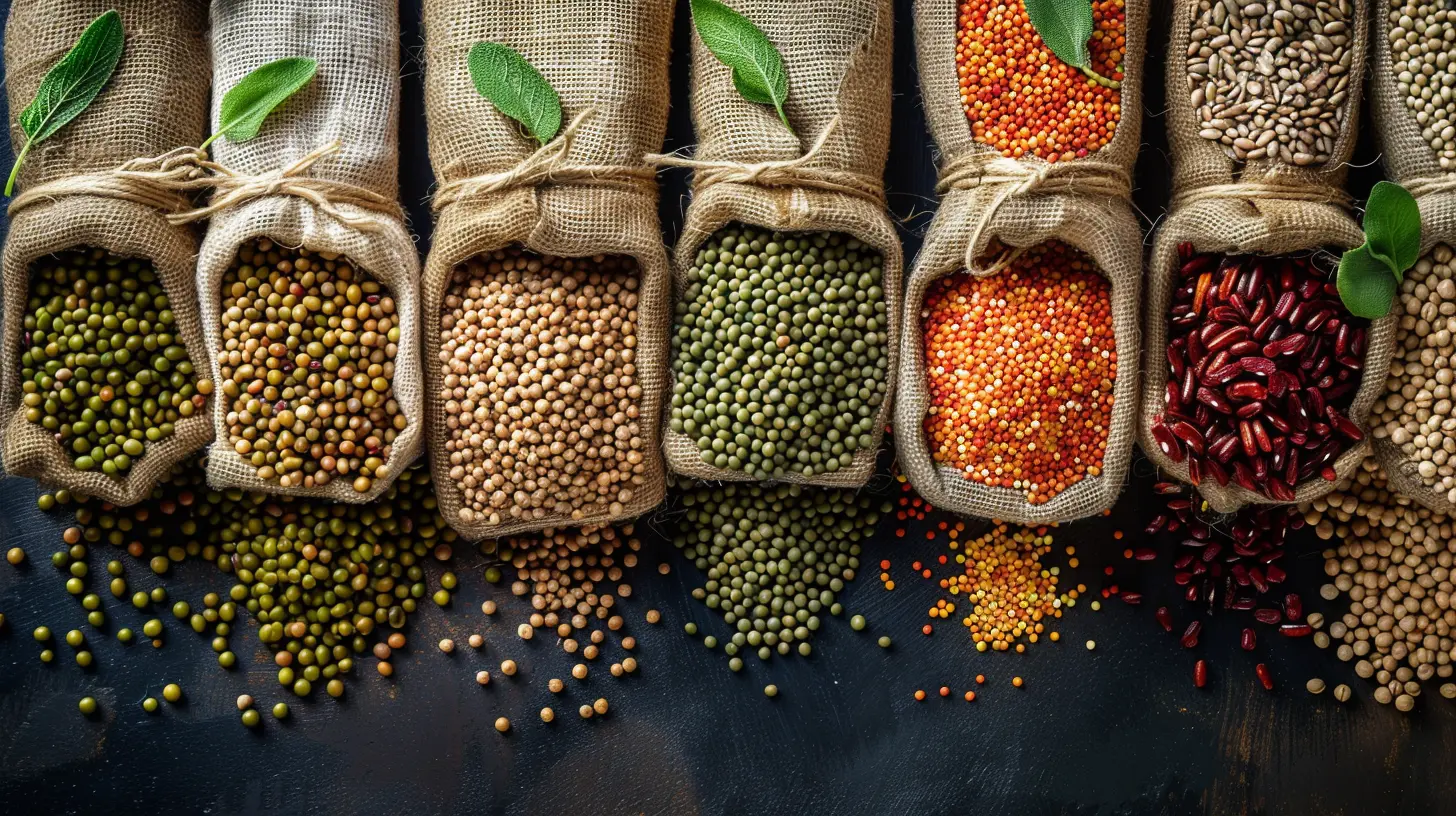
What Exactly Are Commodities?
Let’s start with the basics. Commodities are raw materials or primary agricultural products that can be bought and sold. Think of stuff like:- Crude oil
- Gold
- Natural gas
- Corn
- Coffee
- Cattle
If it's a basic good used in commerce that’s interchangeable with other goods of the same type, it’s a commodity.
So, a barrel of oil is a barrel of oil, no matter where it comes from. Same with a bushel of wheat or an ounce of gold. Traders don't care who produced it — they just care about the quality and price.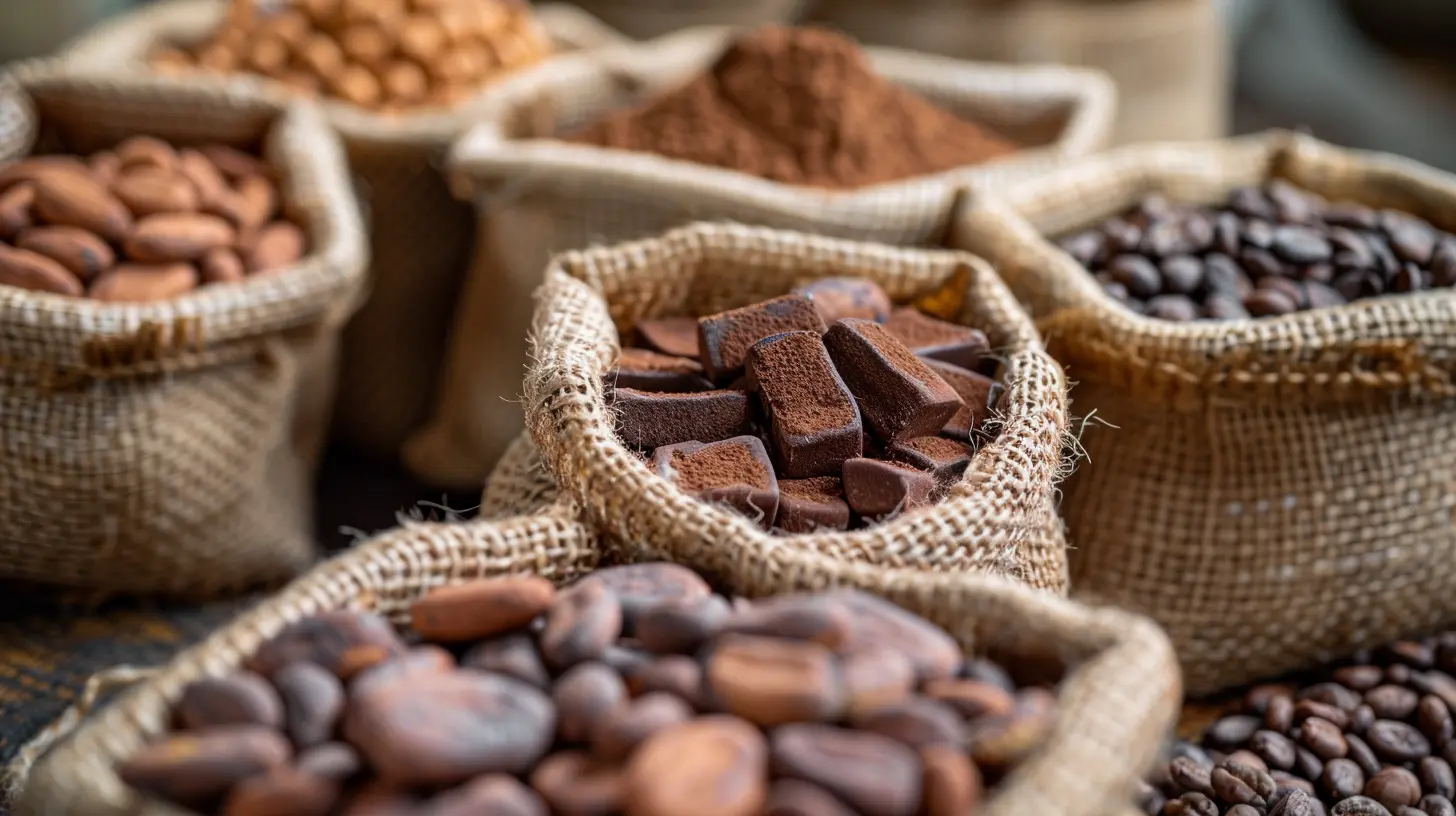
Why Should You Even Consider Commodities?
Good question. Commodities are unique compared to stocks and bonds. Here’s why they might deserve a spot in your investment portfolio:1. Diversification
Ever heard the saying, “Don’t put all your eggs in one basket?” Commodities can be a solid way to spread out your risk. When stocks drop, commodities sometimes hold steady or even rise — especially if the drop is caused by inflation or supply issues.2. Inflation Hedge
Inflation eats into your money, plain and simple. But commodities often rise in value when inflation spikes. Why? Because the prices of raw materials go up — and if you’re holding those raw materials, your investment can increase too.3. High Return Potential
Let’s be honest — commodities can be volatile. But with risk comes the potential for reward. In the right market conditions, commodity prices can skyrocket.
Types of Commodities You Can Invest In
Not all commodities are created equal. They fall into a few major categories:1. Energy
These are things like crude oil, natural gas, gasoline, and heating oil. The energy sector is huge, and prices are influenced by global politics, supply and demand, and even the weather.2. Metals
This includes precious metals like gold, silver, platinum, and industrial metals like copper and aluminum. Gold, especially, is often viewed as a “safe haven” during economic downturns.3. Agricultural
Wheat, corn, soybeans, cocoa, cotton, coffee — you name it. Prices here are heavily influenced by weather conditions, pest outbreaks, and changes in diet trends.4. Livestock and Meat
Think cattle (live and feeder) and lean hogs. This might not be as familiar to most new investors, but it’s a part of the commodities market nonetheless.
Different Ways to Invest in Commodities
Here's the kicker: You don’t need to physically buy a barrel of oil or a sack of soybeans to invest in commodities. (Good thing, right?) There are several easier, more accessible ways:1. Commodity Futures
This is the classic method — and also the riskiest. Futures contracts are agreements to buy or sell a commodity at a set price at a future date. If you’re just starting out, these might be too complex and volatile for your taste.> Think of futures like betting on the price of oil going up or down. You can win big — or lose your shirt.
2. Exchange-Traded Funds (ETFs)
ETFs are like a basket of commodities that you can trade on the stock market. They’re beginner-friendly, easy to buy through a brokerage account, and they let you get in on the action without getting into the nitty-gritty of futures contracts.Popular commodity ETFs include:
- SPDR Gold Shares (GLD)
- Invesco DB Agriculture Fund (DBA)
- United States Oil Fund (USO)
3. Stocks of Commodity Producers
Another indirect route: invest in companies that produce commodities. For example, buying shares of ExxonMobil gets you exposure to oil markets.This method combines the growth potential of the stock market with the underlying value of the commodity.
4. Mutual Funds and Index Funds
Although fewer mutual funds focus purely on commodities, some do offer exposure. They’re professionally managed, which can be a plus if you want someone else to handle the details.5. Physical Commodities (Yes, Really)
If you want to own actual gold bars or silver coins, that’s an option too. But with physical ownership comes storage issues, security concerns, and sometimes additional costs.What Affects Commodity Prices?
To make smart investments, you've got to know what makes prices jump or fall. Commodity markets are influenced by a mix of unpredictable and predictable factors:- Supply and Demand: Basic economics. If demand outpaces supply, prices rise.
- Geopolitical Events: Wars, trade disputes, and political instability can shake up prices — especially in oil.
- Natural Disasters and Weather: A drought can wipe out crops, leading to price spikes.
- Inflation and Interest Rates: Commodities tend to shine when inflation rises.
- Speculation: Traders betting on price movements can cause a ripple effect.
Pros and Cons of Investing in Commodities
Let’s not sugarcoat it—commodities can be a bit wild. Here’s a quick snapshot of what you’re getting into:✅ Pros:
- Inflation protection- Portfolio diversification
- Potential for high returns
- Demand is tied to global growth
❌ Cons:
- High volatility (prices can swing fast)- Complex instruments like futures
- Influenced by unpredictable events
- May require more research and understanding than stocks
Tips For First-Time Commodity Investors
Alright, ready to dip your toes in? Here are some bits of wisdom to keep you from making rookie mistakes:1. Start Small
Don’t go all in on oil futures your first week. Try ETFs or stocks related to commodities to ease into the market.2. Do Your Homework
Recognize what drives the price of the commodity you’re investing in. For example, if you’re eyeing wheat, stay on top of weather updates and crop reports.3. Don’t Chase Trends
Commodity prices can shoot up fast, and FOMO (fear of missing out) is real. But jumping in late can be risky. Stick to your plan.4. Think Long-Term
Commodities may move fast day-to-day, but smart investing is still a marathon, not a sprint.5. Diversify
Don’t just focus on one commodity. Spread your investment across several areas to balance risk.Commodities vs. Stocks: What’s The Difference?
This is where new investors often get confused.| Feature | Commodities | Stocks |
|--------|-------------|--------|
| Ownership | Rights to a physical good (or a contract for it) | Ownership in a company |
| Risk | Often higher due to volatility and leverage | Varies, generally more stable |
| Dividends | No | Yes, in some stocks |
| Influencers | Supply/Demand, weather, geopolitics | Earnings, management, industry trends |
| Portfolio Use | Diversification, inflation hedge | Growth and income |
Both play different roles, and the magic happens when you combine them wisely in your portfolio.
Are Commodities Right for You?
Let’s be honest: commodities aren’t for everyone. They’re exciting and can add serious punch to your portfolio… but they’re not a set-it-and-forget-it kind of investment.Ask yourself:
- Are you comfortable with volatility?
- Do you enjoy following market trends and world events?
- Are you willing to do the research?
If you answered “yes” to those, commodities might just be your next big financial adventure.
Final Thoughts
So, there you go — your beginner’s guide to investing in commodities. The idea isn't to become a commodities tycoon overnight. Start small, learn the ropes, and build from there. Remember, every great investor was a beginner at some point.And hey, the next time someone talks about pork belly futures or gold price swings, you’ll actually know what they’re talking about — and maybe even have a piece of the action.
Happy investing!
all images in this post were generated using AI tools
Category:
InvestmentAuthor:

Caden Robinson
Discussion
rate this article
2 comments
Wade Oliver
Investing in commodities is like juggling flaming pineapples—exciting, a bit risky, and definitely not for the faint-hearted! Just remember, while you’re balancing gold, oil, and corn on your financial tightrope, don’t forget to wear your safety helmet (a.k.a. do your research)!" 🍍🔥💰
March 18, 2026 at 5:09 AM
Caden Robinson
Absolutely! Just like juggling, investing in commodities requires skill and caution. Always do your research to stay safe while navigating the thrill of the market! 🍍💼
Spike McKeehan
Excited to explore how commodities can diversify my investment strategy!
February 17, 2026 at 3:55 AM
Caden Robinson
Thank you! Exploring commodities can be a fantastic way to diversify your portfolio. Enjoy your journey!