Examining the Impact of Global Shipping Delays on the Supply Chain
8 February 2026
Let’s have an honest chat—have you ever wondered why your online order is taking forever to arrive? Or why grocery store shelves seem oddly empty sometimes? You’re not alone. Global shipping delays have become one of the biggest headaches for businesses and consumers alike. It's like the world’s giant conveyor belt is jammed, and we’re all feeling the pinch.
And here's the thing: that slow-moving cargo ship off the coast of some faraway port? It's not just a news headline—it's a domino that sends ripples through the entire global economy. So let’s dig deep and break this down. In this post, we’ll look closely at how shipping delays hit the supply chain, why it matters, and what’s being done about it. Think of it as pulling back the curtain on the complex journey your everyday products take to get to you.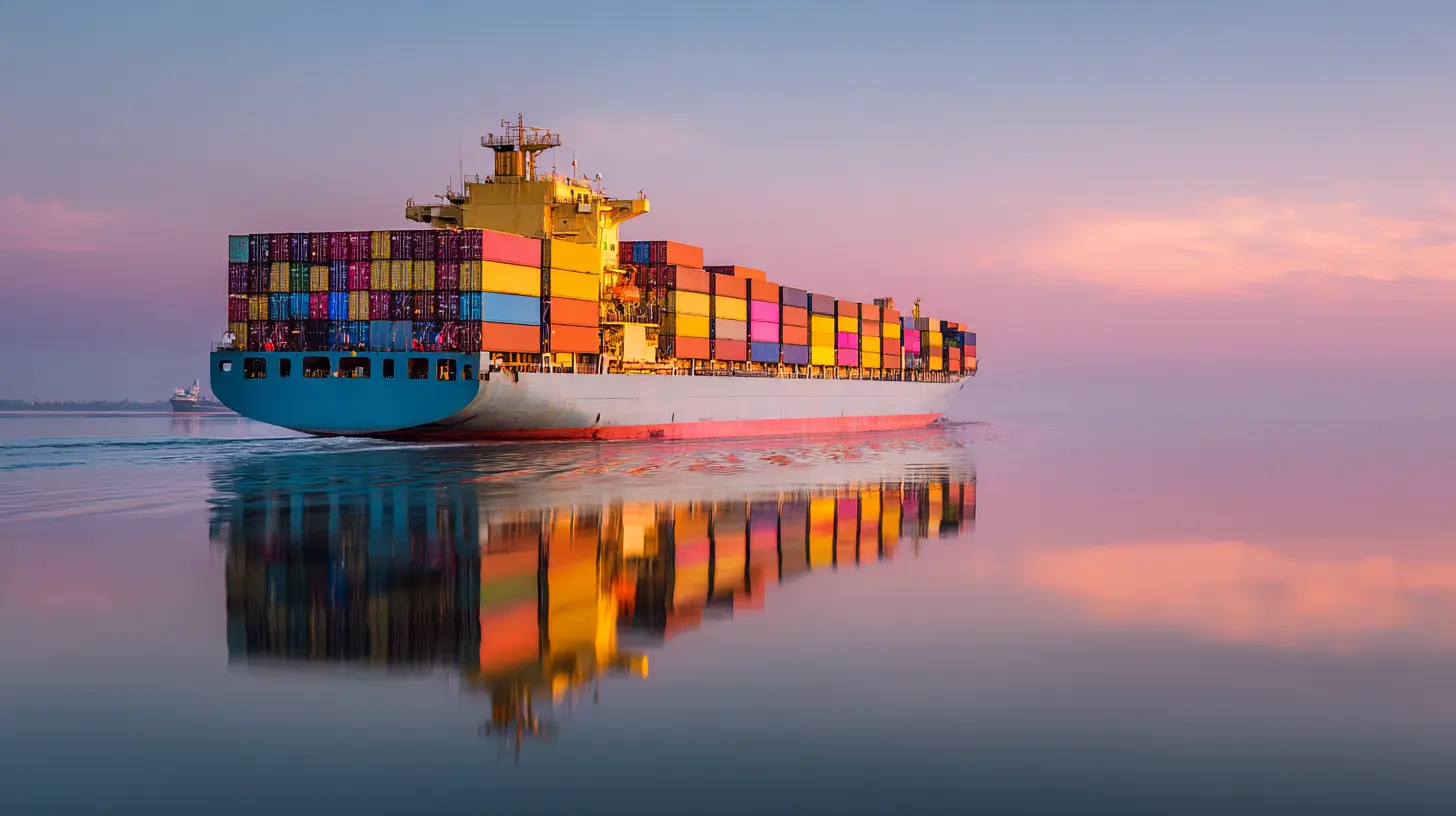
The Global Supply Chain: Why It’s More Fragile Than You Think
First, picture the global supply chain like a sprawling relay race. Every part—manufacturers, shippers, ports, truckers, warehouses—is passing the baton from one to another. But what happens if just one runner stumbles?That’s right, the whole race gets messed up.
The global supply chain isn’t just a logistical marvel—it’s a delicate dance of timing and coordination. And even a small hiccup, like a delayed shipment of microchips or medical supplies, can throw entire industries into chaos. Think car factories shutting down, pharmacies running out of medication, or retailers missing holiday sales. It’s all connected.
Now, imagine when lots of things go wrong at once. That's what we've been living through for the past couple of years.
Why Are Global Shipping Delays Happening in the First Place?
So what’s causing all this mess? It’s tempting to point fingers at COVID-19 and call it a day, but the truth is, it's more complicated than that. Let’s break it down.1. Pandemic Fallout
When COVID-19 came crashing into our lives, it didn’t just shut down cities—it brought industries to a standstill. Ports closed, workers stayed home, and factories paused production. At the same time, demand for goods exploded. Everyone stuck at home wanted new furniture, electronics, home office gear… you name it.This wild mismatch of supply and demand clogged up the system early on—and we're still playing catch-up.
2. Labor Shortages
From port workers to truck drivers, too many key players are missing from action. The labor shortage is global, and it's like trying to run a restaurant with half the kitchen staff. Nothing moves smoothly.3. Port Congestion
Ever seen images of dozens of cargo ships waiting offshore, unable to dock? That’s port congestion. It’s like a traffic jam, but with massive container ships. And each one of those containers might hold thousands of products.When ports are backed up, everything else slows down.
4. Equipment Shortages
You’d think something as basic as shipping containers would be easy to come by—but you’d be wrong. Containers piled up in the wrong parts of the world and didn’t get returned on time. As a result, there weren’t enough to go around when demand surged.No containers = no shipments.
5. Geopolitical Tensions and Disasters
Throw in a few curveballs like Brexit, war in Ukraine, or the Suez Canal blockage, and it becomes a perfect storm. It’s like trying to juggle flaming swords while riding a unicycle. The supply chain barely stands a chance.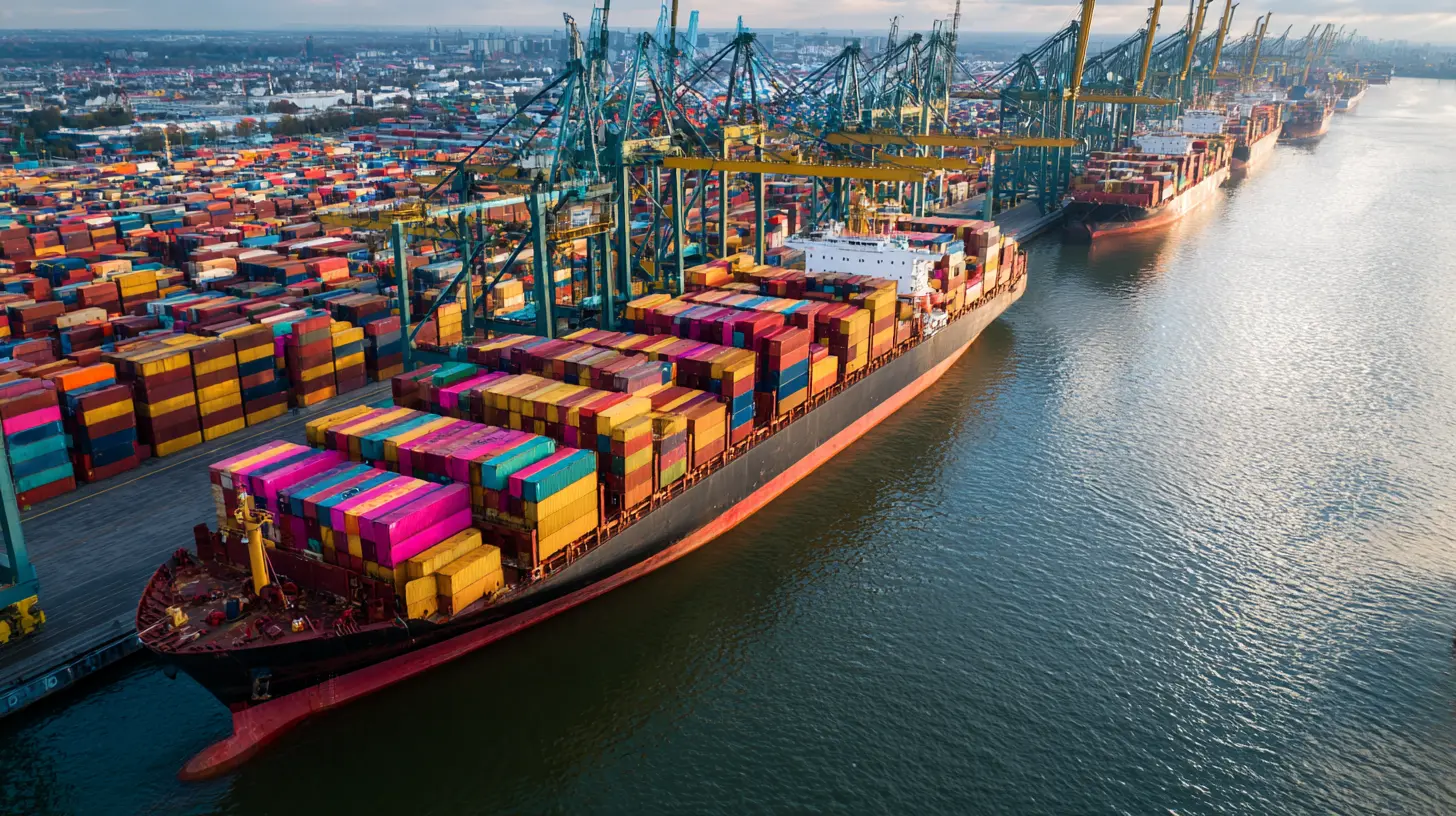
How Shipping Delays Ripple Through the Supply Chain
So now that we know what’s causing the delays, let’s talk about what happens next. The supply chain isn’t just about moving boxes—it’s about timing, trust, and keeping shelves stocked.1. Increased Costs
When goods take longer to arrive, businesses often have to pay more to speed things up—or to store inventory longer. Fuel surcharges, storage fees, and last-minute shipping charges all add up. Guess who ends up footing the bill in the end?Yep. Us.
2. Inventory Shortages
Delayed shipments mean businesses run out of stock more often. For some, that’s a minor inconvenience. For others, like healthcare providers or manufacturers, it can be catastrophic.Imagine a hospital delaying surgeries because a shipment of medical supplies got stuck at sea. Scary, right?
3. Lost Revenue Opportunities
Retailers who rely on specific product launches—like holiday season drops or limited editions—miss out big time when stock doesn’t arrive on time. That’s lost sales and disappointed customers.4. Strained Relationships
Trust and timing are everything in business. When suppliers can’t deliver as promised, it chips away at customer loyalty. Buyers start looking elsewhere, partnerships weaken, and long-standing deals fall apart.5. Operational Paralysis
For manufacturers, delayed components mean assembly lines stop. It's like baking a cake and realizing halfway you’re out of eggs. Production halts, workers stand idle, and deadlines fly out the window.
Real-World Examples: What This Looks Like in Action
Let’s make this real.Automotive Industry
Car manufacturers worldwide have had to slash production because of a global shortage of microchips. With modern vehicles relying heavily on electronics, no chips = no cars. We’ve all seen car prices skyrocket as inventory plummeted.Retail and E-commerce
Remember the 2021 holiday season? Toy shelves were half-empty weeks before Christmas. Retailers were scrambling to get products in via air freight at triple the cost just to keep something—anything—in stock.Food and Beverage
With delays in agricultural product shipments, some stores saw shortages in everything from coffee to baby formula. Farmers had crops rotting while stores had empty shelves. The disconnect is real—and painful.How Businesses Are Adapting
Here’s the good news—resilience is a powerful thing. Many businesses are getting creative to ride out the storm and future-proof their supply chains.1. Diversifying Suppliers
Instead of relying on a single overseas supplier, companies are spreading production across multiple regions. It’s a “don’t put all your eggs in one basket” kind of strategy.2. Nearshoring and Onshoring
Some businesses are moving production closer to home, reducing dependence on unreliable long-haul routes. It’s not always cheaper, but it adds a layer of security.3. Improved Forecasting Tools
New tech tools and AI-powered platforms are helping companies predict demand better and spot disruptions early. The earlier you know there's a problem, the faster you can react.4. Investing in Inventory Buffers
Just-in-time inventory used to be the gold standard. Now, more businesses are keeping “just in case” stock on hand. It costs more, but it prevents lost sales.5. Stronger Communication with Customers
Transparency really helps. Letting customers know about potential delays builds trust. People are surprisingly understanding when you're just honest about what’s going on.What Can Consumers Do?
You might be thinking, “That’s all great for businesses—but what can I do?” Honestly, a lot more than you think.- Plan Ahead: Order items you need earlier than usual, especially around the holidays.
- Be Understanding: Shipping delays aren’t the seller’s fault most of the time.
- Support Local: Buying from local producers means less reliance on international shipping.
- Stay Flexible: Being open to alternatives can help you avoid frustration when your go-to brand is out of stock.
Looking Ahead: The Road to Recovery
So, is there light at the end of the tunnel? Slowly, yes. Ports are becoming more efficient, tech is making logistics smarter, and businesses are building more flexible supply chains. But recovery isn’t instant.Think of it like untangling a giant knot. It takes time, patience, and a whole lot of strategy. Some sectors will bounce back faster than others, but we’re all working through it together.
The key takeaway? Disruptions are here to stay in some form—but with smart planning and innovation, we can build a more resilient global supply chain.
Final Thoughts: It’s All Connected
At the end of the day, global shipping delays aren’t just about packages being late. They touch every part of society—from the economy to your dinner table. This isn’t just a logistics issue; it’s a human one.The pandemic exposed a truth we can’t ignore: our supply chain, for all its sophistication, needs improvement. But it also revealed something else—our ability to adapt, to innovate, and to support each other when things get tough.
So next time your favorite bag of chips is missing from the shelf or your new phone takes an extra two weeks to arrive, just remember—you’re witnessing the ripple effects of a vast, global system learning to get back on its feet.
all images in this post were generated using AI tools
Category:
Supply Chain ManagementAuthor:

Caden Robinson
Discussion
rate this article
2 comments
Selah Kim
Whispers of disruption linger—what lies beneath the surface?
March 6, 2026 at 12:15 PM
Caden Robinson
There are definitely underlying factors at play. The effects of shipping delays ripple through industries, revealing vulnerabilities we often overlook.
Desiree Pace
Global shipping delays: turning supply chains into slow-motion dance parties—who’s leading the cha-cha?
February 8, 2026 at 4:04 AM
Caden Robinson
Thanks for the fun analogy! It's true—global shipping delays have turned logistics into a complex dance, requiring collaboration and adaptability to keep the rhythm going.