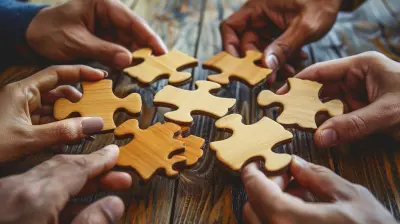
Why Self-Control Will Be Your Superpower by 2027
30 April 2026
Let me ask you something: Have you ever felt like your brain is running a chaotic circus, and you’re just the tired ringmaster barely keeping the lions from eating the popcorn? You’re not alone. In a world that screams for your attention every second—pinging notifications, endless scrolls, and the siren song of instant gratification—self-control feels like a quaint, dusty relic. But here’s the twist: by 2027, self-control won’t just be a virtue; it will be your superpower. Not a cape-and-tights kind of superpower, but the quiet, unshakable force that lets you navigate chaos like a ninja in a library. Let’s dive into why this ancient muscle is about to become the most sought-after skill in the near future.
The Coming Storm: Why 2027 Demands a New Kind of Strength
Picture this: It’s 2027. AI is writing your emails, robots are delivering your groceries, and your smart fridge is judging your midnight snack choices. Sounds futuristic, right? But here’s the kicker—technology is advancing faster than our ability to resist its pull. By 2027, the noise will be deafening. Algorithms will know your deepest desires before you do, and distractions will multiply like rabbits on caffeine. In this environment, self-control becomes your anchor.Why? Because the world is designed to hijack your dopamine system. Every like, every short video, every “you might also like” is a tiny trap. By 2027, these traps will be smarter, more personalized, and harder to resist. The people who can say “no” to the shiny object and “yes” to the long-term goal will stand out like a calm lake in a hurricane. Think of self-control as your personal firewall against the coming storm of overstimulation. It’s not about being boring; it’s about being bulletproof.
The Science of the Superpower: Your Brain’s Hidden Muscle
Let’s get a little nerdy for a moment—but in a fun way. Self-control isn’t magic; it’s biology. Your prefrontal cortex, the part of your brain behind your forehead, is like the CEO of your mind. It handles decision-making, impulse control, and goal-setting. When you exercise self-control, you’re basically giving that CEO a raise and a corner office. By 2027, neuroscience will have shown us even more clearly that self-control is a trainable muscle, not a fixed trait.Here’s the analogy: Imagine your willpower is like a bicep. If you never lift anything heavy, it stays flabby. But if you consistently challenge it—say, by resisting that extra cookie or finishing a task before scrolling Instagram—it grows stronger. By 2027, we’ll have apps and techniques (like mindfulness training and biofeedback) that let you “work out” your self-control like a gym session. The result? A brain that’s wired for resilience. And in a world where everyone else is running on autopilot, that resilience will feel like flying.
The Relatable Struggle: Why We All Fall Short (And Why That’s Okay)
Let’s be real: Self-control is hard. I’ve been there—staring at my phone at 11 p.m., promising myself “just five more minutes” while my bedtime yawns like a patient parent. We all have our kryptonite: sugar, social media, procrastination, or that third cup of coffee when we know it’ll wreck our sleep. The problem isn’t that we lack willpower; it’s that we’re fighting a system designed to break it.But here’s the beautiful truth: You don’t need to be perfect. In fact, the most powerful self-control isn’t about rigid denial; it’s about smart navigation. Think of it like driving a car. You don’t need to avoid all roads; you just need to know when to brake, when to accelerate, and when to take a detour. By 2027, the people who thrive won’t be the ascetics who live on kale and cold showers. They’ll be the ones who understand their weaknesses and build systems around them. For example, if you know you’ll binge-watch Netflix, you don’t fight the urge—you just don’t start the first episode. That’s the superpower: foresight.
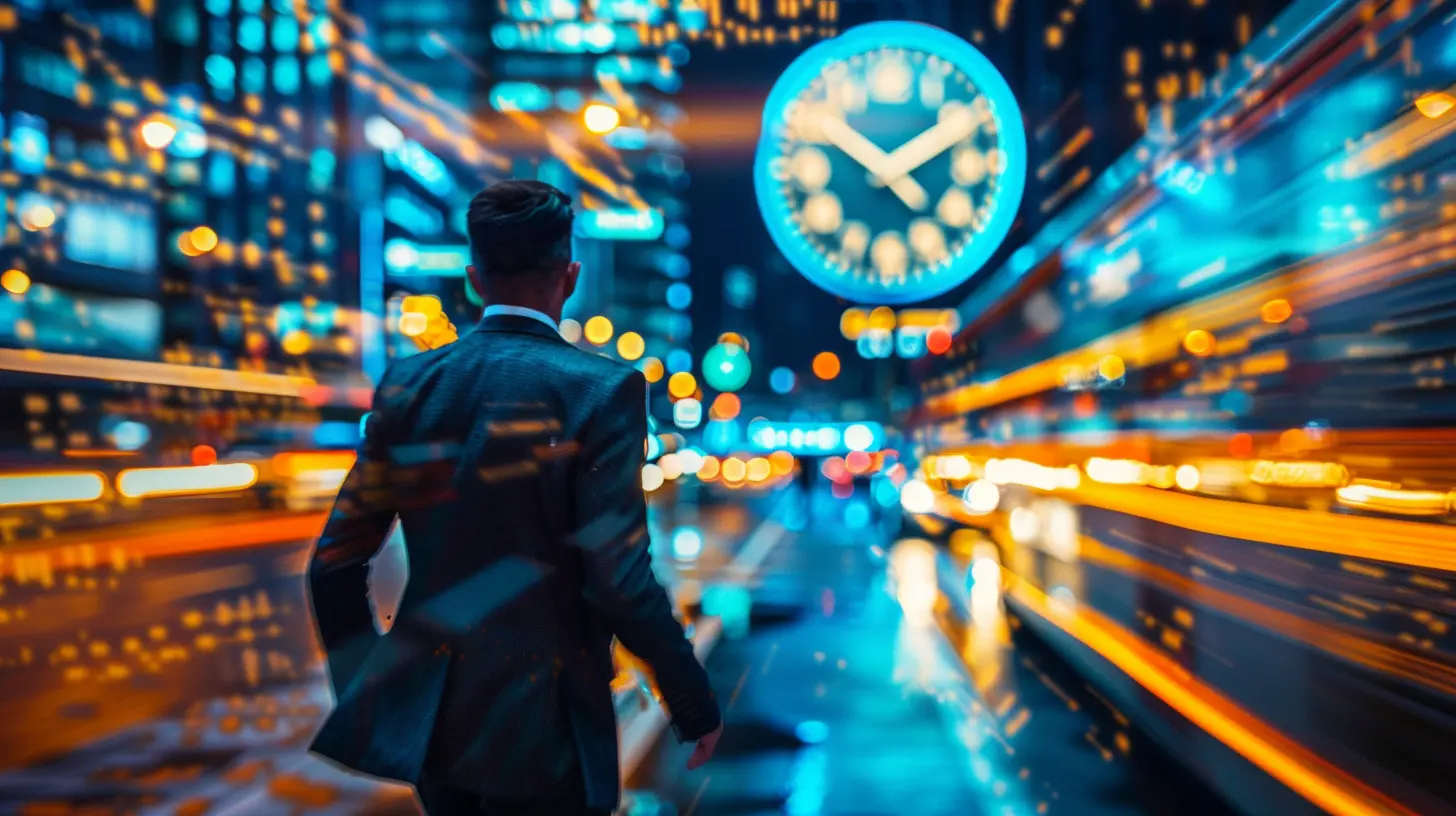
The 2027 Advantage: Self-Control as a Career Booster
Let’s talk money and ambition. By 2027, the job market will be a jungle of automation and remote work. Routine tasks will be handled by bots, but creativity, emotional intelligence, and strategic thinking will be gold. And guess what fuels those skills? Self-control. The ability to focus deeply for hours, resist the temptation to multitask, and stick with a difficult project until it’s done—that’s what will set you apart.Imagine a world where everyone else is jumping from one trend to the next, like frogs on hot stones. You, with your self-control, will be the one who plants a tree, waters it, and waits for it to bear fruit. Employers will pay a premium for people who can delay gratification—because that’s what innovation requires. Think of Steve Jobs, who famously said, “Focus is saying no to a thousand good ideas.” By 2027, that mantra will be your LinkedIn headline. Self-control isn’t just a personal trait; it’s a career superpower that lets you outlast, outthink, and outcreate the competition.
The Social Superpower: How Self-Control Improves Relationships
Here’s a thought: Have you ever regretted a text you sent in anger? Or said something you wish you could take back? That’s self-control—or the lack of it—in action. By 2027, our social lives will be even more digitized, with virtual reality meetups and AI-mediated interactions. The ability to pause before reacting, to choose kindness over impulse, will be a rare and precious skill.Self-control in relationships is like the glue that holds the mosaic together. It’s what lets you listen instead of interrupt, forgive instead of retaliate, and commit instead of wander. In a hyper-connected world, where misunderstandings can go viral in seconds, people who can regulate their emotions will be the ones with deep, authentic connections. Imagine being the friend who doesn’t get swept up in drama, the partner who stays calm during a fight, or the colleague who handles criticism with grace. That’s not boring—that’s magnetic. By 2027, emotional self-control will be the social currency that buys trust, respect, and love.
The Health Revolution: Why Self-Control Will Be Your Body’s Best Friend
Let’s get personal: We all know we should eat better, exercise more, and sleep enough. But knowing and doing are two different planets. By 2027, the health landscape will be flooded with biohacks, supplements, and wearable tech that promise shortcuts. But here’s the secret: No gadget can replace the simple power of self-control.Think of your body as a garden. Self-control is the gardener who pulls the weeds (junk food, late nights, stress) and waters the flowers (exercise, meditation, sleep). By 2027, the people who master this will have a huge advantage. They’ll age slower, think clearer, and bounce back from illness faster. Why? Because self-control reduces inflammation, balances hormones, and strengthens the immune system. It’s not about deprivation—it’s about choosing your future self over your present craving. And when you see your peers struggling with burnout, weight gain, and brain fog, you’ll realize that self-control isn’t a punishment; it’s a gift you give to your body.
The Digital Detox: How Self-Control Tames Technology
Raise your hand if you’ve ever felt like your phone owns you. (I’m raising both hands.) By 2027, technology will be even more immersive—think AR glasses, neural interfaces, and AI that chats with you like a friend. Without self-control, you’ll be a puppet dancing on algorithmic strings.But here’s the twist: Self-control doesn’t mean throwing your devices into a lake. It means using technology as a tool, not a master. Imagine setting intentional boundaries: “I will check email only at 10 a.m. and 3 p.m.” or “I will not scroll social media during meals.” By 2027, we’ll have “digital hygiene” routines just like we brush our teeth. The people who practice this won’t be Luddites; they’ll be the ones who get the most out of tech without losing their souls. Self-control will let you enjoy the benefits of innovation without falling into the rabbit hole. And that’s a superpower worth having.
The Financial Superpower: Saving Your Future Self from Debt
Let’s talk money—because self-control and finance are best friends. By 2027, the economy will be volatile, with crypto, NFTs, and AI-driven markets creating both opportunities and pitfalls. The ability to save, invest wisely, and avoid impulse purchases will be a lifesaver.Think of self-control as your financial compass. It’s what helps you say “no” to that shiny new gadget today so you can say “yes” to a house or a retirement fund tomorrow. In a world where credit is easy and advertising is hypnotic, the people who can delay gratification will build wealth slowly but surely. Imagine looking back in 2027 and realizing that every time you skipped a latte or resisted a sale, you were actually buying freedom. Self-control isn’t about being cheap; it’s about being strategic. It’s the superpower that turns small daily choices into a mountain of security.
The Myth of Motivation: Why Self-Control Beats Willpower Every Time
Here’s a common misconception: Self-control is all about raw willpower—grinding your teeth and white-knuckling through temptation. But that’s exhausting and unsustainable. By 2027, we’ll understand that self-control is more about environment design than heroic effort.Let me explain with an analogy: Willpower is like a sprint; self-control is like building a road. If you want to eat healthier, you don’t just rely on willpower to resist the cookie jar—you move the cookie jar to the garage. If you want to focus, you don’t fight your phone—you put it in another room. By 2027, the most successful people will be masters of “choice architecture.” They’ll set up their lives so that the right decisions are easy and the wrong ones are hard. This isn’t cheating; it’s being smart. Self-control becomes a superpower when you stop fighting the current and start redirecting it.
The Emotional Superpower: How Self-Control Reduces Anxiety
Let me ask you: Do you ever feel like your emotions are driving the bus, and you’re just a passenger? Anxiety, anger, and frustration can hijack your day. By 2027, stress levels will likely be higher due to information overload and global uncertainty. But self-control gives you the ability to pause and choose your response.Imagine you’re in a heated argument. Without self-control, you react instantly—maybe yelling, maybe shutting down. With self-control, you take a breath, step back, and say, “Let me think about that.” That pause is your superpower. It lets you respond instead of react, and it lowers your cortisol levels. By 2027, mindfulness and emotional regulation will be as common as gym memberships. The people who practice self-control will have lower anxiety, better sleep, and a greater sense of inner peace. It’s not about suppressing emotions; it’s about channeling them like a river instead of a flood.
The Creativity Superpower: Why Discipline Fuels Innovation
Here’s a paradox: Self-control sounds restrictive, but it actually unlocks creativity. Think of a musician who practices scales every day—that discipline is what lets them improvise beautifully on stage. By 2027, creativity will be in high demand, but it won’t come from chaos. It comes from focused effort.When you have self-control, you can sit down and write, paint, or code even when you don’t feel inspired. You can push through the “messy middle” of a project. By 2027, the most innovative people won’t be the ones waiting for lightning to strike; they’ll be the ones who show up every day and chip away at the marble. Self-control is the chisel that turns a block of stone into a masterpiece. It’s the superpower that lets you turn daydreams into reality.
How to Build Your Superpower: Practical Steps for 2027
Okay, so you’re convinced that self-control is the future. But how do you actually build it? Here are some simple, human-friendly strategies:1. Start small: Don’t try to overhaul your life overnight. Pick one thing—like drinking water instead of soda—and master it. Small wins build momentum.
2. Use the “10-minute rule”: When you feel a craving, wait 10 minutes. Most urges pass like a cloud. This gives your prefrontal cortex time to catch up.
3. Design your environment: Make good choices easy. If you want to read more, put a book on your pillow. If you want to exercise, lay out your shoes the night before.
4. Practice mindfulness: Even 5 minutes of meditation a day strengthens your self-control muscle. It’s like doing a bicep curl for your brain.
5. Forgive yourself: If you slip up, don’t spiral. Self-control is a journey, not a perfection. Tomorrow is a new chance.
By 2027, these habits will be second nature. You won’t need to “try” hard; you’ll just live in a way that naturally leads to better outcomes.
The Ripple Effect: How Your Superpower Inspires Others
Here’s the beautiful part: Self-control isn’t just for you. When you master it, you become a beacon for others. Your friends, family, and colleagues will notice your calm, your focus, your kindness. They’ll ask, “How do you do it?” And you can share your secret.By 2027, the world will need more people like that—people who can stay grounded when everything spins. Your self-control will create a ripple effect, inspiring others to build their own superpowers. Imagine a community where everyone is a little more patient, a little more deliberate, a little more compassionate. That’s not just personal growth; that’s a revolution.
Conclusion: The Superpower That’s Already Inside You
So, here we are. 2027 isn’t that far away. The future isn’t about flying cars or robot butlers; it’s about the quiet, powerful choice to be the master of your own mind. Self-control isn’t a punishment or a limitation—it’s the ultimate freedom. It’s the ability to say “yes” to what truly matters and “no” to what doesn’t.Think of it this way: You already have the spark. Every time you chose to study instead of party, or to save instead of spend, you were using your superpower. Now it’s time to hone it. By 2027, the world will be faster, louder, and more tempting than ever. But you’ll be ready. You’ll be the person who walks through the storm with an umbrella, not because you’re lucky, but because you built it.
So, what do you say? Ready to become a superhero? The cape is optional, but the self-control is mandatory. Let’s make 2027 the year you unlock your true power.
all images in this post were generated using AI tools
Category:
Self DisciplineAuthor:
Caden Robinson
Discussion
rate this article
1 comments
Summer Webster
Interesting foresight. Self-control's value will definitely rise as AI automates impulsivity, making discipline a key differentiator.
April 30, 2026 at 3:21 AM
Caden Robinson
Thanks for your comment! I agree, self-control will be crucial as we navigate an increasingly automated world.