Why Preparation is Key to Successful Negotiations
24 March 2026
Let’s face it—negotiations can be nerve-wracking. Whether you're hashing out a multi-million-dollar deal, trying to land a raise, or even deciding where to eat with friends, negotiation is a part of everyday life. But what separates a fruitful negotiation from a frustrating one? One word: preparation.
You see, negotiation isn't just about being persuasive or having a silver tongue. It's about showing up ready—knowing your facts, understanding the people involved, and having a clear plan. Want to walk into your next negotiation with confidence and walk out with results? Then keep reading, because preparation isn't just important—it's essential.
What Does "Preparation" Really Mean in a Negotiation?
Let’s break it down. Preparing for a negotiation isn't just reviewing talking points 10 minutes before the meeting. It's a strategic process. Think of it like preparing for battle—not in a hostile way, but in a way where you want to be the smartest, most composed person in the room.Preparation covers everything from understanding your goals and the other party’s priorities to researching data and rehearsing tactics. It’s mental, emotional, logistical, and tactical. And when done right? It gives you the upper hand before the conversation even starts.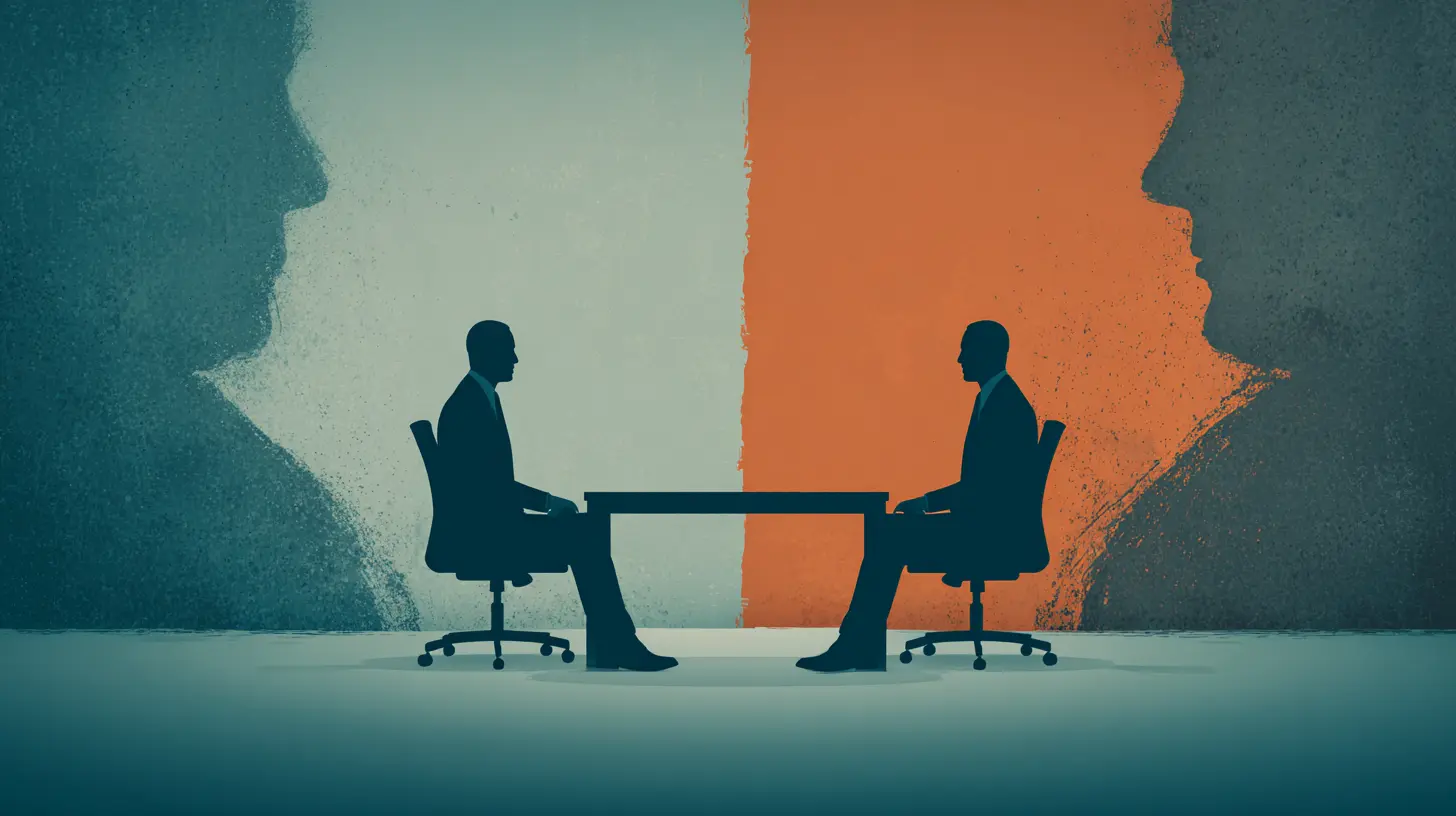
The Psychology Behind Why Preparation Works
Here’s the thing—negotiation is as much a mental game as it is a verbal one. When you walk into a room prepared, your confidence skyrockets. That confidence? It's contagious. People are more likely to agree with someone who sounds sure of themselves.Plus, being prepared reduces stress. You’re not scrambling for answers or second-guessing yourself. Instead, you're in control. And in negotiation, control is everything.
Ever heard the phrase “knowledge is power”? That's never truer than in negotiation. Preparation gives you knowledge—of the topic, the person across from you, and the possible outcomes.
Benefits of Being Prepared Before a Negotiation
1. You Define Your Objectives Clearly
You need to know what you want before you sit down to negotiate. It sounds simple, but so many people skip this step. When you’re prepared, you're not just winging it. You come in knowing your must-haves, your nice-to-haves, and your deal-breakers.That clarity helps you avoid being swayed by offers that sound good but don’t meet your goals.
2. You Understand the Other Party Better
A big part of preparation is researching the other side. What do they want? What are their constraints? What motivates them?When you understand their position, you can frame your offers in ways that appeal to them. It's not manipulation—it’s alignment. You’re making it easier for them to say "yes" by speaking their language.
3. You Anticipate Counterarguments
Ever been blindsided in a conversation? It's not fun. If you're prepared, you’ll have already thought through objections and planned your responses. That kind of readiness shows professionalism and makes you hard to catch off guard.It's like playing chess. The best players don't just think about their next move—they think three steps ahead.
4. You Strengthen Your Leverage
In negotiations, leverage is everything. When you’ve done your homework, you know where you stand—and where they stand. Maybe you’ve got competing offers on the table. Maybe you know their timeline is tight. Knowing this puts you in a stronger position to negotiate favorable terms.5. You Stay Flexible and Creative
Ironically, preparation actually helps you be more flexible. Why? Because you’re not stuck in panic mode. Instead of scrambling in the moment, you have mental bandwidth to think creatively. If Plan A doesn't work, you already have a Plan B—and maybe even a Plan C.
What Happens When You Don’t Prepare?
Let’s look at the flip side. Walking into a negotiation unprepared is like walking into a storm without an umbrella—you're going to get soaked.You may:
- Agree to unfavorable terms.
- Miss key opportunities.
- Appear unprofessional or uninterested.
- Freeze up under pressure.
- Lose trust or credibility.
Can you recover from a poor negotiation? Sure. But it's a lot harder than just preparing in the first place.
The Anatomy of a Well-Prepared Negotiator
Alright, so what does a well-prepared negotiator actually look like? Here’s a quick checklist to help you recognize (or become) one:- They do their research – on the person, the business, and the industry climate.
- They know their numbers – costs, budgets, market rates, etc.
- They’ve set clear goals – with flexibility for compromise if needed.
- They’ve prepped talking points – and practiced delivering them clearly.
- They anticipate the other side’s strategy – and have counterpoints ready.
- They maintain calm and professionalism – no matter the outcome.
You don't need to be the smartest person in the room—you just need to be the most prepared.
Practical Ways to Prepare for Any Negotiation
Wondering how to actually prepare? Let’s make it practical. No fluff—just actionable steps you can take before your next negotiation.Know Your BATNA
BATNA stands for “Best Alternative to a Negotiated Agreement.” In plain English? It’s your backup plan. If this negotiation falls through, what’s your next best move?Knowing your BATNA gives you control. It shows you whether it's worth pushing harder or walking away. And you’ll know the limits of what you can accept.
Dig into Research
Use every tool at your disposal: LinkedIn, company websites, market reports, customer reviews—whatever it takes. The more you know, the better positioned you are to find common ground and spot leverage points.Create Your Negotiation Map
Write down:- Your ideal outcome.
- Your minimum acceptable terms.
- Questions you want to ask.
- Things you’re willing to compromise on.
This map keeps you focused and prevents you from getting sidetracked by emotion.
Rehearse (But Don’t Memorize)
Practice makes progress. Rehearse with a colleague, a friend, or even in front of a mirror. But don’t turn it into a script. You’re having a conversation, not reciting lines.Get in the Right Mindset
Negotiation is part strategy, part psychology. So take care of your mental state. Get a good night’s sleep, grab a coffee, breathe. If you walk in feeling calm and focused, it sets the tone.Real-World Example: Preparation Winning the Game
Let’s take a real-world example. Imagine two entrepreneurs pitching to a VC firm. One walks in with a flashy deck but can’t answer basic questions about the market. The other, while less charismatic, has detailed financial projections, customer insights, and clear growth plans.Who’s getting the funding?
Exactly.
Preparation might not always be the sexiest part of negotiation, but it’s often the most decisive.
Negotiating Doesn’t Have to Be Scary
Honestly? Negotiating isn’t some high-stakes poker game where someone has to lose. Think of it more like a dance. Preparation helps you find the rhythm, avoid stepping on toes, and maybe even impress your dance partner along the way.Everyone wins when both sides feel heard, respected, and satisfied with the outcome. And that only happens when you come in prepared.
The Bottom Line: Preparation Pays Off
There’s no shortcut to negotiation success—no magical script or secret phrase that closes every deal. But if there’s one thing you can control, it’s how you prepare.Taking the time to get your ducks in a row gives you more power, more peace of mind, and more potential for success. So slow down, put the work in, and watch how it transforms your negotiation game.
Being prepared isn’t just about stacking the odds in your favor—it’s about respecting your time, your goals, and the people you’re negotiating with.
Now, are you ready to shake some hands and seal some deals?
all images in this post were generated using AI tools
Category:
NegotiationAuthor:

Caden Robinson
Discussion
rate this article
2 comments
Melody McSweeney
Great insights! Preparation truly makes all the difference in achieving successful negotiations. Keep it up!
April 13, 2026 at 11:20 AM
Caden Robinson
Thank you! I appreciate your feedback and completely agree—preparation is essential for successful negotiations!
Caden Griffin
Oh sure, just wing it! Who needs preparation when you can rely on charm and a sprinkle of luck? It’s not like successful negotiations require any skills or strategy—just throw in a smile and hope for the best! Good luck!
March 24, 2026 at 3:42 AM
Caden Robinson
Thanks for your comment! While charm can help, thorough preparation is what truly empowers effective negotiation.