Using ETFs to Build a Balanced Investment Portfolio
12 March 2026
When it comes to investing, there's a quote that rings true: "Don’t put all your eggs in one basket." But let’s be real — figuring out how to actually spread those eggs around can feel like trying to solve a Rubik’s cube blindfolded. That’s where ETFs come in. Think of them as your investment Swiss Army knife — versatile, sharp, and super handy.
Whether you're just dipping your toes into the investing pool or you've been swimming laps for a while, ETFs (Exchange-Traded Funds) can give your portfolio the balance and flexibility it needs without giving you a financial headache.
In this article, we’re going to break it all down in a super simple, clear way — no Wall Street jargon, no riddles — just good old-fashioned money talk. Let’s dive into how you can use ETFs to build a strong, balanced investment portfolio you’ll feel truly confident about.
What Exactly Is an ETF?
First things first — what’s the deal with ETFs?An ETF is a type of investment fund that’s traded on stock exchanges, kind of like a stock itself. But here’s the twist: instead of investing in just one company, like you would with a share of Apple or Amazon, you’re investing in a basket of assets — which could include stocks, bonds, commodities, or a mix of all three.
So, when you buy an ETF, you get a taste of a whole sector or investment strategy, not just a single flavor. It’s like ordering a sampler platter instead of committing to just one dish.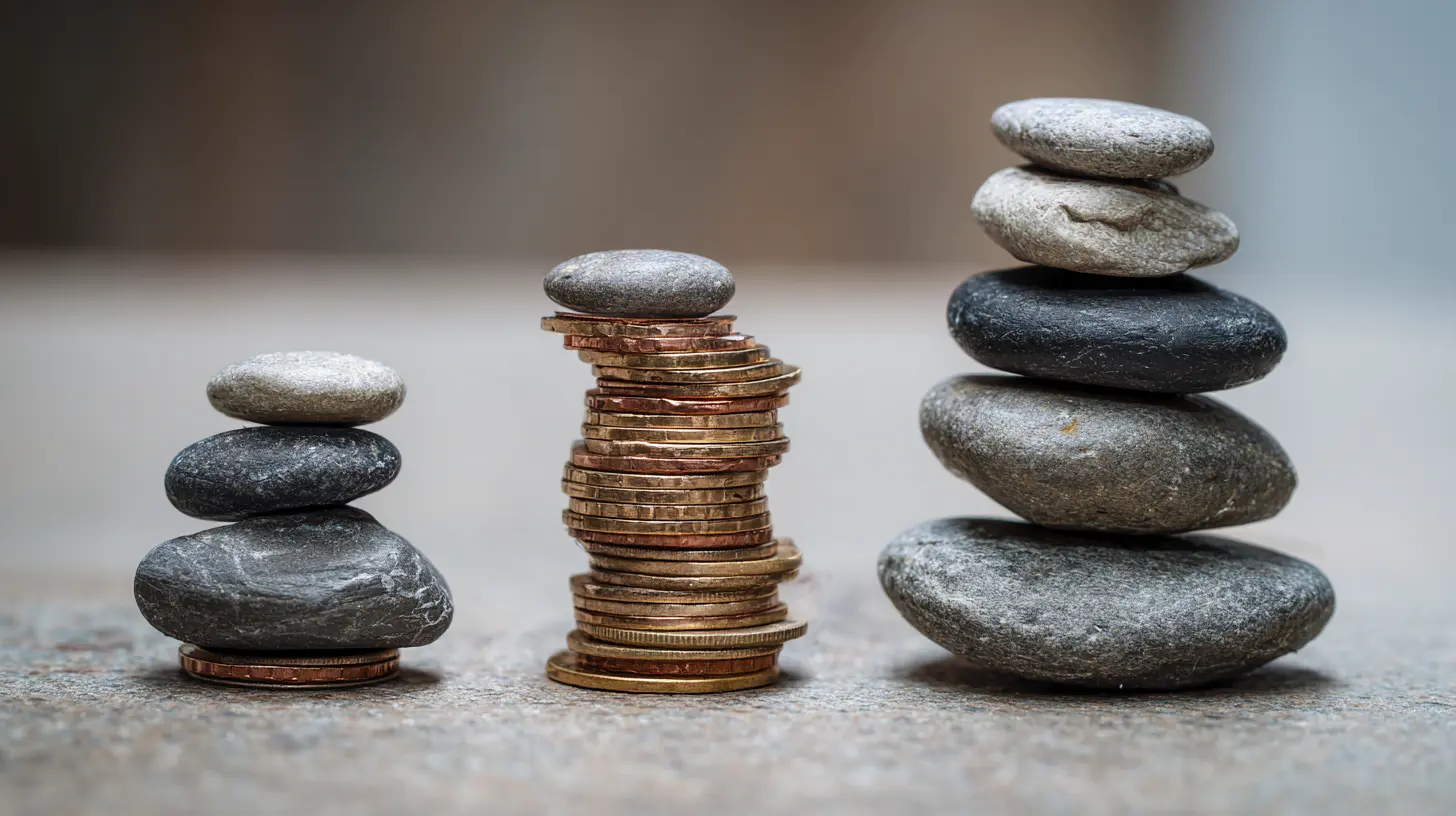
Why People (Like You and Me) Love ETFs
There’s a reason why ETFs have become so popular — actually, quite a few reasons:1. Diversification on a Dime
You don’t need to be rolling in cash to be well-diversified. ETFs give you access to a wide range of assets with just a single purchase. That’s a big deal because diversification is like body armor for your portfolio — it helps reduce risk if one part of the market takes a hit.2. Low Fees, Big Wins
ETFs usually have lower expense ratios compared to mutual funds. Translation? You keep more of your hard-earned money. Even a fraction of a percent in fees can add up over time — think compound interest, but in reverse.3. Easy to Buy and Sell
ETFs trade just like stocks. You can buy them during market hours, watch their price change in real-time, and sell them whenever you please. It's hands-on investing, made easy.4. Transparency
Most ETFs list their holdings publicly on a daily basis. You’ll always know exactly what you’re investing in — no secrets, no surprises.
Building a Balanced Investment Portfolio With ETFs
Alright, so now that we know ETFs are awesome (they really are), let’s talk about how to use them to build a balanced portfolio. Think of your portfolio like a pizza. You want the right ingredients in the right proportions — too much cheese and it’s too greasy; too much sauce and it’s soggy.A balanced portfolio blends growth, stability, and income. Here’s how to get there using ETFs.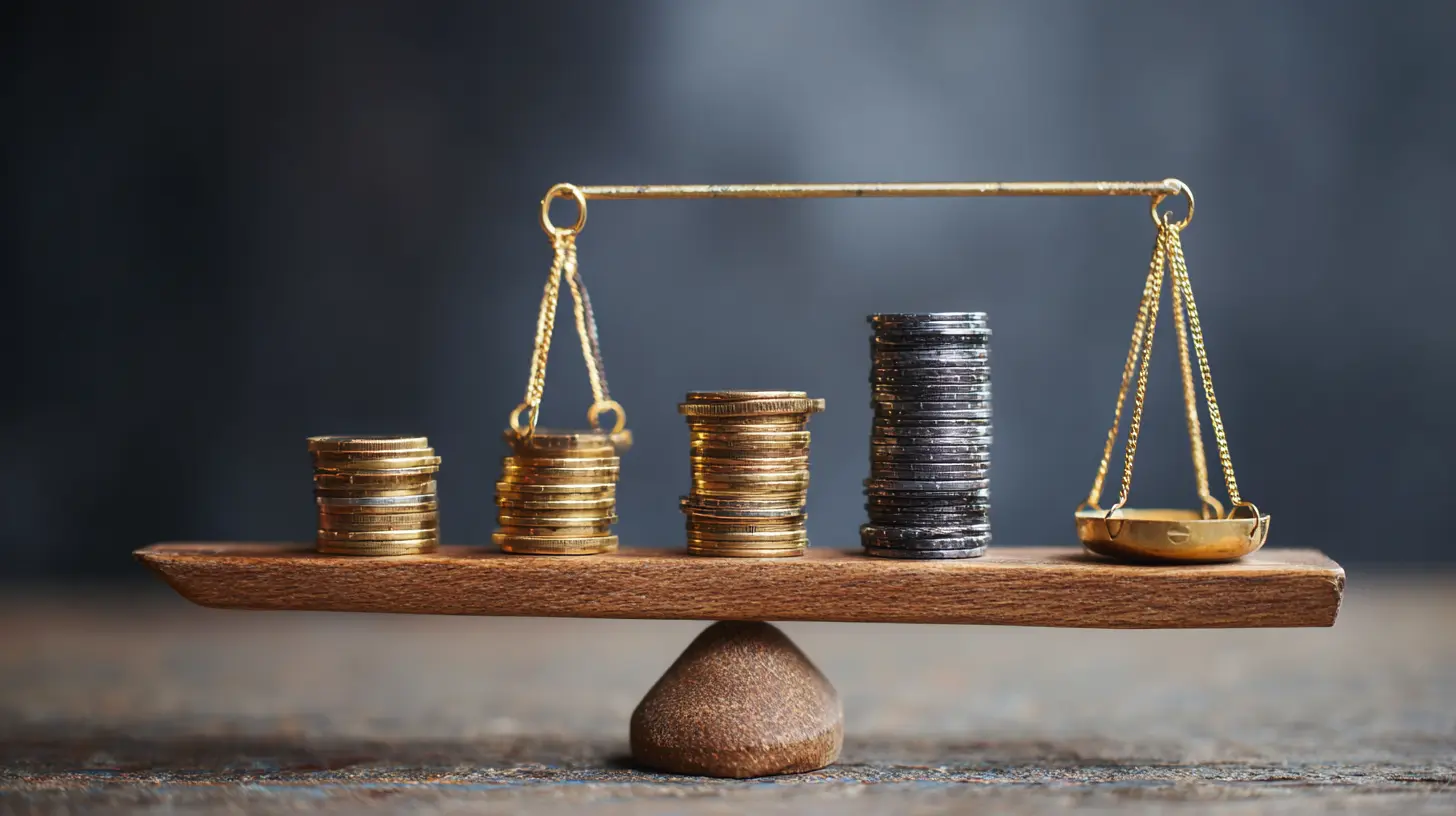
1. Start With the Core: Stocks and Bonds
If you're building from the ground up, your core ingredients are usually stock ETFs and bond ETFs. Here's the breakdown:🟢 Stock ETFs for Growth
Stock ETFs represent ownership in companies, which historically have the highest returns over the long run — but also the most volatility. That means they may experience more ups and downs.- Total Market ETFs: These cover the entire stock market across large, mid, and small-cap companies (e.g., VTI or ITOT).
- S&P 500 ETFs: These focus on the 500 largest U.S. companies (e.g., SPY or IVV).
- International ETFs: Helps diversify outside of the U.S. (e.g., VXUS or VEA).
- Sector ETFs: Want to target technology, healthcare, or renewable energy? Sector ETFs got you.
🔵 Bond ETFs for Stability
Bonds are like your portfolio’s seatbelt. They don’t offer wild returns, but they help smooth the ride.- Government Bond ETFs: Think steady and reliable — like U.S. Treasury bonds (e.g., TLT or IEF).
- Corporate Bond ETFs: A little more risk, but better yields.
- Municipal Bond ETFs: Great for tax advantages, especially if you’re in a high tax bracket.
The ratio of stocks to bonds depends on your age, goals, and risk tolerance. A classic rule of thumb? Subtract your age from 100 and use that number as your stock percentage. (So, a 30-year-old might go 70% stocks, 30% bonds.)
2. Add Some Flavor: Thematic and Niche ETFs
Want to spice things up? Thematic and sector-specific ETFs can add flavor and excitement to your portfolio.These are ETFs that focus on specific trends or industries:
- Green Energy ETFs (like ICLN)
- Cybersecurity ETFs (like HACK)
- Artificial Intelligence ETFs (like BOTZ)
Just be careful — niche ETFs can be volatile, and you don’t want your entire portfolio riding on one trend. Think of these like hot sauce — a little can add a kick, but too much can burn.
3. Don’t Forget About REIT ETFs
Real Estate Investment Trusts (REITs) are companies that own income-producing real estate. And yes, you can buy them through ETFs.REIT ETFs offer a sweet combo of diversification, passive income (they pay dividends), and inflation protection.
Popular ones? VNQ or SCHH.
Including REIT ETFs in your portfolio helps diversify beyond stocks and bonds and adds an income stream. It's like adding a side hustle to your investment life.
4. Global Diversification: Think Beyond Your Backyard
Many investors make the mistake of only investing in their home country. But the world is a big place, and international ETFs let you tap into that.You can go broad, like:
- Total International Market ETFs (e.g., VXUS)
Or more targeted, like:
- Emerging Markets ETFs (e.g., VWO or EEM)
- Europe or Asia ETFs (e.g., FEZ for Europe, EWJ for Japan)
Global diversification helps reduce your exposure to the economic risks of a single country — it's just smart investing.
5. Automatic Rebalancing and Smart Portfolios
Here’s a cool tip: You don’t always need to micromanage your portfolio.There are ETFs called "balanced" or "target-date" ETFs that automatically adjust over time. These funds will slowly shift from riskier assets (like stocks) to safer ones (like bonds) as you get closer to retirement.
Also, robo-advisors like Betterment or Wealthfront use ETFs to build and automatically rebalance your portfolio based on your risk tolerance and goals. So if you're hands-off — this might be your move.
6. Dollar-Cost Averaging With ETFs
Let’s be real: Timing the market is like trying to predict the weather with a crystal ball — a lot of guesswork, little accuracy.Enter dollar-cost averaging (DCA). It means you’re investing a fixed amount regularly (say, monthly) into your ETF of choice. Sometimes you’ll buy when the market’s high, sometimes when it’s low — but over time, it averages out.
This method takes emotion out of the equation and helps you stay consistent, which is key in long-term investing.
Common Mistakes to Avoid
Okay, this wouldn’t be a real talk on investing without some watch-outs.Here are a few common ETF snafus to steer clear of:
- Over-diversifying: Yes, it’s a thing. If you own 50 ETFs, you’re probably just duplicating assets.
- Ignoring Expense Ratios: Not all low-cost ETFs are created equal. Check the fees.
- Chasing Trends: That shiny new ETF everyone’s raving about? Might not be a sound long-term plan.
- Neglecting Rebalancing: Your portfolio won’t stay balanced on its own. Set a schedule to revisit and adjust.
The Bottom Line: Easy, Affordable, Smart
So, here’s the big takeaway: ETFs are one of the simplest, most effective tools for building a balanced investment portfolio. They're perfect for beginners, great for seasoned investors, and flexible enough for just about any strategy.You don’t need to be a financial wizard or have a Wall Street resume. All you need is a game plan, some patience, and a few good ETF choices to get started.
The best time to plant a tree was 20 years ago. The second best time? Today. The same goes for investing.
So why wait? Your future self will thank you.
Quick Sample Portfolio (Just to Paint a Picture)
Here's a hypothetical example for someone in their 30s with moderate risk tolerance:- 40% Total U.S. Stock Market ETF (VTI)
- 20% Total International ETF (VXUS)
- 20% U.S. Bond ETF (BND)
- 10% REIT ETF (VNQ)
- 10% Thematic ETF (Green Energy) (ICLN)
Boom — that’s diversification, balance, and growth all in one basket.
Final Thoughts
ETFs have completely changed the game. With just a few clicks, you can own a slice of hundreds — even thousands — of companies, all while controlling your risk and cutting down on fees.If you're sitting on the fence, this might be your sign. Start small, stay consistent, and keep learning. Building wealth isn't about getting rich quick — it's about being smart with your choices today so you can enjoy freedom tomorrow.
Cheers to building your balanced portfolio, one ETF at a time.
all images in this post were generated using AI tools
Category:
InvestmentAuthor:

Caden Robinson
Discussion
rate this article
2 comments
Noelle Phelps
Empower your financial future! ETFs offer flexibility and balance for smart investment strategies.
April 11, 2026 at 2:34 AM
Caden Robinson
Thanks for your comment! ETFs really do provide great options for building a diverse and balanced portfolio.
Romina McAdoo
Thank you for this insightful article! The strategies discussed for incorporating ETFs into a balanced investment portfolio are both practical and informative. I look forward to applying these concepts to my investment approach!
March 12, 2026 at 12:55 PM
Caden Robinson
Thank you for your kind words! I'm glad you found the article helpful and practical. Best of luck with your investment strategy!