Unlocking the Power of Predictive Analytics for Business Growth
14 January 2026
Let’s face it—staying ahead in today’s fast-paced business world is no easy feat. Every business owner, manager, or entrepreneur is looking for that magic key to unlock growth and outsmart competitors. Spoiler alert: there’s no magic involved. However, there is a data-driven powerhouse that can give your business a crystal ball-like advantage—predictive analytics.
Now, before you roll your eyes and think, “Oh great, another buzzword,” hang on. We’re not here for fluff. By the time you finish this, you’ll understand what predictive analytics is, why it’s so powerful, and how it can help your business soar. So, grab a coffee and let’s dive in.
What Is Predictive Analytics? (And Why Should You Care?)
Picture this: You’re planning a road trip. Instead of randomly choosing routes, you check Google Maps for traffic updates, shortest paths, and even anticipated delays. That’s predictive analytics in action—using existing data to forecast what’s likely to happen next.In the business world, predictive analytics is like having a GPS for decision-making. It helps you predict future trends, behaviors, and outcomes based on historical data. Using tools like machine learning, statistical algorithms, and data mining, predictive analytics doesn’t just look at what has happened; it tells you what’s likely to happen. Sounds like a superpower, right?
Why Predictive Analytics Matters for Business Growth
Let’s cut to the chase: businesses that use predictive analytics win. It’s that simple. Why? Because they make smarter decisions, spot opportunities early, and avoid costly mistakes. Think of predictive analytics as the difference between shooting darts in the dark and having a laser-precision aim.Here are some key reasons why this matters for growth:
1. Smarter Customer Insights
Wouldn’t it be amazing if you could predict what a customer wants before they even say it? Predictive analytics takes customer data (think purchase history, browsing behavior, and demographics) and uncovers patterns to forecast future behavior.For example, e-commerce giants like Amazon use predictive analytics to recommend products. You know those “You might also like” suggestions? That’s not magic—it’s data science.
2. Optimized Marketing Campaigns
Let’s be real: throwing money at random marketing strategies and hoping for results is a terrible plan. With predictive analytics, you can figure out which audience segments are most likely to convert, when they’ll buy, and what messaging works best. It’s like having a crystal ball for marketing ROI.3. Reduced Risk
Every business decision comes with risks. Whether it’s lending money, launching a product, or entering a new market, things can go south fast. Predictive analytics mitigates this by highlighting potential pitfalls. For example, banks use it to assess loan applicants’ creditworthiness.4. Streamlined Operations
Efficiency isn’t just a buzzword—it’s critical for growth. Predictive analytics can forecast inventory demand, optimize supply chains, and even prevent equipment failures. This means less waste, fewer delays, and happier customers.
How Does Predictive Analytics Actually Work?
Alright, so predictive analytics sounds amazing, but let’s break down how it actually works. Don’t worry—this isn’t a technical deep dive; no PhD in data science required.1. Data Collection
First things first: predictive analytics needs data, and lots of it. This could be customer transactions, website clicks, social media interactions, or even sensor readings from machines.2. Data Cleaning
Let’s call this the Marie Kondo stage. Raw data can be messy and full of errors. Cleaning ensures the data is accurate, relevant, and ready for analysis.3. Model Building
Here’s where the magic starts to happen. Data scientists build algorithms (often using AI and machine learning) to identify patterns and predict future outcomes.4. Validation
Before you can trust a predictive model, it needs to be tested. This ensures the predictions are reliable and accurate.5. Implementation
Once the model is ready, it’s go time! Businesses use the insights to make decisions, whether it’s targeting customers, managing inventory, or predicting sales.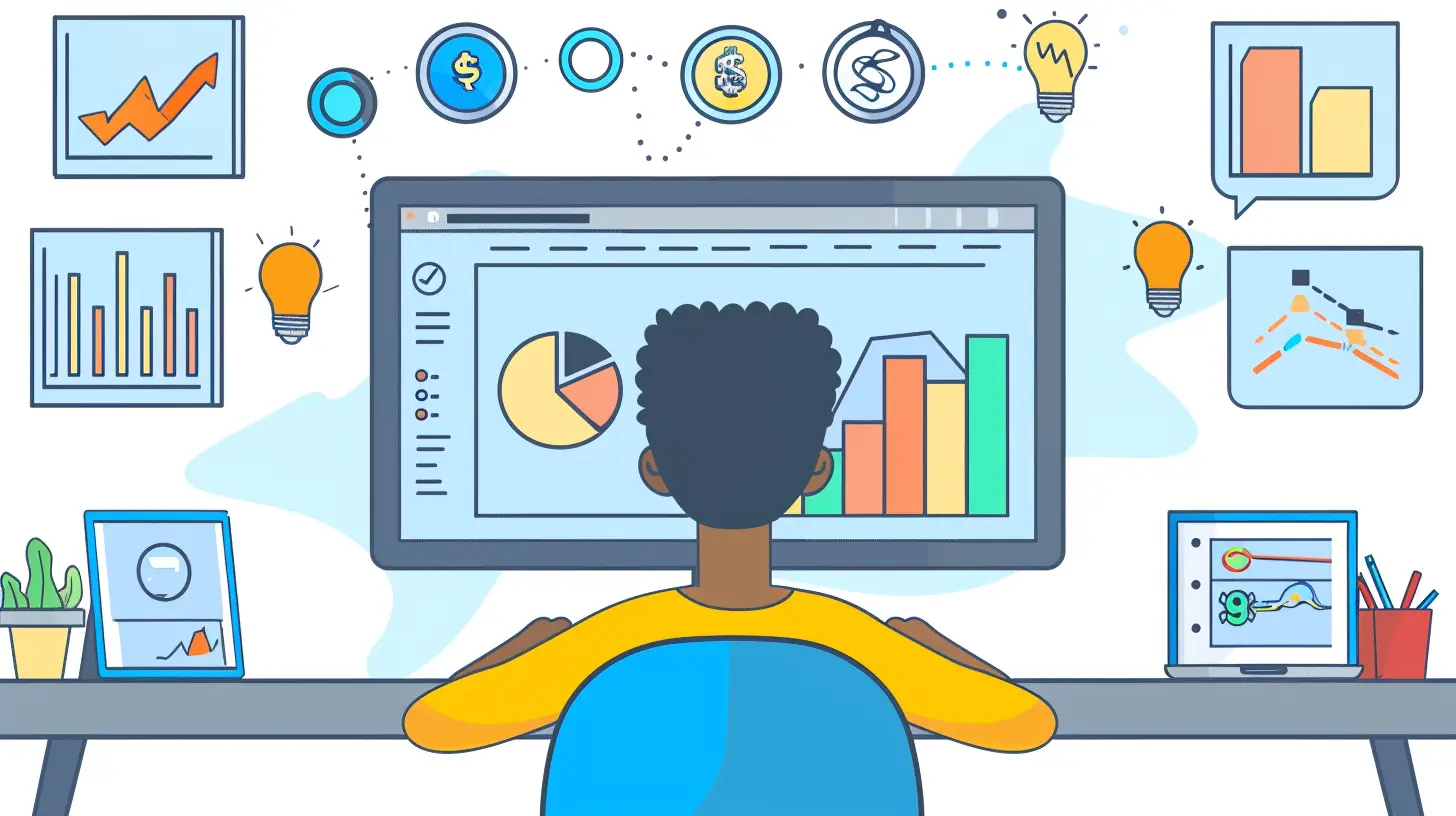
Real-World Examples of Predictive Analytics in Action
Still thinking, “This all sounds great in theory, but does it actually work?” Fair question. Let’s look at some real-world examples of companies crushing it with predictive analytics.1. Netflix’s Recommendation Engine
Ever wondered how Netflix always seems to know what you want to watch next? Predictive analytics, my friend. By analyzing your viewing history and comparing it to similar users, Netflix makes eerily accurate suggestions. This personalized experience keeps users hooked—and paying.2. Target and the Pregnancy Prediction Scandal
Target’s predictive analytics team once made waves (and headlines) when they accurately predicted a teenage girl’s pregnancy based on her shopping habits. Creepy? Sure. But it underscores just how powerful (and precise) this tool can be.3. Starbucks’ Location Strategy
Opening a new store isn’t as simple as finding an empty lot. Starbucks uses predictive analytics to analyze foot traffic, population demographics, and competitor locations. This data helps them decide where to set up shop—and maximize profits.Challenges of Using Predictive Analytics
Okay, before you go all-in on predictive analytics, let’s keep it real. It’s not a foolproof solution, and there are challenges to consider.1. Data Quality
Bad data = bad predictions. It’s that simple. If your data is inaccurate or incomplete, your insights won’t be worth much.2. Implementation Costs
Building predictive models isn’t cheap. Tools, software, and hiring data experts can add up. However, consider it an investment—done right, the ROI can be massive.3. Privacy Concerns
Let’s not forget about ethics. Collecting and analyzing customer data can feel invasive, especially if it’s not handled responsibly. Transparency and compliance are key to avoiding PR disasters.4. Overreliance on Technology
At the end of the day, predictive analytics is a tool—not an oracle. It’s there to assist decision-making, not replace human intuition and experience.How to Get Started with Predictive Analytics in Your Business
Convinced yet? Great! Here’s how you can start harnessing the power of predictive analytics for your own business growth.1. Define Clear Goals
What do you want to achieve? Increased sales? Better customer retention? Reduced risk? Start with a clear goal and let that guide your efforts.2. Invest in the Right Tools
You don’t need to build everything from scratch. Platforms like Tableau, Microsoft Power BI, and SAS offer user-friendly predictive analytics tools you can start with.3. Hire (or Train) Experts
You’ll need data-savvy people on your team. Whether it’s hiring a data scientist or upskilling existing employees, don’t skimp on expertise.4. Start Small
Don’t try to predict the future of everything at once. Begin with a specific use case (e.g., customer churn prediction) and expand as you see success.5. Monitor and Adjust
Predictive models aren’t “set it and forget it.” Keep an eye on their performance and tweak them as needed.Wrapping It Up: The Future Is Predictive
In a world driven by data, predictive analytics isn’t just a “nice-to-have”—it’s a necessity. Whether you’re running a small business or managing a multinational corporation, the ability to predict what’s next can be a game-changer. It’s not about gazing into a crystal ball; it’s about leveraging the information you already have to make smarter, faster, and more profitable decisions.So, what are you waiting for? Start crunching those numbers and unlock the power of predictive analytics to fuel your business growth. The future is waiting—don’t let it catch you off guard.
all images in this post were generated using AI tools
Category:
Data AnalysisAuthor:

Caden Robinson
Discussion
rate this article
2 comments
Jonah McSweeney
Great insights! Predictive analytics really can transform business strategies and drive impressive growth. Thanks for sharing!
February 14, 2026 at 3:25 AM
Caden Robinson
Thank you for your kind words! I'm glad you found the insights valuable. Predictive analytics truly is a game changer for businesses.
Azura Hunter
This article sparks my curiosity about how predictive analytics can transform decision-making. What are the top strategies businesses should adopt to fully leverage these insights for sustainable growth?
January 21, 2026 at 5:46 AM
Caden Robinson
Thank you for your interest! To leverage predictive analytics for sustainable growth, businesses should focus on integrating data across departments, investing in advanced analytics tools, fostering a data-driven culture, prioritizing continuous training, and regularly updating their models to adapt to changing trends.