Unlocking Peak Performance in the Workplace of 2026
6 May 2026
Let's be honest for a second. If you've felt like the standard "hustle harder" advice is starting to smell a little stale, you're not alone. By 2026, the workplace isn't just a room with a desk anymore. It's a hybrid beast, a digital ecosystem, and a psychological minefield all rolled into one. We've been through the remote revolution, the AI panic, the quiet quitting wave, and now we're staring down a reality where burnout is a badge nobody wants to wear.
So how do you actually unlock peak performance in this new landscape? Not by grinding yourself into dust. Not by stacking more apps onto your phone. The answer is way more interesting than that. It's about rewiring how you work, not just working harder. Let's break it down.

The Old Recipe Is Broken
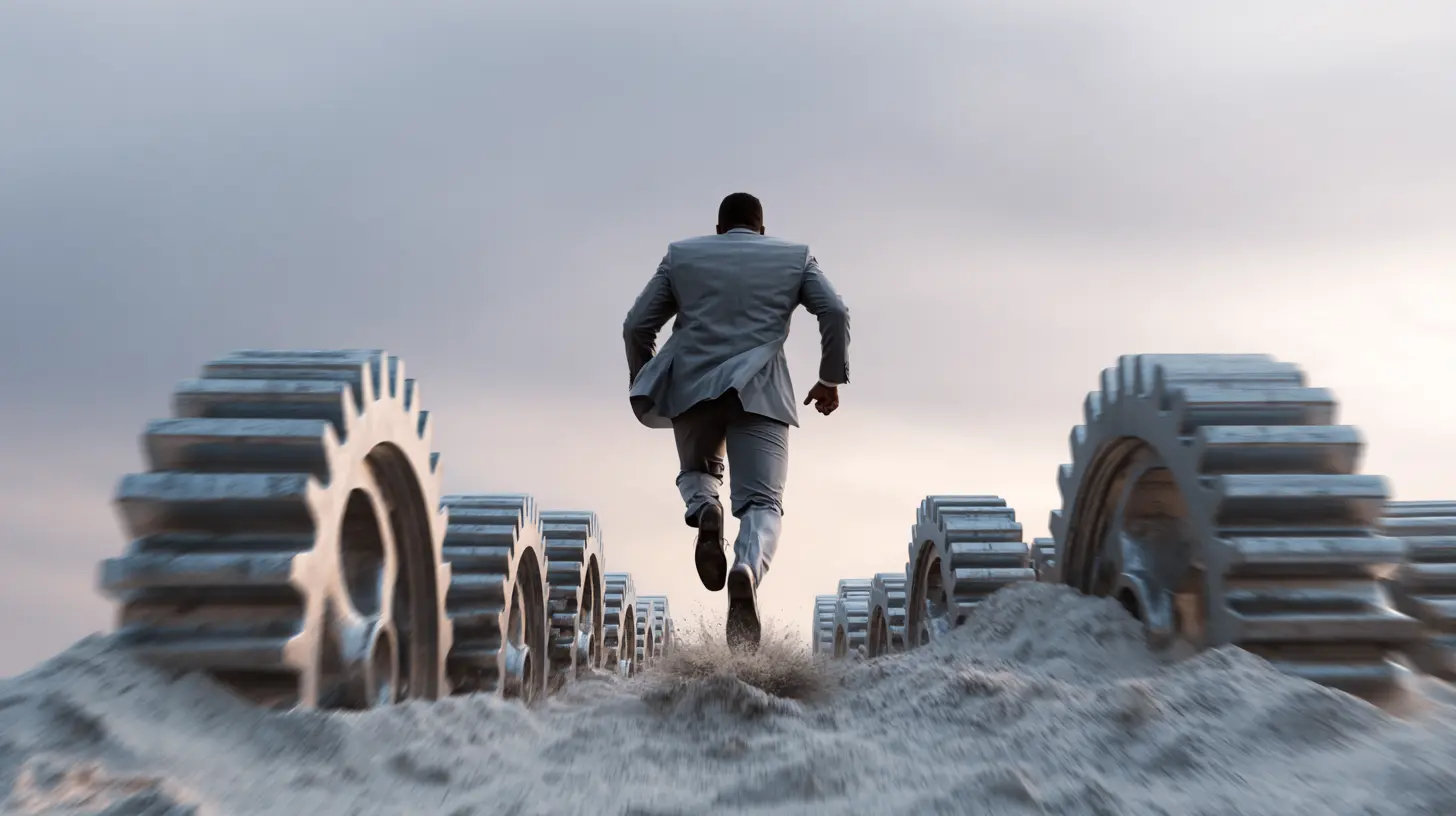
Think about the classic "peak performance" model from a few years ago. It was all about time management, inbox zero, and waking up at 5 AM to meditate while doing a cold plunge. Sounds impressive, right? But for most of us, that approach just added a layer of guilt on top of exhaustion. You'd fail to stick to the routine, feel like a failure, and then compensate by working longer hours.The problem was that we treated human beings like machines. You don't get more output by just increasing the input voltage. In 2026, the smartest organizations and individuals have realized that peak performance isn't a straight line. It's a cycle. It's about energy, not time. It's about focus, not hours. And it's about deep rest, not just "powering through."

Energy Management Over Time Management
Here's a hard truth: You cannot manage time. Time ticks away regardless of your fancy calendar. What you can manage is your energy. In 2026, the top performers don't ask "How can I fit more in?" They ask "What gives me the most juice for the least squeeze?"Think of your energy like a phone battery. If you keep running it down to 1% before charging, the battery degrades faster. Same with your brain. The old school approach was to push through the afternoon slump with coffee and willpower. The 2026 approach is to design your day around your natural energy rhythms.
The 90-Minute Sprint: Studies on ultradian rhythms show that our brains can focus intensely for about 90 minutes before needing a break. In 2026, the most productive workers don't try to work for eight hours straight. They work in 90-minute blocks, then take a real break. Not a five-minute scroll through social media, but a genuine reset. Walk away from the screen. Stretch. Breathe. Let your brain defrag.
The "Do Not Disturb" Zone: If your notifications are buzzing every ten minutes, you're not working. You're reacting. Peak performance requires deep work. Block off two hours in your calendar every morning where you are unreachable. No Slack, no email, no phone. Just you and your most important task. Treat that block like a meeting with the CEO of your own life. Because you are.

The Hybrid Brain: Dealing With Digital Noise
By 2026, we're all cyborgs. Not in a sci-fi way, but in a practical sense. We have a phone in our pocket, a laptop on our desk, and maybe a smartwatch on our wrist. The problem? Our brains haven't evolved to handle this constant input. We're swimming in a sea of information, and we're drowning in it.To unlock peak performance, you need to become a digital minimalist. Not a Luddite who throws away their phone, but someone who uses technology as a tool, not a master.
The Notification Audit: Go through your phone and computer settings. Turn off every single notification that isn't from a real human who needs an immediate answer. That newsletter you signed up for? It can wait. The "likes" on your post? They don't matter. The only things that should ping you are calls from family, messages from your boss about an emergency, and your calendar reminders. Everything else is noise.
The Single-Tasking Revolution: Multitasking is a myth. Your brain doesn't do two things at once. It switches rapidly between tasks, and each switch costs you time and mental energy. In 2026, the secret weapon is single-tasking. When you write an email, write the email. When you code, code. When you talk to a colleague, listen. It sounds simple, but it's incredibly hard to do. And it's incredibly powerful.
Psychological Safety: The Unsung Hero
Here's something that doesn't get talked about enough in performance discussions: feeling safe. If you're afraid to make a mistake, you'll never take a risk. If you're scared of being judged, you'll never share a creative idea. And without creativity and risk, you're just a robot following orders.In the workplace of 2026, the best teams have high psychological safety. That means people can speak up without fear of punishment. It means failure is treated as a learning opportunity, not a firing offense.
The "No Blame" Post-Mortem: When a project goes wrong, don't ask "Who did this?" Ask "What can we learn from this?" This shift in language is everything. It turns a toxic blame game into a constructive feedback loop. You'll get more honesty, more innovation, and fewer cover-ups.
The Permission to Pause: Sometimes, the most productive thing you can do is nothing. If you're stuck on a problem, staring at the screen harder won't help. Walk away. Take a shower. Go for a walk. Your subconscious will keep working on the problem. When you come back, the answer might just appear. In 2026, smart workers give themselves permission to pause. They know that rest isn't laziness; it's part of the performance cycle.
AI as Your Co-Pilot, Not Your Replacement
By now, everyone has tried ChatGPT or some other AI tool. The panic of 2023 and 2024 about AI taking our jobs has settled into a more realistic understanding. AI isn't going to replace you. But a person who uses AI well will replace you if you don't adapt.The 80/20 Rule with AI: Use AI for the boring, repetitive stuff. Drafting emails, summarizing meeting notes, generating outlines, checking grammar. That frees up your brain for the high-value work: strategy, creativity, relationship building, and critical thinking. Let AI handle the grunt work. You handle the human work.
The "AI Check" Habit: Before you send an important message or finalize a report, ask yourself: "Could AI have written this?" If the answer is yes, rewrite it. Add your voice. Add your perspective. Add the nuance that only a human can provide. In 2026, the most valuable skill is being uniquely human.
The Physical Foundation
You can't have peak mental performance without a solid physical foundation. I'm not saying you need to become a marathon runner. But your brain is a physical organ. It runs on fuel, oxygen, and sleep. If you treat your body like garbage, your brain will perform like garbage.Sleep is Non-Negotiable: There is no productivity hack that beats a good night's sleep. You cannot "catch up" on weekends. You cannot "power through" on four hours. Sleep is when your brain clears out waste, consolidates memories, and resets your emotional state. In 2026, the best performers prioritize sleep like it's their most important meeting.
Movement as a Reset: Sitting at a desk for eight hours is slowly killing you. Your body was designed to move. Even a five-minute walk every hour can dramatically improve your focus and energy. Use a standing desk. Do some stretches. Take a walking meeting. Your body will thank you, and your work will be better for it.
Hydration and Fuel: Your brain is about 75% water. If you're even slightly dehydrated, your cognitive performance drops. Keep a water bottle on your desk. Eat real food, not processed junk. Your brain needs quality fuel to run at peak performance.
The Social Connection Factor
We are wired for connection. The rise of remote work has been great for flexibility, but it's also been terrible for loneliness. In 2026, the most successful workplaces are investing in intentional connection.Virtual Water Coolers: Don't just have meetings about work. Have meetings about life. A weekly virtual coffee chat where no work talk is allowed. A "show and tell" session where people share something they're passionate about. These moments build trust and camaraderie. And trust is the foundation of high-performing teams.
The Power of Asynchronous Communication: Not everything needs a meeting. In fact, most things don't. Use tools like Loom or written updates to share information asynchronously. This lets people work in their own time zones and energy rhythms. It also cuts down on meeting fatigue, which is a real productivity killer.
The 2026 Performance Checklist
Let's put this all together into a simple checklist you can use tomorrow.1. Start your day with intention. Before you open email, ask yourself: "What is the one thing that, if I get it done today, will make everything else easier?" Do that first.
2. Work in 90-minute sprints. Set a timer. Focus completely. Then take a real break.
3. Turn off all non-essential notifications. Your phone works for you, not the other way around.
4. Use AI for the boring stuff. Let it draft, summarize, and organize. You do the thinking.
5. Move your body every hour. Even a short walk counts.
6. Prioritize sleep. Aim for 7-8 hours. No exceptions.
7. Create psychological safety. Ask questions. Admit mistakes. Encourage others to do the same.
8. Connect with your team. Build relationships beyond the task list.
9. Review your week. What worked? What didn't? Adjust accordingly.
The Real Secret
Here's the thing nobody tells you about peak performance. It's not a destination. It's a practice. You're not going to wake up one day and be "optimized" forever. You're going to have good days and bad days. The goal isn't to be perfect. The goal is to be better than you were yesterday.In 2026, the workplace is more flexible, more digital, and more demanding than ever. But it's also more human. We've learned that burnout doesn't work. We've learned that connection matters. We've learned that rest is productive.
So, are you ready to unlock your peak performance? It's not about working harder. It's about working smarter. It's about taking care of yourself. It's about using the tools available to you. And it's about remembering that you're a human being, not a machine.
Go ahead. Take that break. Turn off that notification. Ask for help. Your best work is waiting for you on the other side.
all images in this post were generated using AI tools
Category:
Motivation In BusinessAuthor:

Caden Robinson
Discussion
rate this article
1 comments
Winter Stevens
Emphasizing adaptability and well-being is key for success.
May 6, 2026 at 2:27 AM
Caden Robinson
You're absolutely right. Flexibility and well-being will be essential for thriving in the future workplace.