Understanding the Buyer’s Journey in B2B Markets
16 June 2026
Let’s face it — trying to close a deal in business-to-business (B2B) markets isn’t the same as selling a pair of sneakers or a phone case. You’re not dealing with impulse buys. The B2B buyer’s journey is more like a marathon than a sprint — with twists, turns, and plenty of hurdles along the way.
In today’s hyper-competitive marketplace, understanding the buyer’s journey is not just helpful... it’s essential. Why? Because savvy B2B buyers are well-informed, methodical, and collaborative decision-makers. If your marketing doesn't sync with where they are in their journey, you’ll miss the mark — and the sale.
In this post, we're breaking it all down. From the moment your buyer first senses a problem to the final handshake on a deal (or e-signature), we’ll walk through every stage of the B2B buyer’s journey and how you can strategically position your brand at each step.
What Is the B2B Buyer’s Journey?
At its core, the B2B buyer’s journey is the process potential customers go through before purchasing a product or service. It isn’t just about price or product features — it’s about solutions, risks, ROI, and trust.Unlike in B2C (Business-to-Consumer), where buying decisions can be emotional or spontaneous, B2B purchases involve higher stakes: longer sales cycles, multiple stakeholders, bigger budgets, and much more research. Think of it like dating — but instead of a few fun outings and a spark, B2B buyers want to know everything about you before going steady.
The 3 Key Stages of the B2B Buyer’s Journey
Let’s break it down. The buyer’s journey typically unfolds in three main stages:1. Awareness Stage
2. Consideration Stage
3. Decision Stage
Each stage reflects the mindset of the buyer — their goals, needs, and concerns. If you tailor your content and messaging to match these shifting needs, you’ll become their go-to guide along the way.
1. Awareness Stage: “We’ve Got a Problem”
What's Going on Here?
At this point, the buyer has identified a problem, challenge, or opportunity. They might not know exactly what’s causing it yet — but they want to understand what’s wrong. So, what do they do? They go into research mode.They’ll fire up Google, start browsing content, read blogs, watch YouTube videos, and maybe even poke around LinkedIn. They're not ready to talk to sales yet — they just want answers.
Your Job at This Stage
You need to show up with valuable, educational content that helps them understand their problem better. This is not the time to go full-on sales pitch.Key Content Types for Awareness Stage:
- Blog posts (like this one!)
- Educational videos
- eBooks and guides
- Industry reports
- Infographics
- Podcasts
Your goal is to provide insights, not solutions (yet). Help the buyer put a name to their pain, and position yourself as a trusted expert.
Pro Tip:
Use SEO to your advantage here. Target long-tail keywords and questions that align with problem-related searches, like:- “Why is my CRM productivity declining?”
- “How to improve enterprise IT infrastructure”
- “Common B2B marketing challenges in 2024”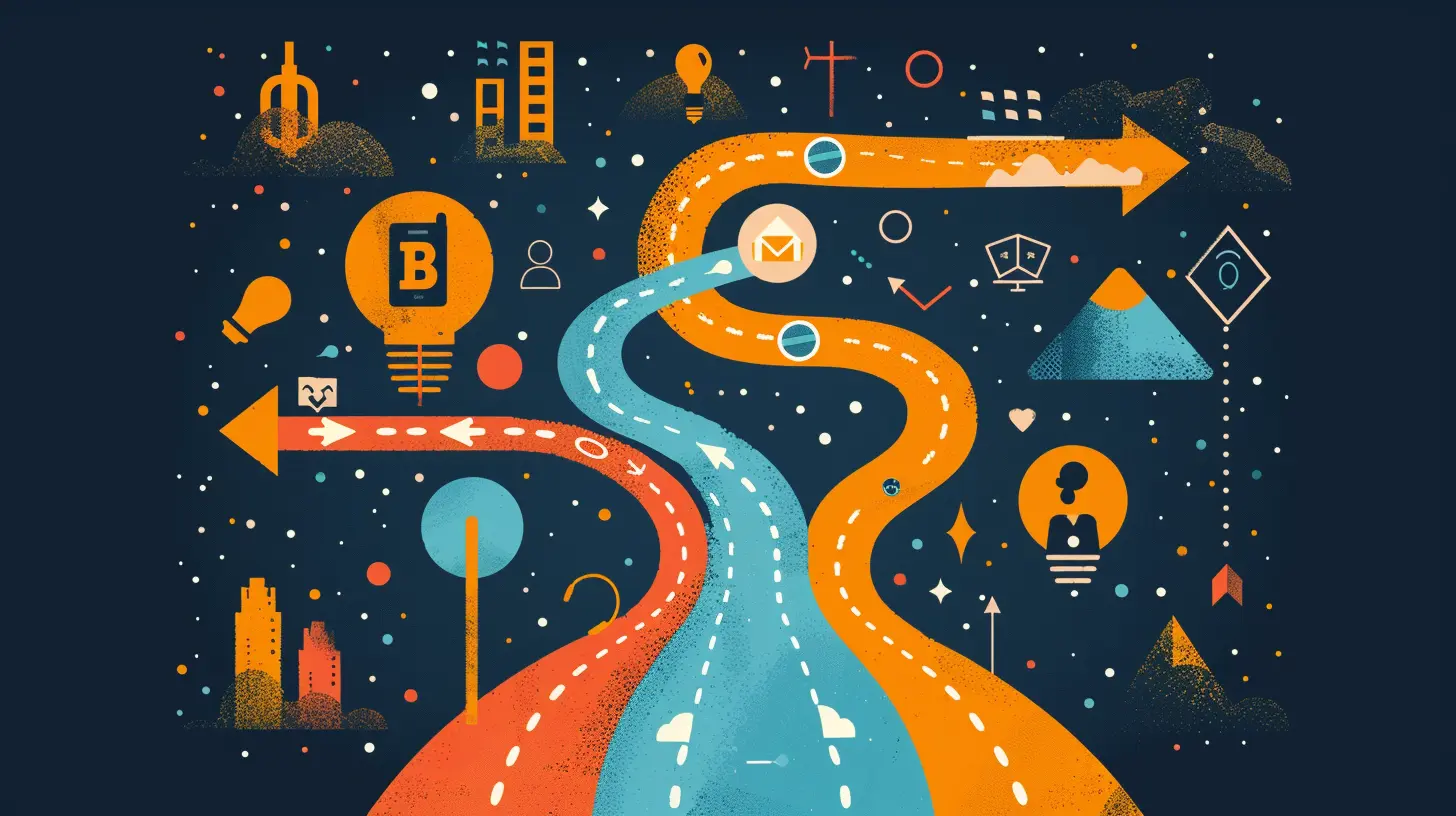
2. Consideration Stage: “What Are My Options?”
What’s Happening Now?
Now the buyer clearly understands their problem and is actively researching solutions. They haven’t chosen a vendor, but they’re comparing methods, approaches, or product categories. They know they need something — just not sure which route to take.Here’s where they’ll start weighing pros and cons, evaluating use cases, and thinking, “What’s going to give me the best ROI without wrecking my team’s productivity?”
Your Role in This Phase
This stage is all about showing how your solution fits into their context. You’re still educating — but now you’re connecting the dots between their issues and your solution.Helpful Content Formats for Consideration Stage:
- Comparison guides (e.g., your software vs others)
- Case studies
- Expert whitepapers
- Webinars and live demos
- ROI calculators
- Email drip campaigns with deeper content
Start to get a little more in-depth and product-specific. Share how you helped other businesses tackle similar problems, and answer questions before they ask them.
Remember:
At this point, they want to justify why they should even consider your solution. They’re also likely to bring in other stakeholders to weigh in — like IT, finance, or legal.Tailor your content to appeal to multiple personas while sticking close to the buyer’s central pain point.
3. Decision Stage: “Let’s Make a Deal… Maybe”
What's Up Now?
Here we go. Buyers are ready to make a purchase decision. You’re on their short list (hopefully), but you’re not the only one. Now it’s all about trust, service, value, and relationships.Think about it — they're about to spend a chunk of their company’s budget and possibly revamp internal processes. That’s a big deal.
So, What’s Your Move?
At this point, it’s time to lean into credibility and reassurance. Your content and messaging should say, “We’ve got your back — and here's proof.”Effective Content for the Decision Stage:
- Detailed product comparisons
- Pricing pages
- Customer testimonials and video reviews
- Implementation guides
- Free trials or pilot programs
- One-on-one consultations
Clear CTAs are crucial here. Don’t make them dig for pricing or contact forms. Be upfront, transparent, and easy to communicate with.
Don’t Forget the Post-Purchase Stage
Many folks think the journey ends at the “Buy Now” button — but in B2B, that’s just the start of a new chapter.Once a customer is signed on, you have a golden opportunity — turn them into loyal advocates.
Focus on:
- Smooth onboarding
- Ongoing support
- Thought leadership content
- Exclusive customer webinars
- Feedback loops and surveys
Delight your customer... and watch the referrals, renewals, and upsells start to roll in.
Aligning Sales and Marketing with the Buyer’s Journey
Here’s the thing — you can’t fully capitalize on the buyer’s journey unless your sales and marketing teams are in sync.It’s called “smarketing” — and it’s not just a buzzword. When marketing creates content that supports sales conversations, and sales feeds marketing with on-the-ground insights, you get a powerful growth engine.
Make sure your teams:
- Share feedback regularly
- Use the same CRM tools and data
- Agree on content strategies
- Understand their roles at each stage of the journey
Common Mistakes to Avoid
Let’s talk landmines. Here are some common errors B2B marketers make when navigating the buyer’s journey:- Jumping to the sale too early. No one likes a pushy salesperson — especially in the awareness stage.
- One-size-fits-all content. Different stages need different messaging. Don’t throw a product demo at someone still Googling “how to fix their supply chain.”
- Ignoring key stakeholders. B2B decisions are rarely made by one person alone.
- Forgetting to follow up. Post-purchase nurturing is just as important as pre-sale content.
How to Map Your Content to the Buyer’s Journey
Feeling a little overwhelmed? Don't worry — here's a quick cheat sheet to help you align content to each journey stage:| Stage | Buyer’s Intent | Content Focus | Best Formats |
|---------------|-----------------------------------|--------------------------------------------|---------------------------------|
| Awareness | Understand the problem | Educate, diagnose, inform | Blogs, guides, videos, reports |
| Consideration | Evaluate solutions | Compare, explain benefits, offer insights | Webinars, case studies, whitepapers |
| Decision | Choose the right vendor | Prove value, build trust, remove friction | Demos, testimonials, pricing info |
Use this as a planning tool when creating your content calendar. You'll quickly see the gaps — and the opportunities.
Final Thoughts: Guiding, Not Selling
Here’s the bottom line: the B2B buyer’s journey isn’t a funnel you force people through. It’s a path you walk with them. When your messaging, content, and engagement match where the buyer is mentally, you're not a vendor anymore — you're a partner.Think of yourself as the GPS for their decision-making process. You don’t drive the car, but you help them stay on course, avoid traffic, and reach the best destination possible — with your solution in the passenger seat.
So, take the time to really understand your buyer. What are they thinking? Feeling? Searching for? Then build your strategy around that. Nail this, and you won’t just close deals — you’ll build relationships that last.
all images in this post were generated using AI tools
Category:
B2b MarketingAuthor:

Caden Robinson
Discussion
rate this article
1 comments
Azriel Conrad
Understanding the buyer's journey in B2B markets is essential for aligning marketing strategies, building trust, and ultimately driving conversions in a competitive landscape.
June 22, 2026 at 11:14 AM
Caden Robinson
I completely agree. Grasping the buyer's journey helps tailor our approach and fosters stronger relationships. It's key to staying competitive.