Understanding Cultural Differences in Global Negotiations
4 March 2026
In today’s interconnected world, you’re just as likely to close a business deal over Zoom with a partner in Tokyo as you are face-to-face with someone down the street. But here's the catch — negotiating across cultures isn’t just about what you say. It's about how you say it, when you say it, and even what you're not saying.
Understanding cultural differences in global negotiations isn’t a luxury anymore; it's a business necessity. Think of it like navigating a global maze — you need the cultural GPS turned on or you're bound to hit dead ends. Whether you're a business leader, entrepreneur, or sales professional, mastering cultural sensitivity can be the difference between a handshake and a hard no.
Let’s break it all down.
Why Cultural Differences Matter in Business Negotiations
You might think, “Business is business — numbers, logic, value.” Well, not so fast.When you're negotiating internationally, you’re not just trading goods or services. You’re engaging with people who grew up with different customs, communication styles, and worldviews. These differences can (and often do) lead to misunderstandings, lost deals, or even damaged relationships.
Take a simple “yes,” for example. In some cultures, “yes” means “I agree.” In others, it might just mean “I hear you” — not “I’m on board.” You can imagine the confusion that causes when you're closing a deal worth millions!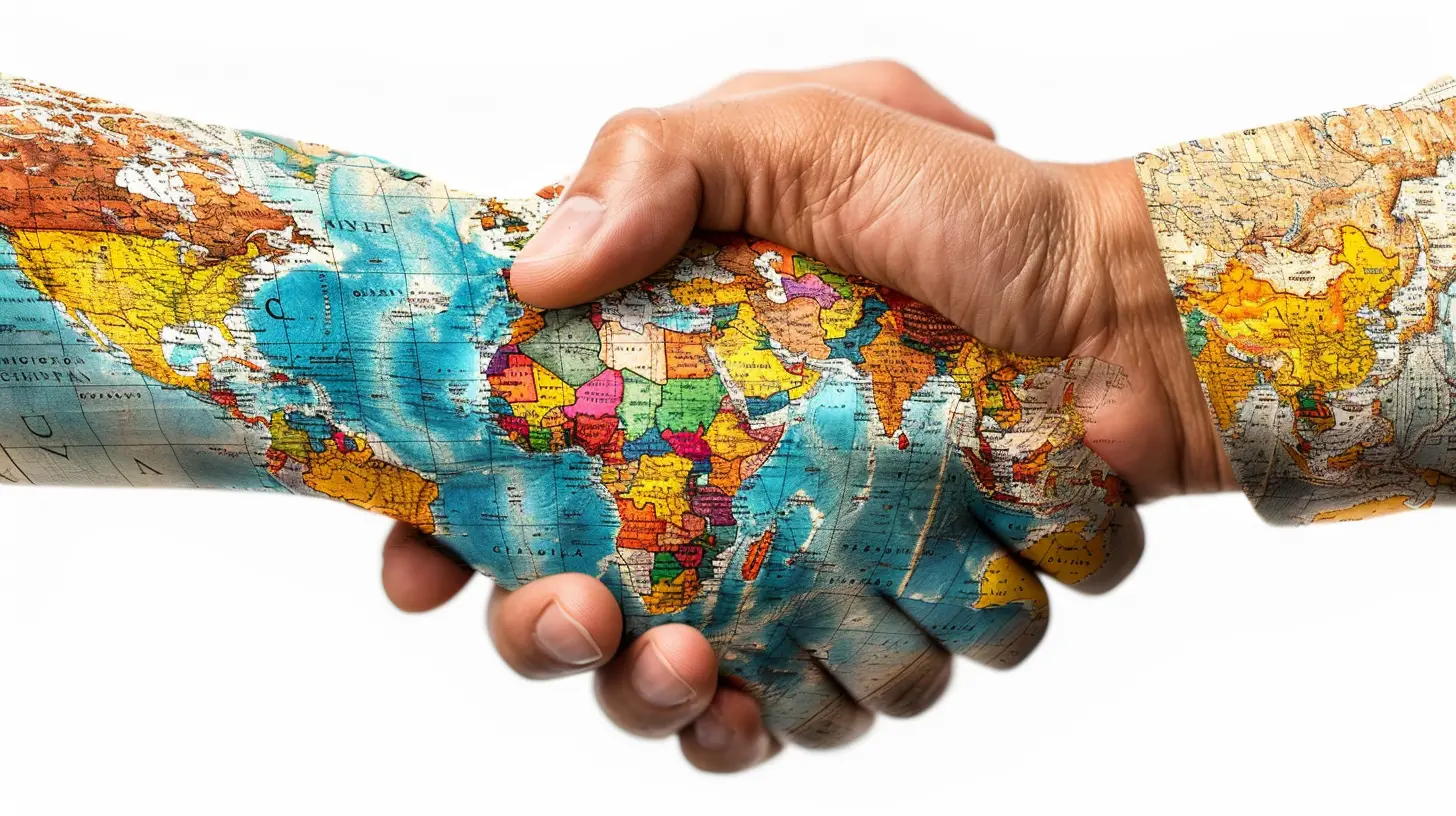
The Iceberg Model of Culture: It’s What You Don’t See
Think of culture like an iceberg. Above the surface, you see language, food, dress code — the obvious stuff. But below the waterline? That’s where things get interesting. That's where values, beliefs, perceptions, and assumptions live — and they heavily influence how people behave in negotiations.Let’s say you're negotiating with someone from a high-context culture (we’ll talk about that in a second). They might expect you to read between the lines. If you’re from a low-context culture and prefer directness, things could get awkward fast.
High-Context vs. Low-Context Cultures
This is a big one in cross-cultural negotiations.- High-context cultures (like Japan, China, and many Arab countries) rely heavily on context, non-verbal cues, tone, and body language. Relationships matter more, and communication is often indirect.
- Low-context cultures (like the U.S., Germany, or Scandinavia) prioritize direct, clear, and explicit communication. Facts over feelings.
So, if you're dealing with someone from a high-context culture, don't be surprised if they don’t say “no” outright — they might hint, pause, or use vague language. You’ve got to tune in.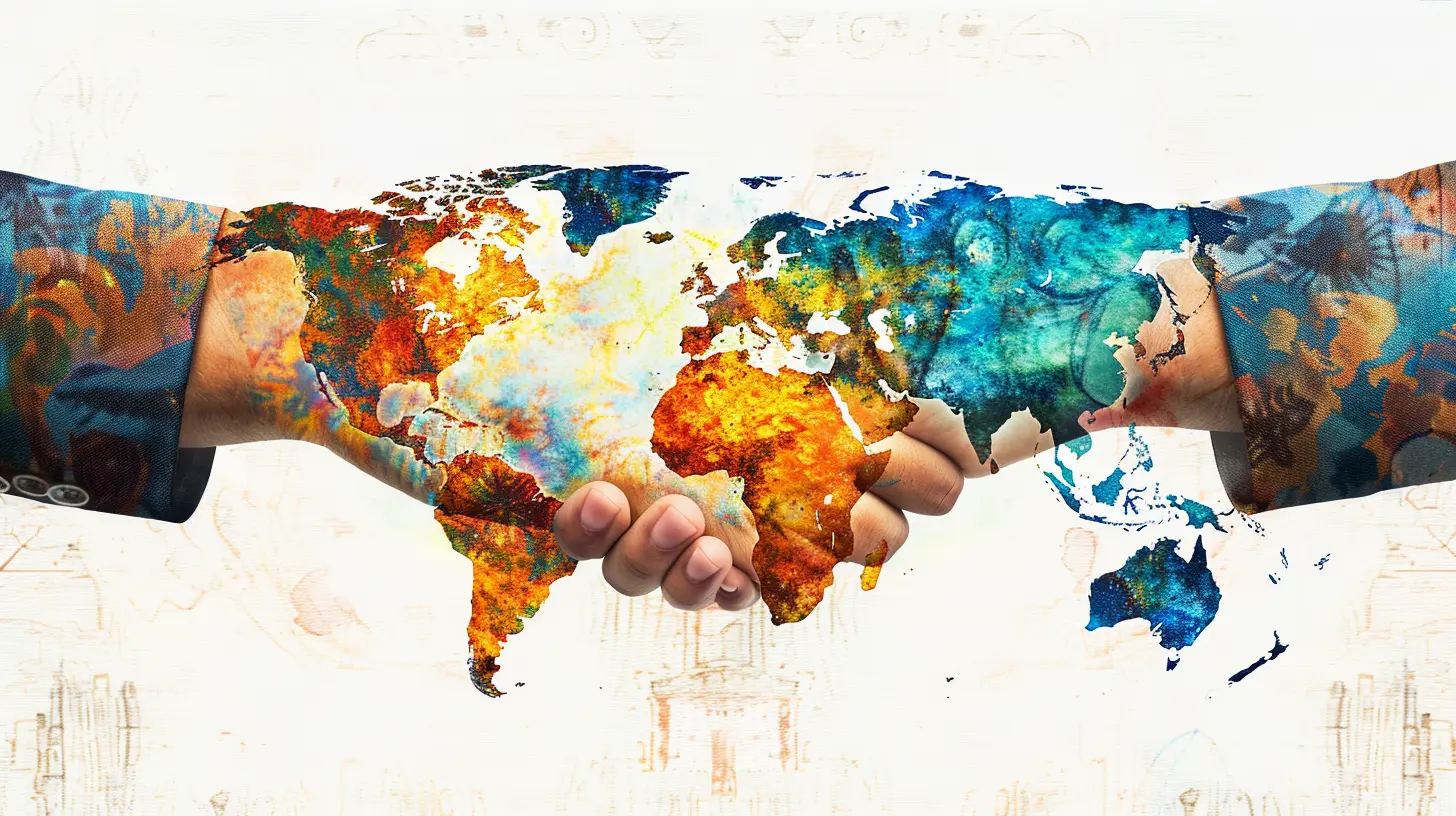
Negotiation Styles Across Cultures
Let’s hit the global map and take a quick tour, shall we?1. United States – Direct and Deal-Focused
Americans are typically time-conscious and aim to get straight to the point. Negotiations are about the deal, not the dinner. Efficiency wins.2. Japan – Indirect and Consensus-Driven
In Japan, harmony and group consensus matter more than individual opinions. Decisions are rarely made on the spot — they consult internally first.3. Germany – Precise and Detail-Oriented
Germans appreciate structure, logic, and clear planning. They value long-term relationships but expect serious prep work upfront.4. Brazil – Relationship-Oriented and Flexible
In Brazil, building a personal relationship is often the first step. Expect to chat a while before diving into business talk.5. India – Adaptive but Hierarchical
Indian negotiators tend to be flexible and adaptive, but they also respect authority and might defer to superiors before finalizing a deal.Do you see the pattern? It's not one-size-fits-all — it’s tailor-made by culture.
The Role of Non-Verbal Communication
Words say a lot, but body language might say even more — especially when working with cultures that lean on nonverbal cues.- Eye contact: In the U.S., it's seen as confidence. In some Asian cultures, it might come off as confrontational.
- Personal space: Latin American negotiators may stand closer than you're used to.
- Silence: In the West, silence can feel awkward. In Japan, silence is thoughtful — a sign of respect.
Knowing these nuances helps you stay in tune with your counterpart, rather than getting thrown off by what feels “weird” or “off.”
Time and Decision-Making
How long should a negotiation take? Depends on who you’re talking to.In countries like the U.S. or Switzerland, time is money. People expect to move fast and make decisions quickly.
On the flip side, in countries like China, India, or Saudi Arabia, negotiations can stretch out for weeks or months. Why? Because relationships and trust are built before any pen hits the paper.
Be patient. If you rush, you risk looking pushy — or even worse, disrespectful.
Building Trust Across Cultures
Trust. It's the currency of international business.But here’s the kicker — people define trust differently around the world.
- In the West, trust often comes from competence. “If you're good at what you do, I trust you.”
- In the East, trust is more personal. “I trust you because I know who you are.”
So, if you’re working with someone from China or Brazil, don’t be surprised if they want to wine and dine you before talking shop. They need to know your story before they trust your strategy.
Tips for Successful Cross-Cultural Negotiations
Alright, enough theory — let’s get practical. Here are some real-world tips you can use today:1. Do Your Homework
Seriously, don’t skip this. Study the culture, communication style, and negotiation norms of your counterpart. Basic etiquette goes a long, long way.2. Be Curious, Not Judgmental
If something feels “strange,” don’t label it as wrong. Stay open-minded and ask questions. Curiosity builds bridges.3. Adapt Your Communication Style
You don’t need to become someone you’re not — just be flexible. Listen more. Speak slower. Watch body language.4. Be Mindful of Hierarchies
In some cultures, it’s critical to address the most senior person first. Don’t assume everyone in the room has equal say.5. Clarify Everything
Ask for clarification, confirm agreements, and summarize frequently. This isn’t about mistrust — it’s about ensuring understanding.6. Build Relationships First
Especially in relationship-focused cultures. A coffee chat may be more valuable than a spreadsheet.Common Pitfalls to Avoid
Let’s save you from a few facepalm moments:- Assuming everyone thinks like you.
- Being overly direct or overly vague.
- Ignoring local customs or taboos.
- Misinterpreting silence or hesitation.
- Pushing urgency in cultures that value patience.
Cross-cultural mistakes happen — but if you can avoid the big ones, you’re halfway there.
Case Studies: Negotiations Gone Right (or Wrong)
Case 1: The Lost Chinese Deal
An American tech firm tried to finalize a deal in a single three-day visit to Beijing. They were baffled when their Chinese partners kept deferring and asking for more time. The result? No deal. They didn’t understand that trust needed to be built first.Case 2: The German Engineering Giant
A Brazilian company succeeded in partnering with a German firm — after months of back-and-forth emails and hyper-detailed planning sessions. Why did it work? They adapted to Germany’s preference for structure and precision.These real stories show that cultural fluency isn't just a skill — it’s a superpower.
The Future of Global Negotiations
With AI, remote work, and digital meetings changing how we connect, you might think culture matters less.Wrong.
If anything, cultural understanding matters more. In a video conference, where non-verbal cues are limited and misunderstandings are easier, being culturally sensitive is crucial. The ability to “read the room” from 5,000 miles away? That’s 21st-century leadership.
Final Thoughts
So, here’s the bottom line: Understanding cultural differences in global negotiations isn’t about memorizing every tradition or greeting. It’s about respect, awareness, and adaptability.Think of yourself as a cultural chameleon — blending in just enough to connect, while staying true to your values. It’s not just about winning contracts. It’s about building relationships that last.
The more you learn about how others think, the better you get at seeing the world through their eyes. And that’s what makes you a better negotiator, leader, and human.
Now go out there and make that deal — just don’t forget to check the cultural compass first!
all images in this post were generated using AI tools
Category:
NegotiationAuthor:

Caden Robinson
Discussion
rate this article
2 comments
Valen McDowell
Negotiating across cultures is like trying to dance the tango in a tutu—awkward but entertaining! Embrace the steps, swap shoes, and who knows? You might just cha-cha your way to a sweet deal that transcends borders!
March 31, 2026 at 4:53 AM
Caden Robinson
Thank you for that vivid metaphor! Embracing cultural differences truly can make negotiations both rewarding and enjoyable. Let’s keep dancing our way to successful collaborations!
Greyson Acevedo
Great article! Navigating cultural quirks in global negotiations can feel like a dance—sometimes you're leading, sometimes you're following. Just remember: a little laughter and curiosity go a long way in bridging those cultural gaps!
March 4, 2026 at 3:48 AM
Caden Robinson
Thank you! I'm glad you enjoyed the article. Embracing laughter and curiosity truly makes a difference in navigating cultural nuances!