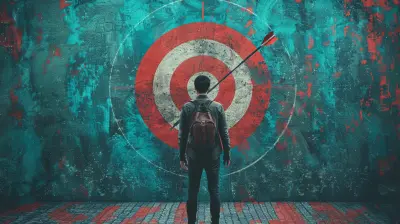
Understanding Buyer Psychology to Improve Your Sales Approach
28 May 2026
You can have the best product on the market, the flashiest website, and the most well-trained team of salespeople — but if you don’t understand how your customers think, you’re leaving Big Money on the table.
Sales isn’t just about pitching features or slashing prices. It’s about understanding people — how they feel, what drives them, and what secretly pushes them from “just browsing” to “take my money.”
That, my friend, is where buyer psychology comes in.
In this article, we’re going deep (but not boring-deep). By the end, you’ll have a fresh, smart understanding of how your buyers think and how to adapt your sales approach to align with their psychological fingerprints. Let’s get into it.
What Is Buyer Psychology, Anyway?
Let’s break it down real quick.Buyer psychology is the study of why people buy — what motivates them, what stops them in their tracks, and what flips their “no thanks” into a sweet “yes please.” It's the emotional and cognitive process behind purchasing decisions.
Think of it like this: if selling is the art of persuasion, buyer psychology is the science of why persuasion even works.
It’s not about manipulating people. It’s about deeply understanding them so you can serve them better. Big difference.
Why Should You Care About It?
You wouldn’t try to fix a car without knowing how an engine works, right? The same goes for selling. You need to know what’s under the hood of a customer’s mind.Here’s why tapping into buyer psychology will turbo-boost your sales:
- ? You’ll write copy that makes people nod.
- ? You’ll pinpoint objections before they even arise.
- ? You’ll turn browsers into buyers more consistently.
Most importantly — you'll stop guessing and start connecting. And in today’s oversaturated, noisy market, connection is everything.
The Secret Sauce: Emotions Drive Purchases (Not Logic)
Let’s bust a common myth: People don’t buy logically. They buy emotionally — and justify it logically afterward.That’s right. Even in B2B settings, emotion comes first. Whether it’s the fear of missing out (FOMO), the thrill of a deal, or the desire to be admired, emotion leads the charge.
Think About It...
Ever bought something just because it made you feel a certain way? Maybe a sleek new phone, even though your old one still worked fine? That wasn’t logic — that was feeling. That was psychology at play.So when you’re crafting a sales pitch or an email campaign, ask yourself:
? What emotion am I tapping into here?
Some powerful emotional triggers include:
- Fear (of loss, mistakes, or missing out)
- Desire (for success, comfort, happiness, status)
- Trust (or removing fear of risk)
- Belonging (to a group, community, movement)
- Convenience (making life easier or faster)
Use them wisely, like spices in a gourmet meal — not too much, but definitely not too little.
Understanding Your Buyer’s Journey (And Brain)
Before someone buys from you, they go on a little mental and emotional journey. It’s usually not a straight line — more like an unpredictable roller coaster.Let’s break it down into stages and explore what’s happening in their brain at each point.
1. Awareness: “I Have a Problem”
At this stage, your prospect doesn’t know you exist yet. They’ve just realized something’s off — or you’ve pointed it out.What’s happening in their head?
- Confusion
- Curiosity
- Mild panic (if the problem is urgent)
Your sales approach here should focus on:
- Educating them
- Empathizing with their pain
- Showing that you get it
Don’t push too hard. Offer value first to earn attention and trust.
2. Consideration: “Could This Be the Solution?”
Now they’re shopping around, comparing options, reading reviews, watching demos — and yes, stalking your website.What’s happening in their head?
- Excitement
- Skepticism
- Analysis paralysis
Your move?
- Differentiate your offer
- Address objections before they ask
- Show social proof like testimonials and case studies
Pro tip: People trust people. Use human stories more than polished pitch decks.
3. Decision: “Let’s Do This (Or Not)”
This is crunch time. They’re on the fence. They might be ready to buy… or bounce.What’s in their head?
- Fear of making the wrong choice
- Last-minute doubts
- A need for reassurance
Your job?
- Offer guarantees or risk-reversal
- Simplify the buying process
- Make the decision feel GREAT, not just acceptable
This is when you remind them not just what your product does — but how it transforms their life or business.
Cognitive Biases That Influence Buying Decisions
Humans have mental shortcuts called cognitive biases. These are like little processing “glitches” that affect our decisions, even when we think we’re being rational.Smart salespeople use these to their advantage (in a good way).
1. The Scarcity Effect
People value things more when they seem limited — either in quantity or time.Use it by:
- Highlighting limited-time offers
- Showing how few items are left in stock
- Running exclusive promotions
But be real. Fake scarcity kills trust.
2. Social Proof
“If everyone else is doing it, it must be good.”We trust what others trust. That’s why:
- Testimonials
- Case studies
- User reviews
- Social media buzz
…all work like magic.
Use it everywhere — not just on the checkout page, but also in your emails, branding, and visuals.
3. Anchoring
We rely too heavily on the first piece of info we see (the “anchor”) when making decisions.Use it by:
- Showing the original price before a discount
- Offering “premium” packages next to standard ones to make them look more affordable
- Presenting high-value services first to make smaller ones seem more accessible
4. Loss Aversion
People fear losing something more than they love gaining something.Which sounds more compelling?
- “Gain an extra hour a day with our tool”
- “Stop wasting an hour a day on inefficient tools”
That second one hits harder, right? That’s loss aversion in action.
Personalization: The New Frontier of Buyer Psychology
Here’s the truth: people don't want to be sold to. They want to be understood.When your message feels tailor-made for them? That’s when the magic happens.
Ways to Personalize Your Sales Approach:
- Use their name (obvious, but still powerful)- Mention specific pain points tied to their industry or role
- Recommend solutions based on their past behavior or interests
- Segment your emails or ads into ultra-specific messages
You’re not shouting into a crowd — you’re having a one-on-one conversation. That’s how trust is built.
Listening Is Your Secret Weapon
Salespeople tend to talk too much. But great sales come from great listening.When you listen closely to what prospects say (and don’t say), you:
- Learn their real pain points
- Hear the emotions behind the words
- Catch buying signals early
Ask better questions. Then shut up and really pay attention.
Here’s a cheat code:
Ask, "What's the biggest frustration you're facing with [insert problem]?"
Then just… let them talk. They’ll tell you exactly how to sell to them.
Making It Stick: How to Apply Buyer Psychology to Your Sales Strategy
It’s one thing to know how people think. It's another to use it on the ground.Here’s how to bring all this juicy psychology into your sales approach:
1. Audit Your Sales Funnel
Go step by step and ask:- Am I speaking to emotions or just listing features?
- Am I addressing fears, doubts, and objections?
- Is there a clear path from awareness to decision?
Tweak accordingly.
2. Train Your Team on Buyer Personas
Make sure everyone knows who your ideal customer is — what drives them, scares them, motivates them.Sales scripts are fine. But empathy and understanding are irreplaceable.
3. Build Trust Everywhere
Trust is the real currency of sales. Earn it through:- Authentic content
- Real social proof
- Transparent guarantees and returns
Trust isn't built in a day, but it can be lost in a second.
Wrap-Up: Selling Isn’t About Talking — It’s About Understanding
If you only take one thing away from this article, let it be this:? People don’t buy products. They buy feelings, transformations, outcomes, and the belief that they’re making a good choice.
Understanding buyer psychology helps you connect the dots between what you offer and what people truly want.
So next time you’re crafting a pitch, launching a campaign, or hopping on a sales call, remember — you’re not selling to a wallet. You’re speaking to a brain and a heart.
Get that right… and the sales will follow.
all images in this post were generated using AI tools
Category:
Sales StrategiesAuthor:

Caden Robinson
Discussion
rate this article
1 comments
Azurael Gutierrez
Great insights! Understanding buyers truly enhances sales strategies.
June 11, 2026 at 10:50 AM
Caden Robinson
Thank you! I'm glad you found the insights valuable. Understanding buyers is key to tailoring effective sales strategies.