The Role of E-commerce in Global Trade Growth
12 August 2026
The world of business has transformed dramatically over the past few decades, and at the heart of this change is e-commerce. From small startups to global corporations, businesses are using online platforms to reach customers beyond borders. But how exactly is e-commerce shaping global trade growth? Let’s dive into this exciting topic and uncover the impact of digital marketplaces on the worldwide economy. 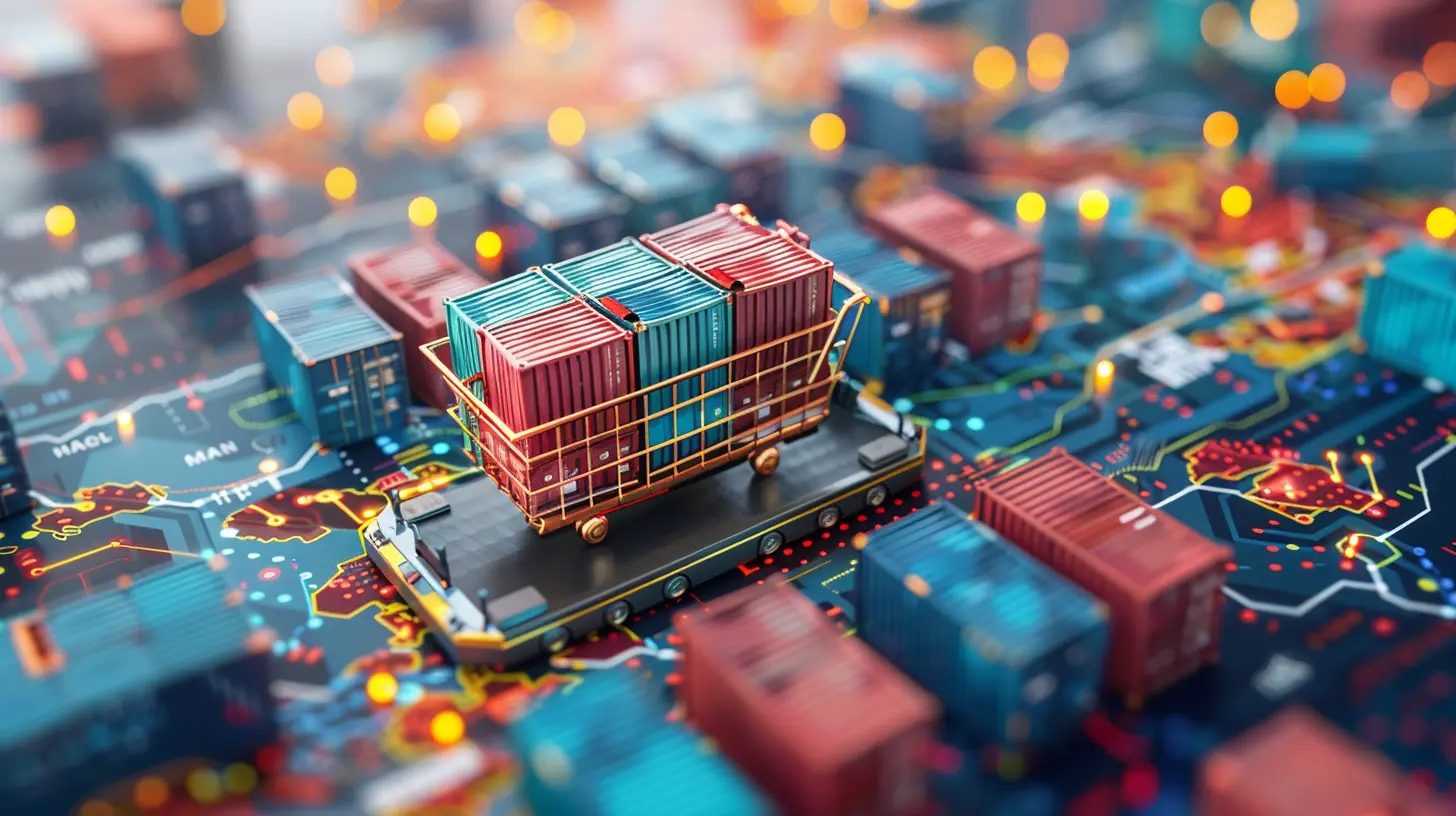
The Rise of E-commerce in Global Trade
Think back to the early days of shopping—when it meant physically visiting stores, waiting in line, and dealing with limited choices. Fast forward to today, and everything we need is just a click away. E-commerce has revolutionized the way we buy and sell goods, making global trade more accessible, efficient, and scalable than ever.Breaking Down Borders
Before e-commerce, expanding to international markets was a logistical nightmare. Businesses had to deal with complicated import/export regulations, hefty tariffs, and physical storefronts in multiple locations. Now? A single online store can cater to customers around the world with minimal overhead costs.Take Amazon, for example. It started as a small online bookstore but quickly evolved into a global marketplace selling everything from electronics to apparel. Many other platforms, like Alibaba, Shopify, and eBay, have similarly boosted international trade by connecting buyers and sellers from different continents.
The Role of Digital Payment Systems
One of the biggest challenges in global trade has always been payments. Different currencies, banking regulations, and trust issues made cross-border transactions complicated. Enter digital payment systems like PayPal, Stripe, and cryptocurrency. These platforms have made it easier than ever to complete secure, swift, and smooth transactions across countries.Would you have imagined 20 years ago that you could buy a handcrafted product from a small business in India while sitting in your living room in New York? That’s the magic of e-commerce—simplifying transactions and bridging financial barriers. 
How E-commerce is Driving Global Trade Growth
Now that we understand how e-commerce operates across borders, let’s explore how it's actively fueling global trade growth.1. Increased Market Access for Small Businesses
Traditionally, only large corporations with deep pockets could afford international expansion. But e-commerce has leveled the playing field. Small businesses and even solo entrepreneurs can now sell their products globally without needing a physical presence in another country.For example, an independent artist in Brazil can sell their handmade jewelry to a customer in Germany through platforms like Etsy or their own Shopify store. This increased market access allows for a diverse and competitive global marketplace, benefiting both businesses and consumers.
2. Enhanced Supply Chain Efficiency
E-commerce has streamlined supply chains in ways that were previously unimaginable. With real-time tracking, automated inventory management, and AI-driven logistics, businesses can optimize their operations for faster and more cost-effective delivery.Companies like Amazon have perfected the art of warehouse automation, ensuring that products reach customers within days—sometimes even hours! Faster delivery times and lower costs mean that businesses can serve global customers more efficiently, further driving trade growth.
3. Consumer Demand and Convenience
Let’s face it—people love convenience. The ability to shop from anywhere, at any time, without worrying about store hours is a game-changer. Consumers now expect fast shipping, personalized recommendations, and seamless checkouts, all of which e-commerce provides.And here’s the best part: when customers have access to a vast selection of international products, demand increases. More demand means more trade, encouraging businesses to expand their reach and boosting the global economy.
4. The Role of Mobile Commerce
If you think e-commerce is big, wait until you consider mobile commerce (m-commerce). With smartphones becoming more affordable and internet access improving worldwide, mobile shopping is skyrocketing.From browsing products on Instagram to making instant purchases on apps, mobile commerce is making global trade faster and more personal. Businesses can now reach consumers directly through their mobile devices, further accelerating cross-border transactions. 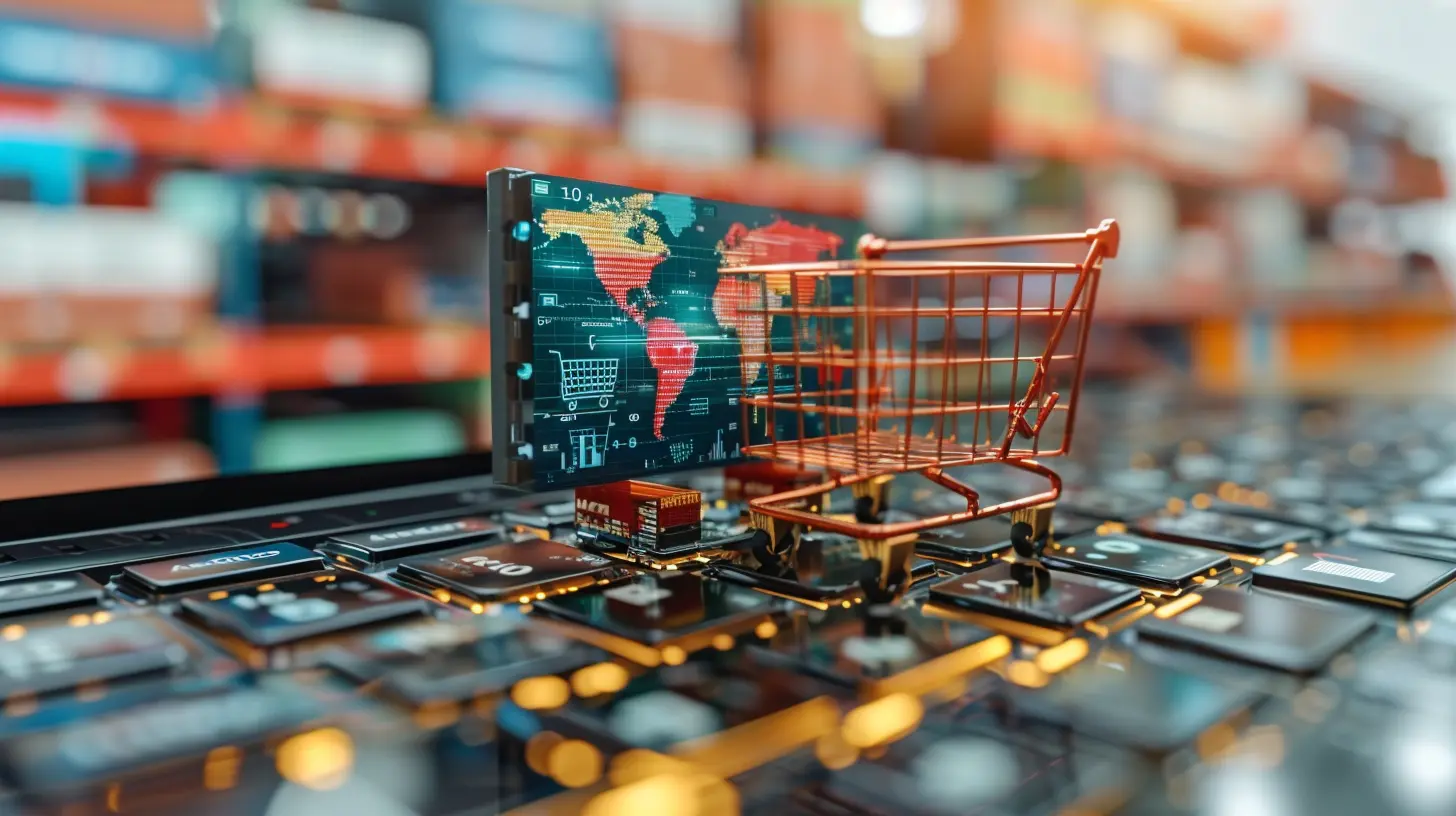
Challenges of E-commerce in Global Trade
Of course, no revolution comes without its challenges. While e-commerce has opened up countless opportunities, it's important to recognize the roadblocks businesses face in the global market.1. Cybersecurity and Fraud Risks
With great convenience comes great responsibility. Online transactions are vulnerable to fraud, hacking, and data breaches. Businesses must invest in strong cybersecurity measures to protect customer information and maintain trust.2. Cross-Border Regulations and Taxes
Selling internationally means dealing with complex regulations, duties, and taxes. Every country has different policies, and navigating them can be overwhelming, especially for small businesses.3. Competition and Market Saturation
The ease of starting an online business means that competition is fierce. Standing out among millions of online sellers requires smart SEO tactics, strong digital marketing strategies, and a unique brand identity.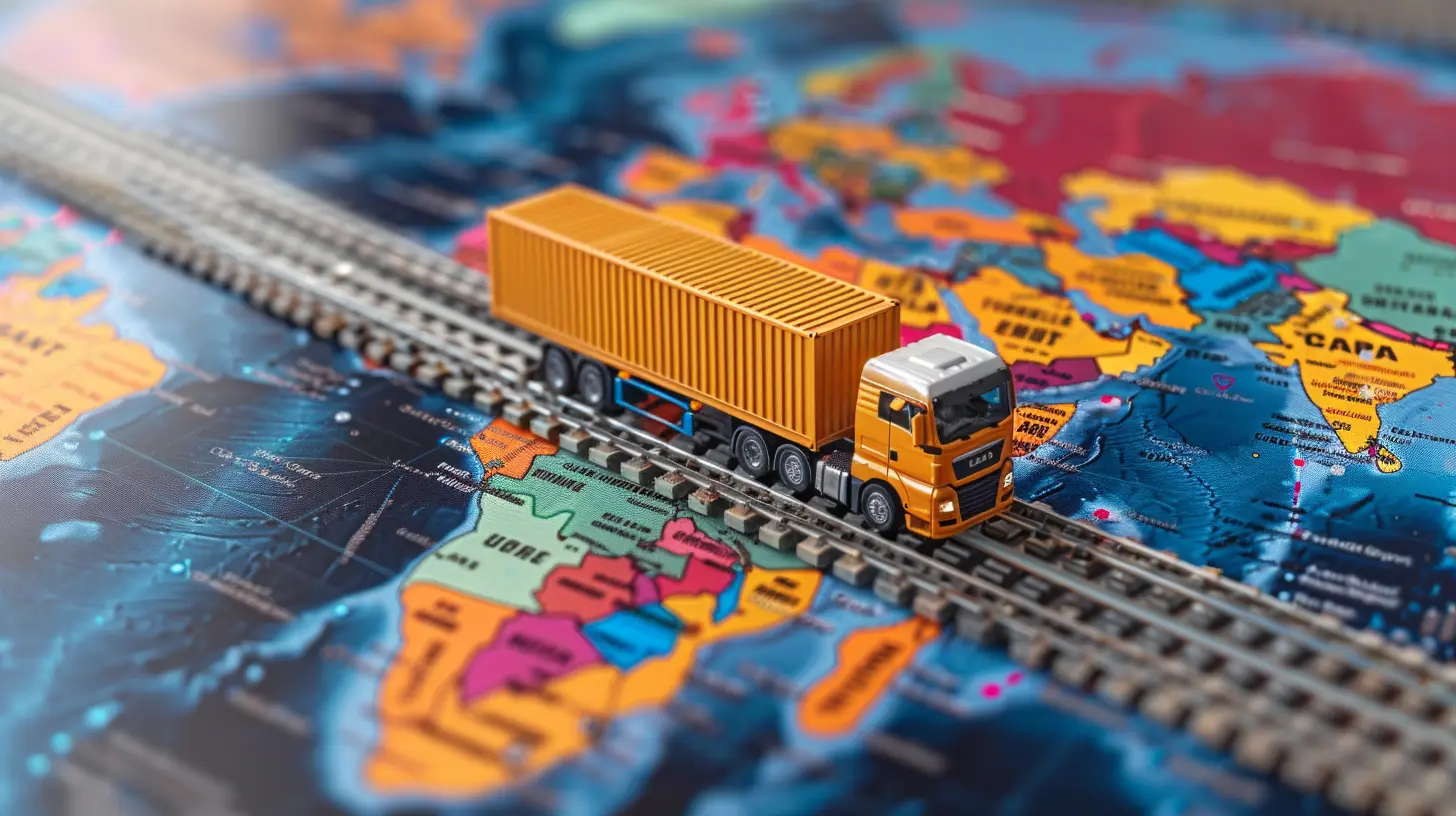
The Future of E-commerce in Global Trade
As technology evolves, so does e-commerce. Here’s what the future might hold:1. AI and Personalization
Artificial Intelligence (AI) is already shaping the e-commerce experience. From chatbots to personalized product recommendations, AI is set to make online shopping even more seamless and engaging.2. Expansion of Emerging Markets
Countries in Africa, Latin America, and Southeast Asia are experiencing rapid internet adoption and mobile commerce growth. As these markets expand, global trade will see an influx of new players and products, enriching the global economy.3. Sustainable and Ethical E-commerce
Consumers are now more conscious of where and how their products are made. The future of e-commerce will likely focus on sustainability, ethical sourcing, and eco-friendly practices, reshaping global trade in a positive way.Wrapping It Up
E-commerce isn’t just transforming how we shop—it’s reshaping global trade at an unprecedented scale. From democratizing market access to streamlining supply chains, the digital revolution is making it easier for businesses of all sizes to tap into global demand.Sure, challenges exist, but with advancing technology and evolving regulations, the future of global e-commerce looks promising. One thing’s for sure: whether you’re a consumer or a business owner, the world is now at your fingertips.
all images in this post were generated using AI tools
Category:
Global BusinessAuthor:

Caden Robinson