The Influence of Consumer Behavior on Supply Chain Adaptations
26 February 2026
Have you ever wondered how your late-night impulse buys or sudden cravings for eco-friendly products ripple through the world of business? Believe it or not, your shopping habits — and those of millions like you — are reshaping entire supply chains. Yep, consumer behavior has become the puppet master pulling the strings behind warehousing, logistics, production, and even global sourcing strategies.
In today’s digital-first, real-time world, businesses can’t afford to sit still. They need to listen, react, and stretch their supply chains in ways that meet shifting customer expectations. So, let’s pull back the curtain and dive into how your choices are influencing the way companies adapt and restructure their supply chains.
What Exactly Is Consumer Behavior?
Before we jump in, let’s lay the groundwork.Consumer behavior is all about how people decide to spend their money — what they buy, when they buy it, how often, and from where. It reflects a blend of psychology, economic trends, lifestyle preferences, and even social pressures.
So, when you start ordering groceries from your phone instead of going to the store, that's a huge signal to businesses. It says: "Hey, I want convenience, speed, and digital-friendly options." Guess what? Companies hear you loud and clear.
Why Supply Chains Can’t Ignore Consumer Behavior Anymore
Not too long ago, supply chains were like slow-moving ships — steady, predictable, and hard to turn around. But today? They’re more like speedboats — flexible, fast-moving, and responsive to consumer whims.Here’s the deal: consumer expectations are evolving at lightning speed. You want products faster, cheaper, and ethically sourced. You want same-day delivery. You want personalized packaging. Oh, and you want all that with a cherry on top of sustainability.
This means supply chains have to transform, and quickly. Otherwise, companies risk falling behind competitors who are better tuned in to what customers want.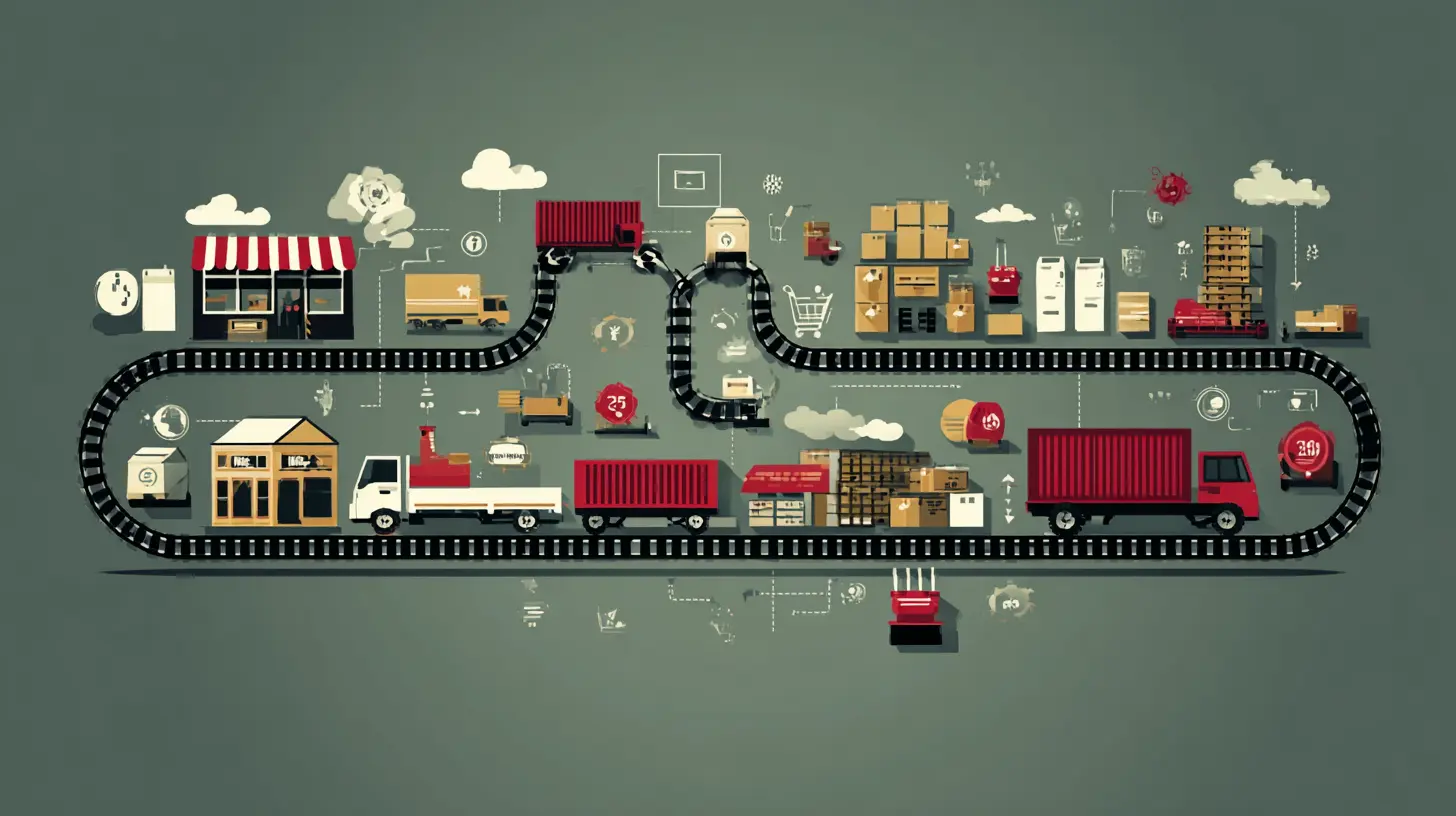
Real-Time Data = Real-Time Adaptations
Let’s talk tech for a second.Thanks to big data and AI, businesses now have access to real-time insights about customer behavior. That’s a game-changer because it allows companies to:
- Predict what you might buy next.
- Track buying patterns across regions.
- Forecast demand far more accurately.
So when there’s a spike in vegan ice cream in your city, suppliers can respond swiftly, making sure shelves are stocked (and your cravings are satisfied). Isn’t that neat?
The Rise of E-Commerce and Its Ripple Effect
Can we talk about the elephant in the room? Online shopping has totally flipped the script.Back in the day, most products flowed from manufacturer to distributor to retailer and finally to the customer. It was a linear, slow chain. Now, with the explosion of e-commerce, especially giants like Amazon, we’ve entered a whole new game.
Here’s how e-commerce changed the playbook:
- Direct-to-consumer (DTC) models are booming.
- Warehousing is going local to ensure fast delivery.
- Inventory management needs to be razor-sharp to avoid stockouts or overstocking.
- Returns processing has become a beast of its own (because we all love free returns, don’t we?).
Basically, the supply chain has become a customer-first machine.
Sustainability Is No Longer Optional
Today’s consumers care. And not just about prices or convenience. They want to know their clothes weren’t made in sweatshops. They want recyclable packaging. They want to shop with a conscience.Guess what that means for supply chains?
Major, massive, monumental changes.
Companies now need to:
- Audit suppliers for ethical practices.
- Use eco-friendly materials.
- Shorten transportation routes to cut emissions.
- Reduce plastic, and yes, even use biodegradable alternatives.
When businesses don’t take sustainability seriously, consumers vote with their wallets. And that sends shockwaves through the supply chain.
Customization: You Want It Your Way
We live in the age of customization. Want your sneakers with neon green soles? You got it. Prefer your protein bar with extra almonds? Done.But from a supply chain point of view, personalization is tough. It means businesses have to get super lean and agile. This could involve:
- Smaller batch production.
- Modular manufacturing systems.
- Warehouses with advanced picking tech for customized orders.
It’s all about balancing personalization without killing efficiency. Quite the tightrope walk, huh?
Social Media: The Wild Card
Let’s not underestimate the power of social media. A viral TikTok video can send demand for a once-obscure product through the roof overnight.What does that mean for a supply chain?
Well, it either kicks into high gear or collapses under pressure.
Companies now need contingency plans for these sudden surges. Think of it as having an “emergency response team” for viral trends. Flexible sourcing, rapid procurement, and quick shipping options? Absolutely essential.
Supply Chain Digitization: Keeping Up With the Crowd
To keep pace with unpredictable consumer behavior, supply chains need digital muscle.Here’s how digitization is helping:
- IoT devices monitor inventory in real time.
- AI forecasts future demand more accurately than ever.
- Blockchain ensures transparency in sourcing.
- Automation speeds up fulfillment and delivery.
All these tools help businesses stay two steps ahead — because being one step behind isn’t an option anymore.
The Domino Effect: One Buyer’s Choice Impacts Thousands
Let’s zoom out for a second.Imagine you and a hundred thousand others suddenly start buying oat milk instead of dairy. That signals farms to grow more oats, factories to adjust production lines, and retailers to reallocate shelf space. Even the logistics team has to rework storage and transportation because guess what? Oat milk has a different shelf-life and storage requirement than regular milk.
This is the domino effect in action. One consumer preference can ripple through the entire supply chain — from the farm to your fridge.
How Retailers Are Responding
Retailers aren’t just reacting — they’re getting proactive.Here’s what savvy companies are doing:
- Building regional warehouses to speed up delivery.
- Partnering with last-mile delivery services.
- Offering real-time tracking and flexible delivery slots.
- Using predictive analytics for smarter purchasing.
They’re not just riding the consumer wave; they’re building the surfboard.
Global vs. Local: The Geography of Demand
Once upon a time, outsourcing and global suppliers ruled the game. It was cheaper, and that’s all that mattered.But today’s consumers? They’re a little more complex.
Many want locally-made products. They care about supporting nearby businesses. They worry about global carbon footprints. That’s led to a trend called “nearshoring” — sourcing and producing closer to home.
It shortens delivery times, reduces emissions, and boosts trust. Win-win-win.
The Pandemic: A Crash Course in Consumer-Led Supply Chains
COVID-19 was the ultimate stress test.Suddenly, everyone wanted masks, sanitizers, home exercise gear, and bread-making supplies. Supply chains that couldn’t pivot fast enough crumbled (remember the toilet paper madness?).
The lesson? Flexibility isn’t a luxury; it’s survival.
Businesses that thrived during the chaos were the ones who listened to their customers, monitored behavior in real time, and adapted fast. That’s the future of supply chains.
The Feedback Loop: It's a Two-Way Street
Here’s the cool part: Consumers shape supply chains, but supply chains also influence consumer behavior.How?
- Faster delivery makes people more impulsive.
- Customization options make people pickier.
- Sustainability efforts make people more conscious.
It’s a never-ending dance between what people want and what businesses can deliver. And the tempo keeps picking up.
Final Thoughts: It’s All About You (Yes, Really)
At the end of the day, the entire supply chain — from raw materials to delivery drums — is orbiting around you, the consumer. Your behavior, preferences, and expectations are steering the ship.So next time you click that “Buy Now” button or choose one brand over another because of eco credentials, just remember: You're not just shopping. You’re making waves across the entire business landscape.
And companies? They’re listening, adapting, and innovating like never before.
all images in this post were generated using AI tools
Category:
Supply Chain ManagementAuthor:

Caden Robinson
Discussion
rate this article
2 comments
Zain Lewis
Great insights! Understanding consumer behavior is crucial for effective supply chain adaptations. Your article highlights the key connections beautifully. Well done!
March 29, 2026 at 4:03 AM
Caden Robinson
Thank you! I'm glad you found the insights valuable. Understanding consumer behavior truly is essential for effective supply chain strategies.
Oriana Sullivan
Oh great, just what we needed—a reminder that consumers have opinions! Next, they’ll be telling us how to design our supply chains. Fabulous!
February 28, 2026 at 4:23 AM
Caden Robinson
I get your point! Consumer opinions can feel overwhelming, but they often drive positive change in supply chains. It's about finding balance.