The Importance of End-to-End Visibility in Supply Chain Operations
31 January 2026
Let’s paint a picture. Imagine trying to finish a massive jigsaw puzzle blindfolded. You might get lucky once or twice, but most of the time, you’ll end up confused, frustrated, and nowhere near completing it. That’s exactly what operating a supply chain without end-to-end visibility feels like.
In today’s fast-paced, demand-driven world, businesses can’t afford to fly blind. With customer expectations through the roof, even the slightest delay or miscommunication can spiral into a disaster. That’s why end-to-end visibility in supply chain operations isn’t just a “nice-to-have”—it’s absolutely essential.
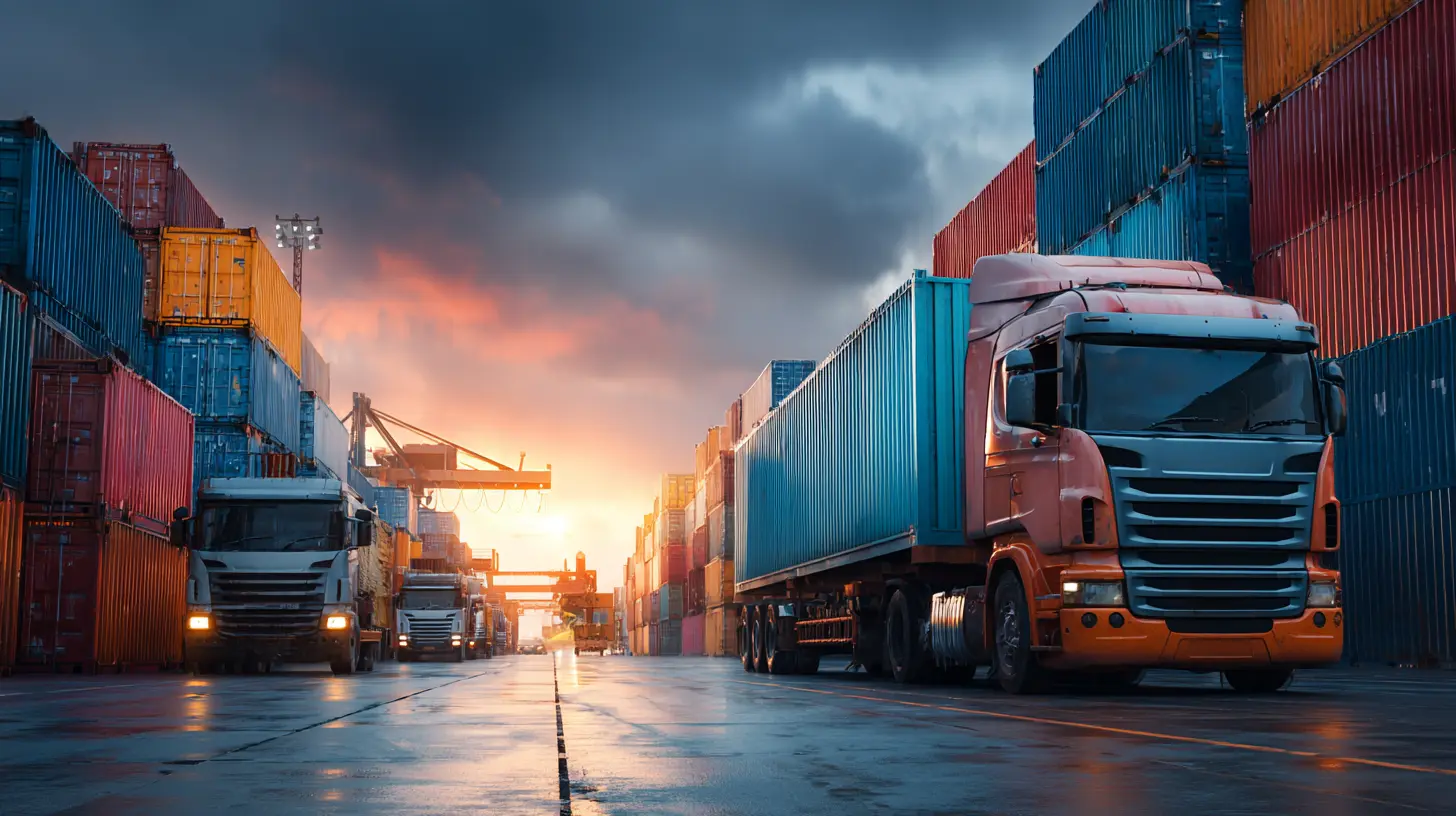
What Is End-to-End Visibility?
End-to-end (E2E) visibility is like a GPS for your supply chain. It gives you a clear, real-time view of every moving part in your operation—from sourcing raw materials all the way to delivering the final product to your customer’s hands.It connects all the dots: suppliers, manufacturers, warehouses, transportation providers, and even customers. When you've got that level of transparency, you're not just making informed decisions—you’re making them fast and confidently.
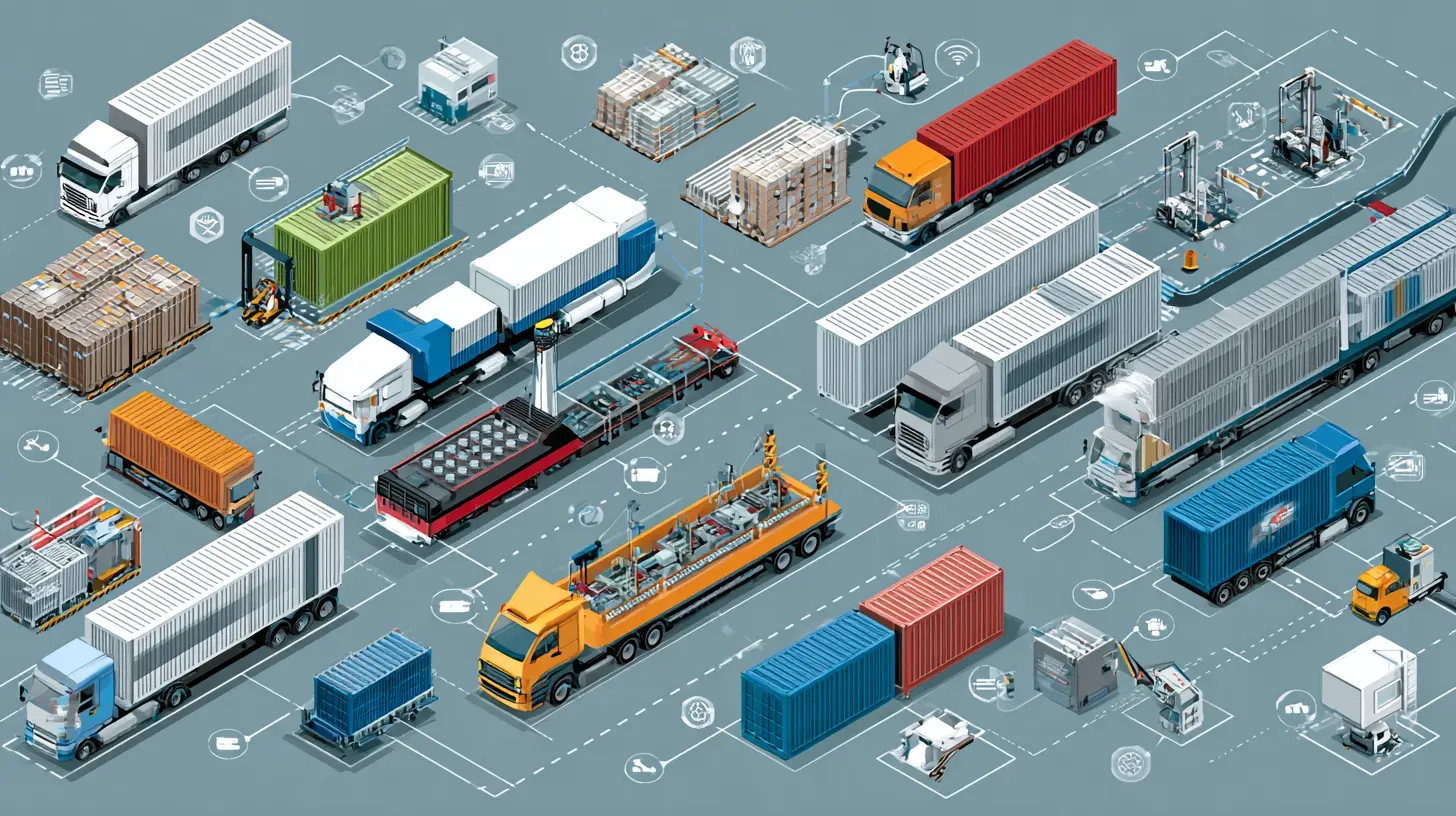
Why Does It Matter?
Let’s be honest, supply chains are no longer straightforward. They’ve turned into complex networks that span continents. One hiccup in one corner of the world can create chaos on the other side. So, how do you stay in control?End-to-end visibility is your best bet. It helps you:
- Catch problems before they explode
- Improve planning and forecasting
- Cut down costs
- Delight your customers (because who doesn’t love on-time delivery?)
Let’s dive deeper into why visibility should be top of your priority list.
1. Real-Time Tracking Means Real-Time Control
Wouldn’t it be great to know exactly where your shipments are at any given moment? With E2E visibility, real-time tracking is no longer a futuristic dream—it’s a reality.You can monitor shipments as they move, detect delays instantly, and reroute if needed. Whether it’s a container stuck at customs or a delivery truck caught in traffic, you’ll know about it before your customer does.
And here’s a pro tip: being able to communicate delays before they become complaints? That’s how you earn loyalty.
It’s Like Waze, But for Your Logistics
Just like how Waze helps you dodge traffic jams, E2E visibility helps you avoid supply chain disruptions. Would you ever drive cross-country without a GPS? No? Exactly.
2. Tighter Inventory Management
Let’s talk about inventory. Too much of it gathers dust. Too little, and you risk stockouts.End-to-end visibility helps you strike the perfect balance. By monitoring demand patterns and tracking supplies in real-time, you get better at predicting when and where you’ll need stock. That means:
- Fewer overstock situations
- Reduced carrying costs
- Less waste
- Happier customers
Think of It As a Crystal Ball for Inventory
Not the spooky, fortune-teller kind—but one that actually works. Having visibility into trends and supplier performance lets you make smarter inventory decisions.3. Supply Chain Agility—Because Plans Change
If the pandemic taught us anything, it's this: things rarely go as planned. A global crisis, a stuck cargo ship (we all remember the Ever Given, right?), or even a local labor strike can throw things off balance.With full visibility, you’re not left scrambling. You can pivot quickly, find alternative suppliers, adjust routes, or shift production. That agility gives you a serious competitive edge.
Think of It Like Yoga for Your Supply Chain
Flexible. Balanced. Ready to adapt. When you can see what’s coming and where you're vulnerable, you can bend without breaking.4. Better Collaboration Across the Board
Silos are for grain, not businesses. Still, many companies operate with fragmented systems that don’t talk to each other.End-to-end visibility breaks down those barriers. Suppliers, third-party logistics providers, warehouse operators—they all get access to the same, up-to-date information. That makes coordination smoother and decision-making faster.
It’s Like Moving From a Whisper Game to a Group Chat
Instead of passing messages through multiple layers and hoping they arrive intact, everyone’s in the loop instantly. Fewer misunderstandings, more productivity.5. Improved Risk Management
Ever felt blindsided by a supply chain hiccup? You're not alone. But with real-time data and predictive analytics, you shift from reactive to proactive. You don’t just respond to risks—you anticipate them.Identify weak links in your chain, spot inconsistent suppliers, or flag delays before they mess up your timeline. That's not just good management—it’s smart business.
Imagine Having a Weather Forecast for Your Supply Chain
You wouldn’t plan a beach day without checking the weather. So, why run a supply chain without forecasting potential disruptions?6. Enhanced Customer Experience
At the end of the day, it’s all about the customer. They want their products fast, on-time, and they want updates if things go sideways.With E2E visibility, you can provide that. Shipment tracking, accurate delivery windows, proactive communication—it all adds up to a better experience.
Your Customers Feel Like VIPs
When customers feel informed and respected, they stick around. Good visibility isn’t just logistics—it’s customer service on steroids.7. Data-Driven Decisions Are Smarter Decisions
You’ve probably heard the phrase “data is the new oil.” Well, visibility provides the refinery.With a full view of your operations, you can spot inefficiencies, track performance, analyze trends, and optimize every part of the supply chain. No more gut decisions—just cold, hard data backing every move.
It’s Like Having X-ray Vision Into Your Operation
You’re not just scratching the surface; you’re seeing deep into the bones of your supply chain. That kind of insight transforms good operations into great ones.How to Implement End-to-End Visibility
Now you’re probably thinking, “This sounds amazing, but how do I actually DO it?”Here are a few steps to get started:
1. Invest in the Right Tech
You’ll need tools like:- Supply chain management platforms
- IoT devices and sensor tech
- Cloud-based systems
- AI-powered analytics
- Blockchain (for added transparency)
These tools gather, process, and visualize your data in real-time.
2. Integrate Systems
Stop operating in silos. Make sure your ERP, CRM, WMS, and TMS can all talk to each other. Integration is key to consistent data flow.3. Build Strong Partnerships
Visibility isn’t a solo effort. Get your vendors, carriers, and logistics partners on board. The more data you share, the stronger the network becomes.4. Start Small, Scale Up
You don’t need to overhaul everything overnight. Pick one part of your supply chain—like your last-mile delivery—and start there. See the wins, then expand.Common Roadblocks (and How to Overcome Them)
Sure, getting visibility sounds great, but it’s not always smooth sailing. Here are a few bumps you might hit:- Data Overload: Too much data can be as bad as not enough. Use dashboards and filters to focus only on what matters.
- Resistance to Change: Some teams might be set in their ways. Show them the benefits and get early buy-in.
- Poor Data Quality: Garbage in, garbage out. Set clear data standards and clean up your inputs.
- Security Concerns: More data sharing = more risk. Choose secure platforms and enforce access controls.
Remember, bumps in the road shouldn’t stop the journey—they just require better shock absorbers.
Final Thoughts
End-to-end visibility isn’t just a buzzword—it’s the foundation of a modern, resilient, and efficient supply chain. Without it, you're operating in the dark, reacting instead of planning, and risking everything from customer satisfaction to long-term profitability.But with it? You're in control. You can see what’s coming, adjust on the fly, and deliver value at every step. In a world where speed, accuracy, and transparency matter more than ever, that kind of power isn’t optional—it’s a necessity.
So, if you’re not already investing in visibility, now’s the time. Because believe me, your competitors are.
all images in this post were generated using AI tools
Category:
Supply Chain ManagementAuthor:

Caden Robinson
Discussion
rate this article
2 comments
Bianca McDonald
Great insights! Emphasizing end-to-end visibility truly enhances operational efficiency and fosters stronger collaboration across the supply chain. Keep up the great work!
March 1, 2026 at 3:16 AM
Caden Robinson
Thank you! I'm glad you found the insights valuable. End-to-end visibility is indeed crucial for optimizing supply chain operations.
Gwen Chapman
In shadows cast by distance and time, End-to-end visibility brings harmony, a seamless rhyme.
January 31, 2026 at 5:40 AM
Caden Robinson
Thank you! Indeed, end-to-end visibility is crucial for creating harmony in supply chain operations, allowing for better decision-making and responsiveness.