The Impact of Geopolitical Factors on Global Supply Chains
4 February 2026
Global supply chains are the backbone of modern trade, ensuring goods move seamlessly from one country to another. But what happens when politics interferes? Geopolitical factors—government policies, trade wars, sanctions, and even military conflicts—can shake up supply chains in ways that affect businesses and consumers alike.
In this article, we’ll dive into how geopolitics influences global trade, the challenges businesses face, and strategies companies can use to adapt.
What Are Geopolitical Factors?
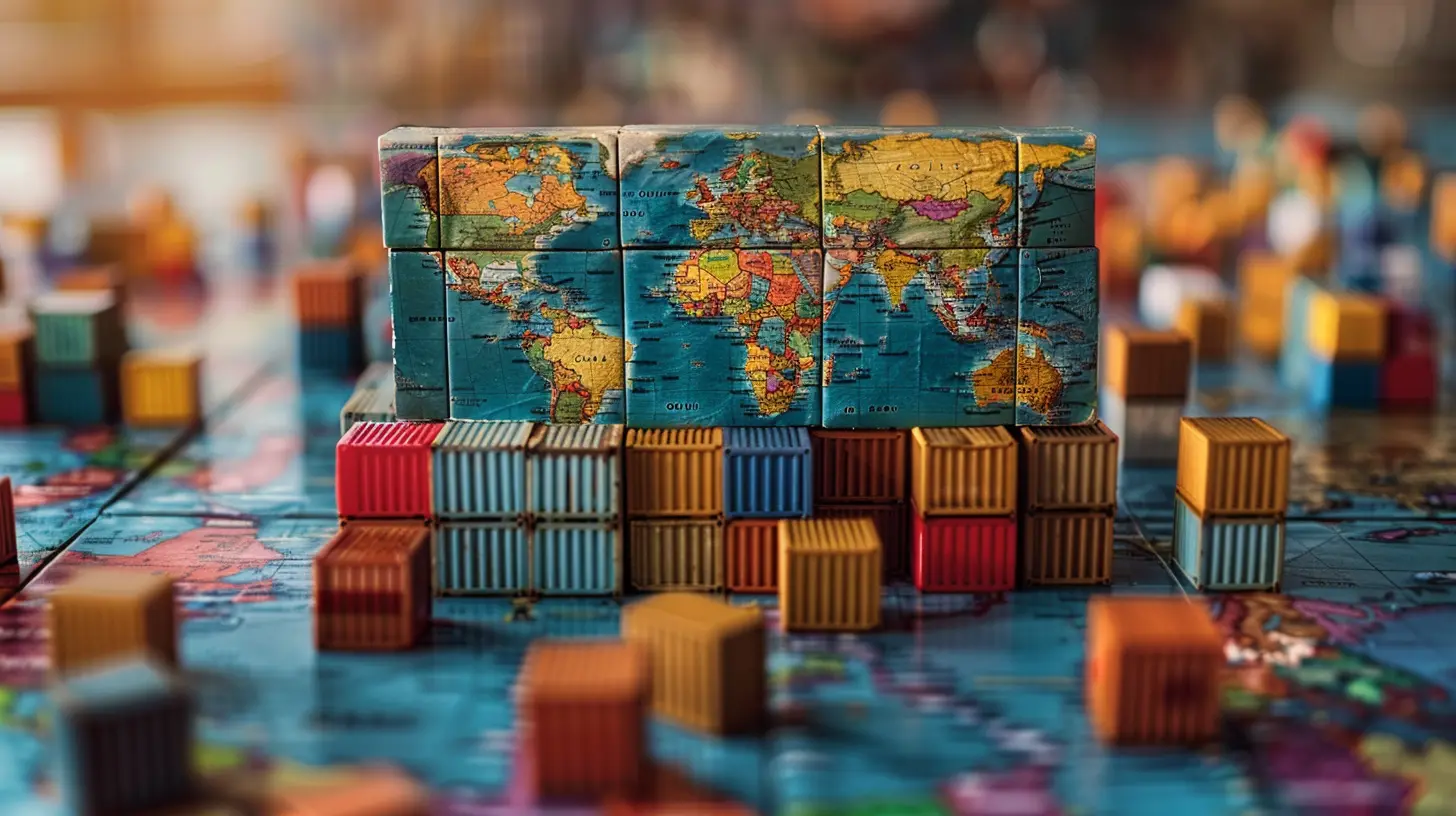
Before we look at their impact, let’s define what we’re talking about. Geopolitical factors include:- Trade Policies & Tariffs – Governments impose tariffs (taxes on imports) and trade restrictions, affecting how goods move across borders.
- Economic Sanctions – Countries might cut trade ties with another nation as a political move.
- Political Stability – Wars, conflicts, or even government changes can disrupt business operations.
- International Relations – Diplomatic tensions between countries impact trade agreements and supply chain routes.
- Regulatory Changes – New laws on imports, exports, or labor can force businesses to adjust their supply chains.
How Geopolitics Impacts Global Supply Chains
1. Trade Wars and Tariffs Increase Costs
Remember the U.S.-China trade war? When the U.S. imposed tariffs on Chinese goods, China retaliated with its own. The result? Higher costs for raw materials, electronics, and countless other products.Businesses had two choices: absorb the costs or pass them on to consumers. Either way, someone had to pay. This kind of uncertainty makes long-term supply chain planning tough.
2. Economic Sanctions Limit Suppliers
Sanctions can turn a reliable supplier into an off-limits one overnight. For example, U.S. sanctions on Iran made it nearly impossible for American companies to do business there. Businesses dependent on Iranian oil or products had to scramble to find alternative sources.If you're heavily reliant on a country under sanctions, you’ve got a serious problem. Companies often have to diversify suppliers to avoid getting caught in a geopolitical crossfire.
3. Wars and Conflicts Disrupt Logistics
Wars don’t just cause human suffering—they wreak havoc on supply chains. Take the Russia-Ukraine conflict. Ukraine is a key exporter of wheat and metals. But due to the war, shipping was disrupted, and prices skyrocketed.Conflict zones also create logistical nightmares: blocked trade routes, destroyed infrastructure, and restricted airspace. For businesses, rerouting supplies often means delays and extra costs.
4. Political Instability Creates Uncertainty
A government change can mean new policies, new regulations, and, sometimes, instability. If a new leader introduces extreme trade regulations or nationalizes industries, foreign companies operating there could take a hit.For example, Brexit sent shockwaves through European supply chains. Companies had to rethink distribution routes, deal with new customs regulations, and adjust pricing due to fluctuating exchange rates.
5. Supply Chain Bottlenecks and Delays
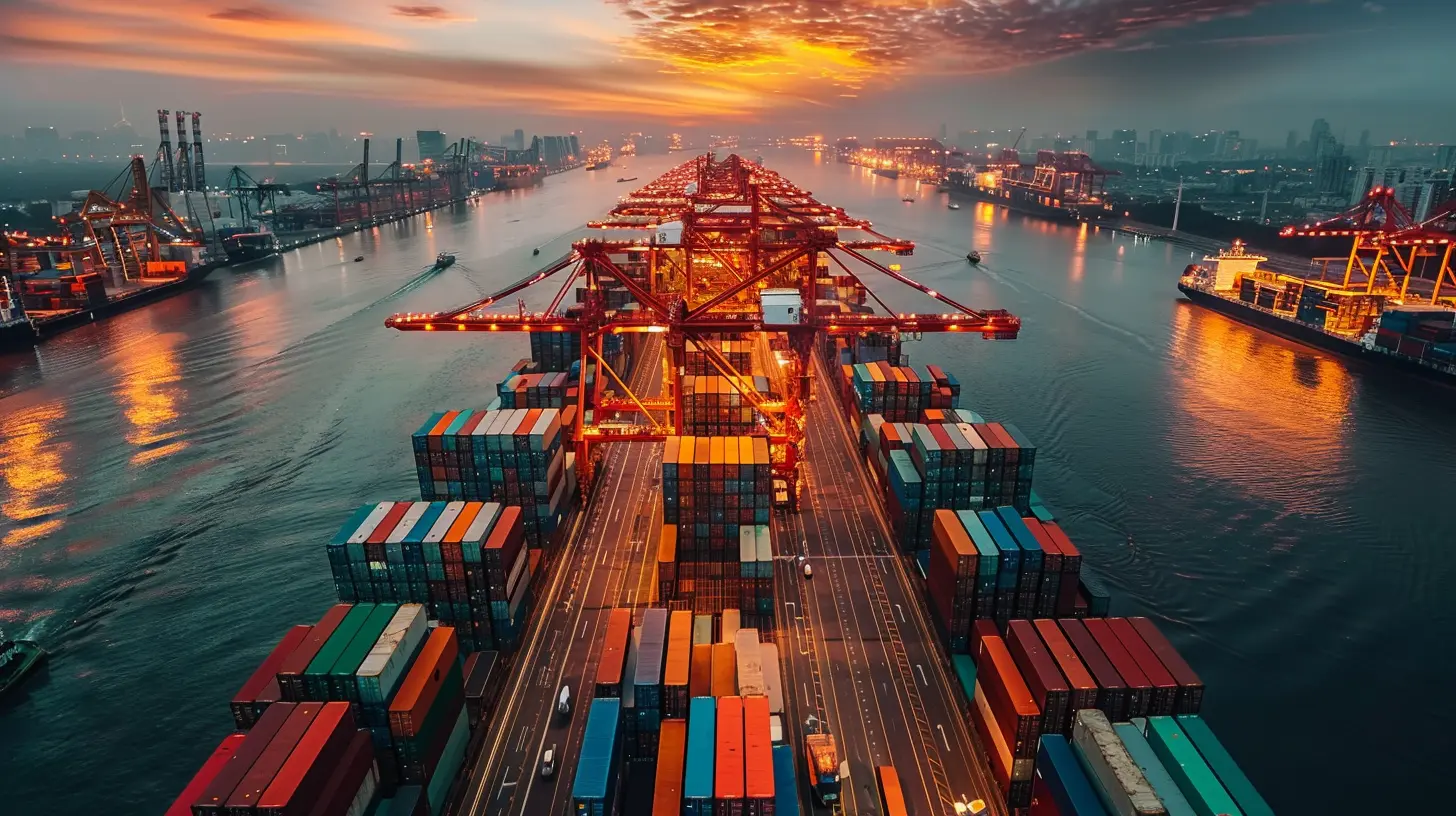
Geopolitical factors don’t just raise costs—they cause delays.Take the Suez Canal blockage in 2021. A single stuck container ship (Ever Given) caused a massive supply chain crisis, delaying thousands of shipments globally. Now, imagine if an international crisis caused key trade routes to shut down.
Tensions in the South China Sea, for instance, could severely disrupt global shipping. Since around 30% of the world’s trade moves through this region, any conflict here would be catastrophic for supply chains worldwide.
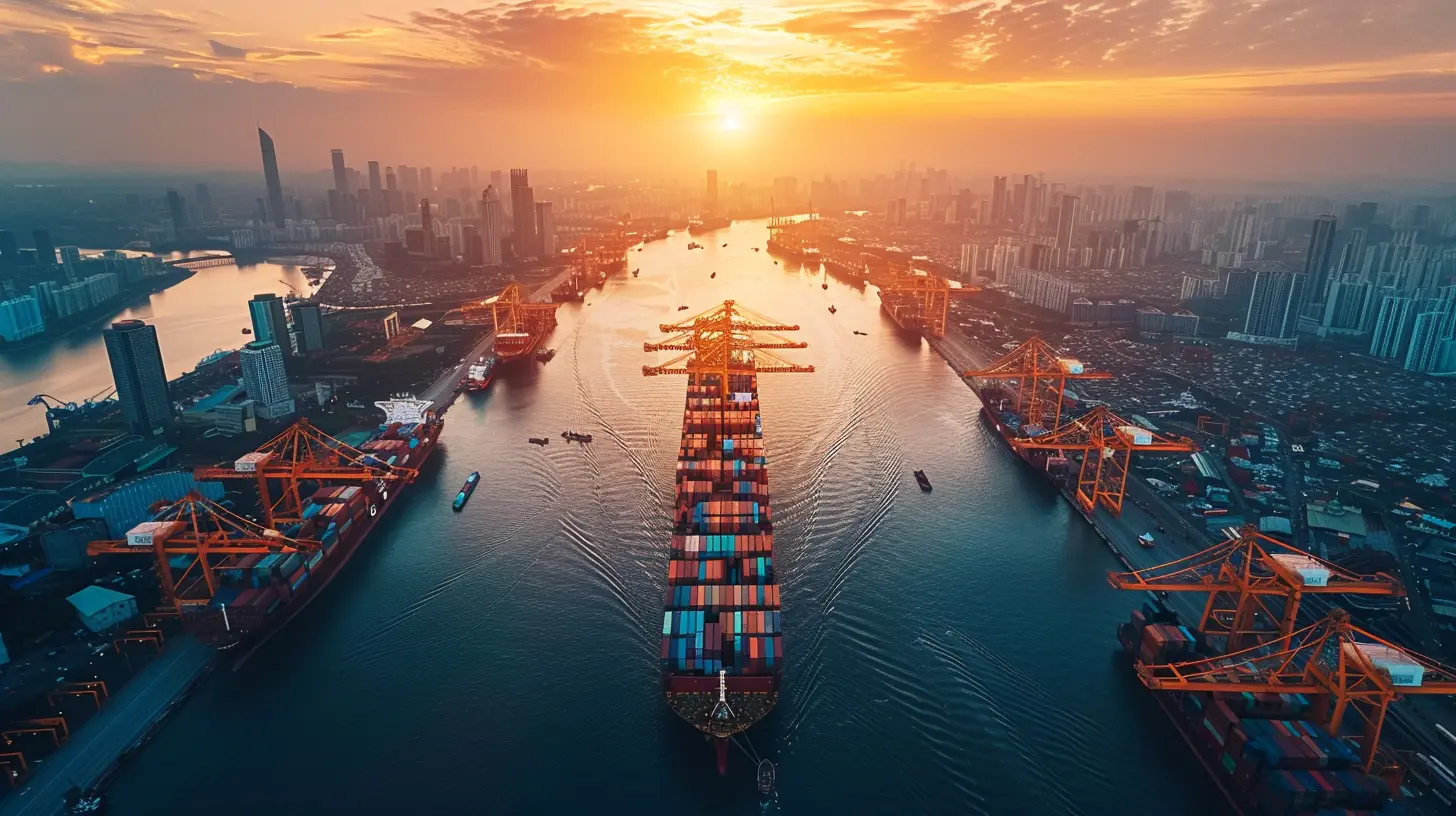
How Businesses Can Adapt to Geopolitical Risks
Knowing that geopolitics is unpredictable, businesses need to be proactive. Here are some key strategies to future-proof supply chains:1. Diversify Suppliers and Manufacturing Locations
If all your suppliers are in one country, you're vulnerable. Diversifying suppliers across multiple countries can reduce risk. Many companies are now moving production away from China and into places like Vietnam, India, and Mexico to avoid potential trade restrictions.2. Increase Local and Regional Sourcing
The “just-in-time” supply model is efficient, but it’s not always resilient. Some businesses are shifting to “just-in-case” models, keeping extra inventory or sourcing more from local suppliers to reduce their dependence on geopolitically sensitive regions.3. Use Digital Tools for Supply Chain Visibility
Technology plays a crucial role in managing geopolitical risks. Companies use AI, blockchain, and real-time tracking systems to monitor shipments and anticipate disruptions before they happen.For example, predictive analytics can forecast potential supply chain interruptions if a country is heading toward political turmoil. This helps businesses stay ahead and adjust plans accordingly.
4. Stay Agile with Supply Chain Flexibility
Rigid supply chains break easily. Flexible ones can adapt. Companies that can quickly pivot to alternative suppliers, use different shipping routes, or even switch product components when needed will fare better.A great example? When the U.S.-China trade war made Chinese imports expensive, tech companies like Apple started shifting production to India and Vietnam. Businesses that can adapt like this will survive better in unstable times.
5. Strengthen Trade Compliance and Risk Assessments
Keeping up with changing trade laws, tariffs, and sanctions is critical. Companies must have strong compliance teams to ensure they’re not caught off guard by sudden regulatory changes.A single missed compliance update could lead to heavy fines, supply chain disruptions, or even halted operations. Investing in legal and geopolitical expertise is no longer optional—it’s a necessity.
What’s Next? The Future of Global Supply Chains
The world is unpredictable. Conflicts, political shifts, and economic changes will always be part of global trade. But businesses can stay prepared with strong supply chain strategies.Some trends we’re likely to see in the future:
- More Regionalization – Instead of relying on global networks, expect more companies to manufacture and source regionally.
- Resilient Supply Chains – Businesses will focus on long-term resilience rather than just cost-cutting.
- Stronger Use of Technology – AI, blockchain, and automation will play a huge role in managing supply chain complexities.
At the end of the day, geopolitics and supply chains are deeply connected. Companies that stay informed, flexible, and proactive will be the ones that succeed in this ever-changing global landscape.
all images in this post were generated using AI tools
Category:
Supply Chain ManagementAuthor:

Caden Robinson
Discussion
rate this article
2 comments
Echo McKeehan
Geopolitical factors are pivotal in shaping global supply chains. Businesses must remain agile and proactive in their strategies, fostering resilience and adaptability to navigate uncertainties. Understanding these dynamics is essential for sustainable growth in an increasingly interconnected world.
March 8, 2026 at 3:40 AM
Caden Robinson
Thank you for your insightful comment! Indeed, agility and adaptability are crucial for businesses to thrive amidst geopolitical uncertainties. Understanding these dynamics is vital for sustainable growth in today's interconnected landscape.
Ashley Dodson
Geopolitical factors are the new currency in global supply chains. As alliances shift and tensions rise, businesses must recalibrate their strategies to navigate this complex landscape. Adaptability isn’t just an asset; it’s a necessity for survival in today's interconnected market.
February 5, 2026 at 4:14 AM
Caden Robinson
Absolutely! Geopolitical dynamics are reshaping supply chains, making adaptability essential for businesses to thrive in this volatile environment.