The Future of Urban Mobility by 2026
20 April 2026
Urban mobility is an ever-evolving landscape, shaped by technological advancements, environmental concerns, and the shifting needs of city dwellers. As we look ahead to 2026, it’s crucial to envision how our cities will adapt to the pressing challenges of congestion, pollution, and accessibility. So, buckle up as we dive into the exciting world of urban mobility and what the future holds!
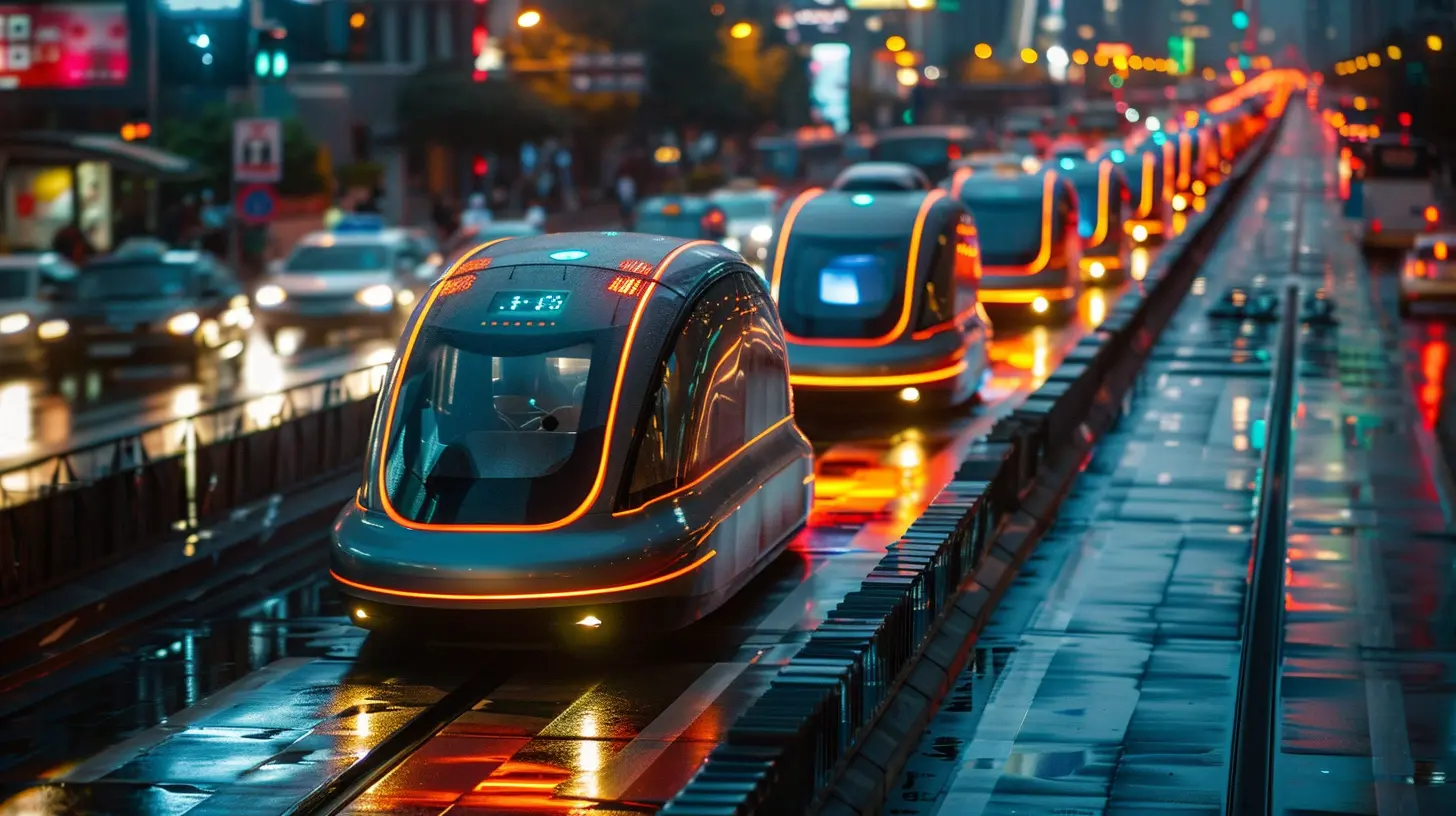
Understanding Urban Mobility
Urban mobility refers to the movement of people and goods within urban areas. It encompasses various transportation modes, including cars, buses, bicycles, and even walking. But here’s the thing: as cities grow, the way we move around them needs to change. Think of it like trying to fit a square peg into a round hole; if we don’t adapt, we’ll create more problems than solutions.The Challenges We Face
Before we can dream about the future of urban mobility, let’s take a moment to acknowledge the hurdles we’re currently facing.1. Congestion: If you’ve ever been stuck in traffic, you know just how frustrating it can be. According to the Texas A&M Transportation Institute, congestion costs the US economy over $166 billion annually. That’s a lot of lost time and money!
2. Pollution: With urban areas densely populated, air quality has taken a hit. Transportation is one of the leading contributors to urban air pollution, and that’s a problem we can’t ignore.
3. Accessibility: Not everyone has equal access to transportation. Those in underserved communities often find it challenging to get to work, school, or healthcare facilities.
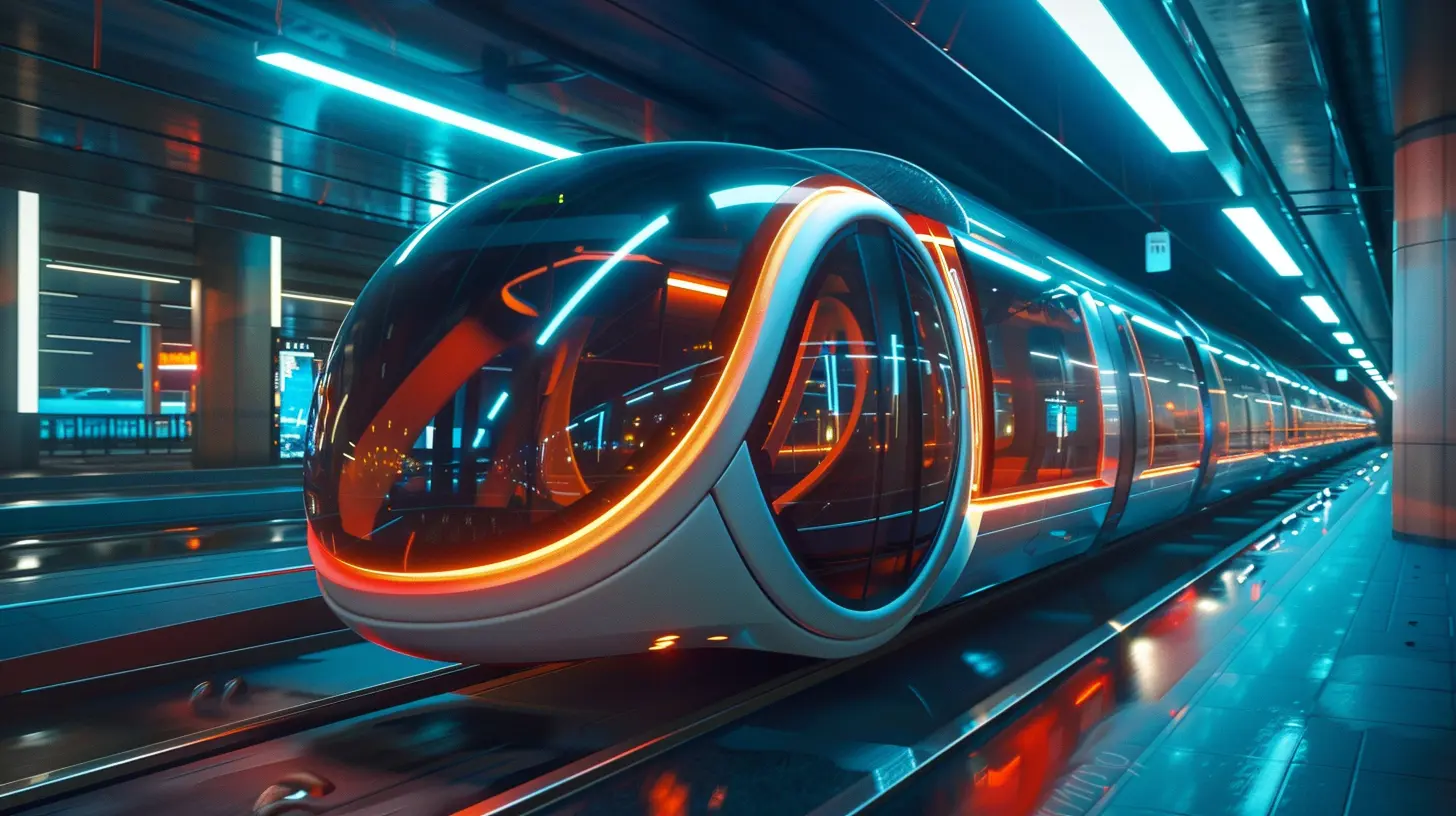
The Technological Revolution
Imagine a world where your car can drive itself while you catch up on your favorite podcast. Sounds dreamy, right? Well, that future isn’t as far away as you might think. By 2026, we’re likely to see significant advancements in technology that will reshape urban mobility.Autonomous Vehicles (AVs)
Autonomous vehicles are poised to revolutionize how we navigate our cities. With companies like Waymo and Tesla leading the charge, self-driving cars are becoming more sophisticated. These vehicles promise to reduce accidents, lower traffic congestion, and even optimize parking.But let’s not forget: the transition to AVs won’t happen overnight. We’ll need to create robust infrastructure, update traffic laws, and ensure public safety. Still, the potential benefits are staggering. Imagine a city where everyone has access to safe and reliable transportation, regardless of their income level or physical ability.
Electric Vehicles (EVs)
The rise of electric vehicles is another game-changer. With growing concerns over climate change, cities are pushing for cleaner transportation options. By 2026, we can expect a significant increase in EV adoption, aided by government incentives, advancements in battery technology, and an expanding network of charging stations.Picture this: a bustling city filled with quiet, emission-free cars gliding along the streets. Not only would this reduce pollution, but it would also enhance the quality of life for urban residents.
Mobility as a Service (MaaS)
MaaS is the idea of integrating various transportation services into one accessible platform. Imagine using a single app to plan your journey, book a bike, summon a ride-share, and even pay for public transportation. By 2026, this concept could become a reality, transforming how we think about getting from point A to point B.This seamless integration could alleviate congestion by encouraging people to use a mix of transportation options rather than relying solely on their cars. Plus, it would make transportation more accessible for everyone, regardless of their tech-savviness.
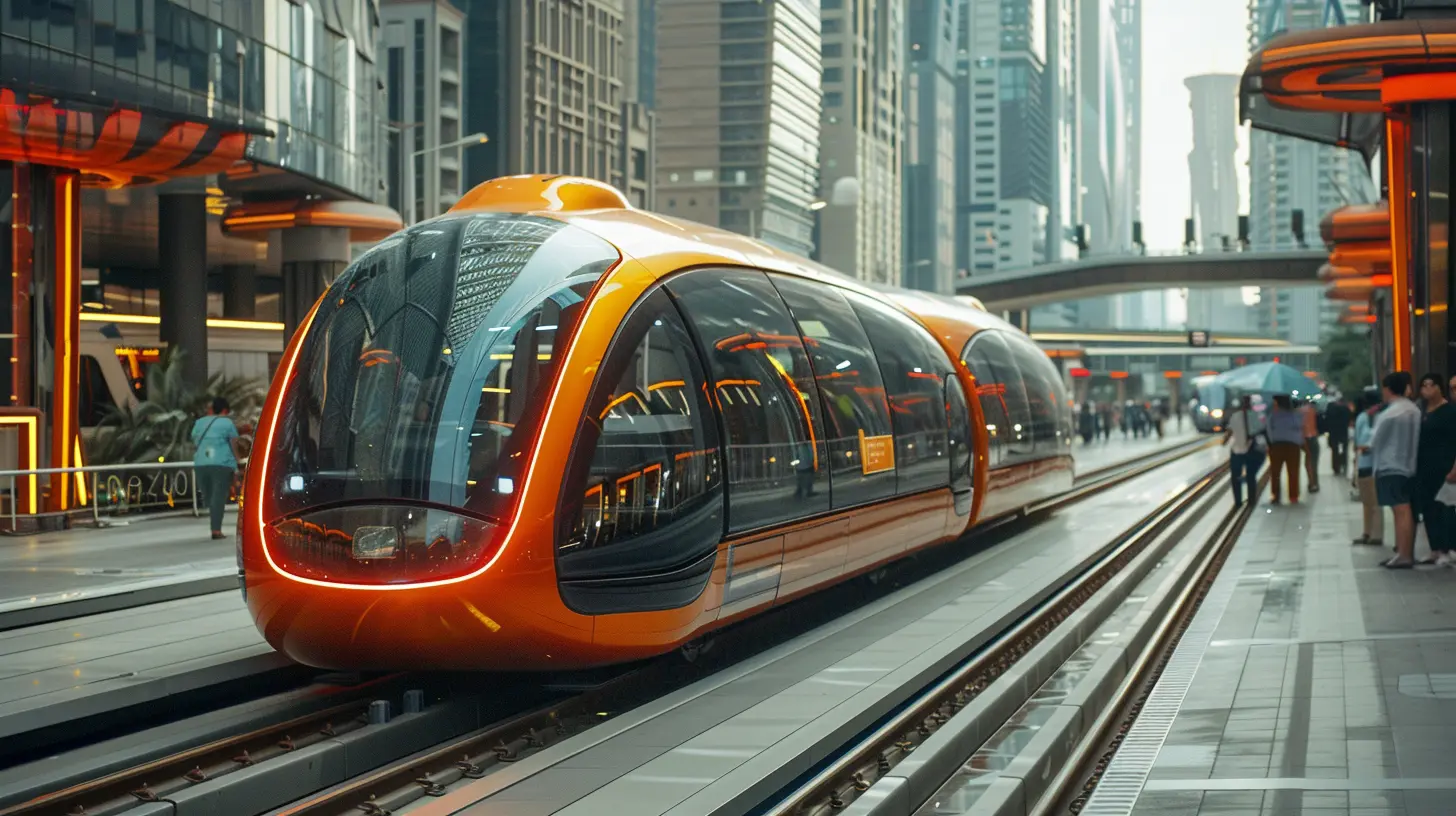
Rethinking Infrastructure
As we move toward a more integrated future in urban mobility, we must also consider the infrastructure that supports it. Traditional roads and highways may not cut it anymore. Here are a few ideas that could reshape our urban landscapes.Smart Roads
Imagine roads that can communicate with vehicles, providing real-time data on traffic conditions, weather, and potential hazards. Smart roads could optimize traffic flow, reduce accidents, and enhance overall safety. By 2026, this technology is likely to be in use in major urban areas, making commutes smoother and more predictable.Mixed-Use Developments
Urban planners are increasingly recognizing the value of mixed-use developments, where residential, commercial, and recreational spaces coexist. These neighborhoods encourage walking, cycling, and the use of public transportation, reducing reliance on cars. By creating environments that promote mobility, cities can tackle congestion and pollution head-on.Green Spaces
Let’s not forget about green spaces! Parks, pedestrian pathways, and cycling lanes contribute to a thriving urban ecosystem. They not only improve air quality but also enhance the overall quality of life for residents. By 2026, we can expect cities to prioritize green infrastructure as part of their urban mobility strategy.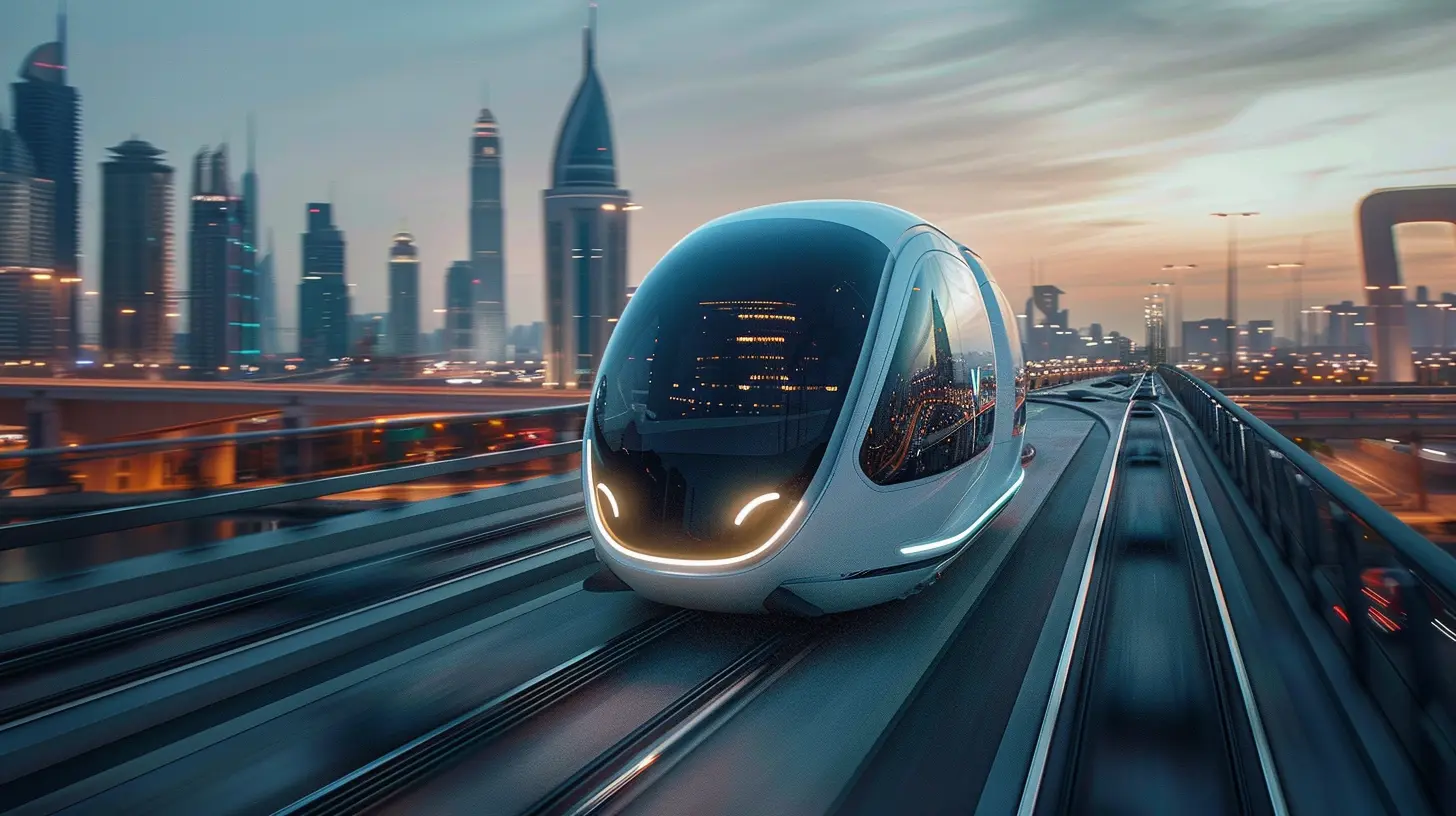
The Rise of Public Transportation
Public transportation has long been the backbone of urban mobility. By 2026, we can expect innovations that will make these systems more efficient and user-friendly.Electrified Public Transit
Many cities are already transitioning to electric buses and trams. This shift not only reduces emissions but also cuts down on noise pollution. Imagine hopping on a silent, eco-friendly bus that gets you to your destination in record time. By 2026, electrified public transit will likely become the norm in cities worldwide.On-Demand Transit Services
Ever heard of ride-pooling? It’s like carpooling but with an app! By 2026, we’ll see more on-demand transit services that allow riders to share trips with others heading in the same direction. This approach can enhance the efficiency of public transportation, reduce costs, and minimize the number of vehicles on the road.The Role of Policy and Governance
As we look to the future, it’s essential to understand that technology alone won’t solve our urban mobility challenges. Policy and governance play a crucial role in shaping how we adapt to these changes.Investment in Infrastructure
To support the advancements in urban mobility, cities must invest in infrastructure. This includes not only physical infrastructure like roads and public transit systems but also digital infrastructure to support smart technologies.Regulation of New Technologies
As new technologies emerge, regulations will be necessary to ensure safety and accessibility. For example, how do we regulate autonomous vehicles? What laws need to be put in place to protect pedestrians and cyclists? By 2026, we can expect cities to grapple with these questions and implement policies that promote safe and equitable urban mobility.Community Engagement
Urban mobility solutions must be developed with community input. By engaging residents in the planning process, cities can create transportation solutions that meet the needs of all citizens. After all, who knows better about their daily commutes than the people who experience them firsthand?
Preparing for the Future
So, what can we do to prepare for this exciting future of urban mobility? Here are a few steps individuals and communities can take:1. Stay Informed: Keep an eye on trends and developments in urban mobility. The more you know, the better equipped you’ll be to adapt to changes.
2. Advocate for Change: Support local initiatives that promote sustainable transportation options. Whether it’s pushing for more bike lanes or advocating for improved public transit, your voice matters.
3. Embrace New Technologies: As new transportation options become available, don’t shy away from trying them out. Whether it’s an electric scooter or a ride-sharing service, being open to change can enhance your mobility experience.
4. Be Mindful of Your Impact: Consider your transportation choices and their environmental impact. Small changes, like opting for public transit or carpooling, can add up over time.
Conclusion
The future of urban mobility by 2026 is likely to be a thrilling ride. With advancements in technology, innovative infrastructure, and a commitment to sustainability, our cities could transform into efficient, accessible, and eco-friendly spaces. While challenges remain, the potential for positive change is immense. Are you ready to embrace the journey ahead?all images in this post were generated using AI tools
Category:
Industry AnalysisAuthor:

Caden Robinson
Discussion
rate this article
2 comments
William Roth
Urban mobility by 2026 will hinge on integrating technology and sustainability. Emphasizing shared solutions and efficient public transport can redefine city living, making it greener and more connected.
June 6, 2026 at 3:49 AM
Caden Robinson
Absolutely. A focus on technology and sustainability is key to transforming urban mobility. Shared solutions and efficient public transport will really enhance city life.
Deborah Chapman
Exciting insights! Let's prioritize sustainability and accessibility for all in urban mobility.
April 21, 2026 at 10:50 AM
Caden Robinson
Thanks for your comment! Absolutely, prioritizing sustainability and accessibility is key for shaping the future of urban mobility.