The Evolution of Supply Chains in the Age of Global Trade
30 May 2026
Supply chains—those invisible threads that hold the global economy together—have come a long, long way from their humble beginnings. If you’ve ever wondered how your smartphone arrived at your doorstep, or why certain products are suddenly out of stock, then you’ve already been affected by the intricate web of global supply chains.
But here’s the kicker: supply chains don’t just move stuff—they move economies. And in the age of global trade, they’ve evolved in ways our grandparents couldn’t have imagined.
Let’s break it down and take a heartfelt, journey-style look at how supply chains have transformed, the hurdles they’ve faced, and where they're heading in this wild global race.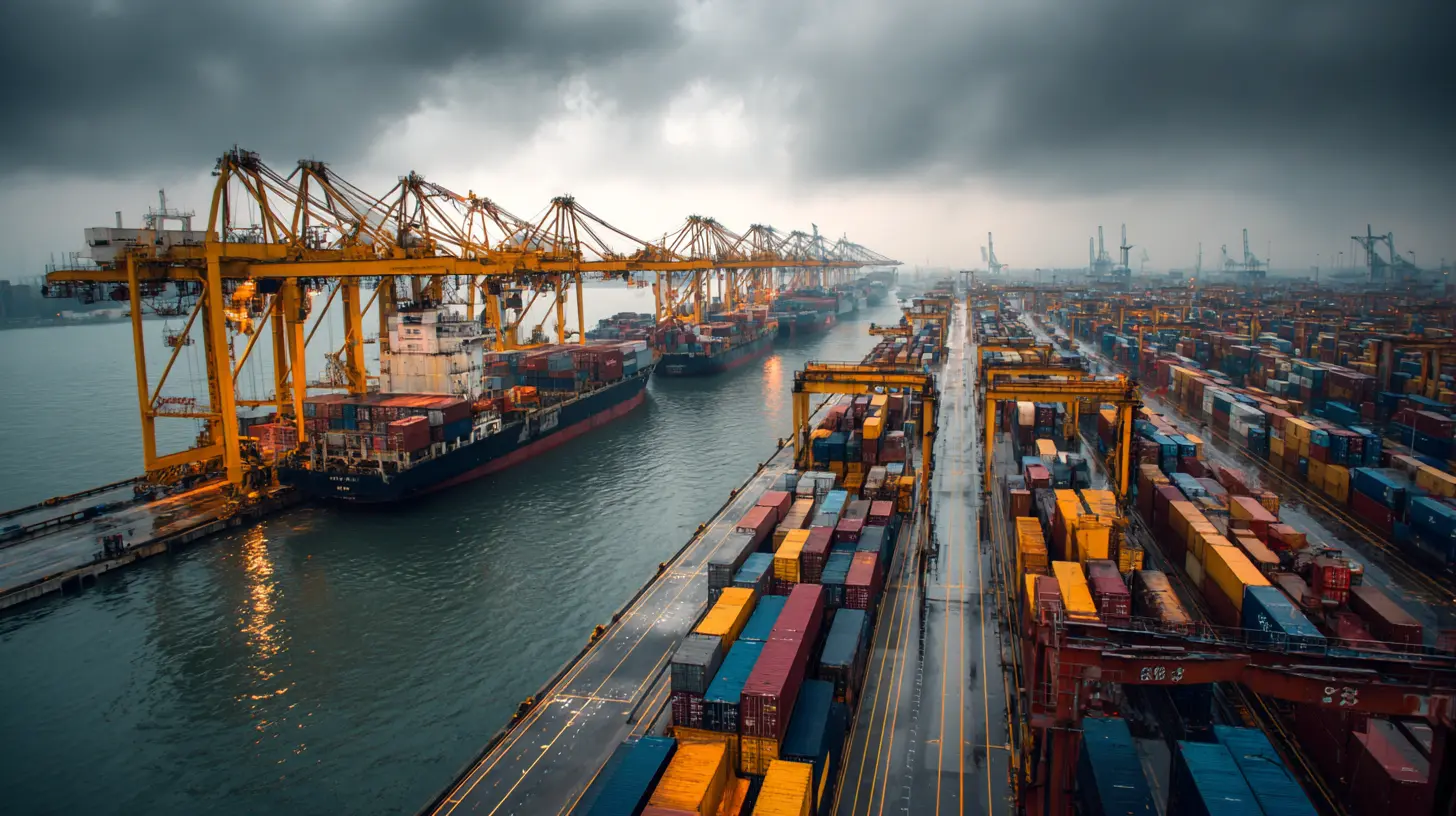
From Local Markets to Global Giants
Once upon a time, supply chains were simple. Think local farmers, village bakers, and a cart to haul goods. If you needed something, chances are it came from just a few miles down the road.But fast forward a few decades and you'd be amazed. Today, your shirt might be stitched in Vietnam, dyed in Bangladesh, with cotton grown in India, and labels printed in China—before landing in your shopping cart in New York.
Globalization didn’t just change the game—it rewrote the rules.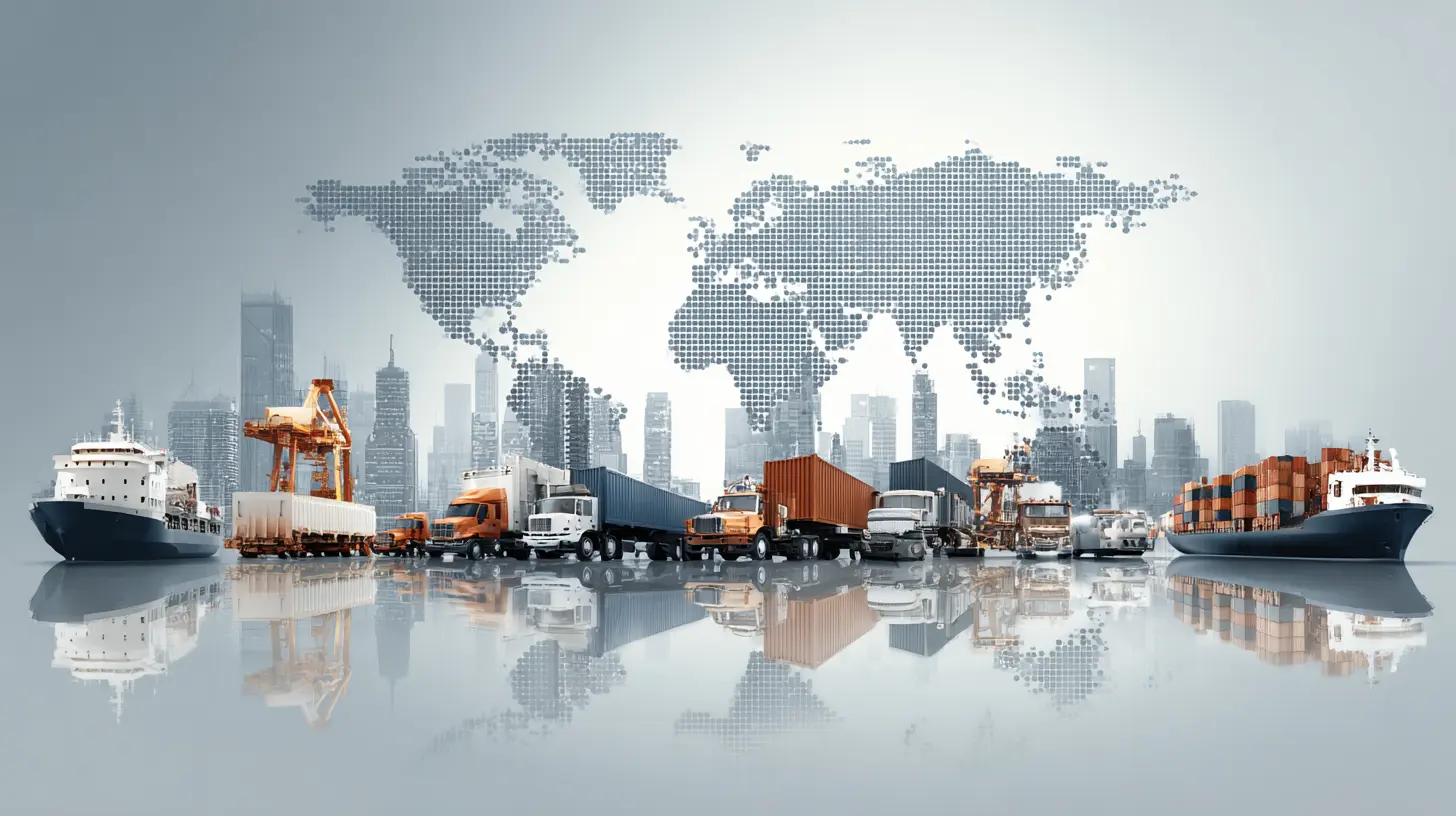
The Rise of Global Trade: A Whole New Playing Field
When countries opened their borders to trade, businesses saw an opportunity to cut costs and scale like never before. Suddenly, it wasn’t just about "who can produce this" but "who can do it cheapest, fastest, and at the highest quality."This shift gave birth to:
- Offshoring – Moving production across borders to lower-cost countries.
- Just-In-Time (JIT) Manufacturing – Keeping inventory low and relying on precise delivery timing.
- Outsourcing – Delegating parts of production to other companies.
At first, this seemed like a dream come true. Efficiency skyrocketed. Costs plummeted. Products multiplied. Everyone was happy—until cracks began to show.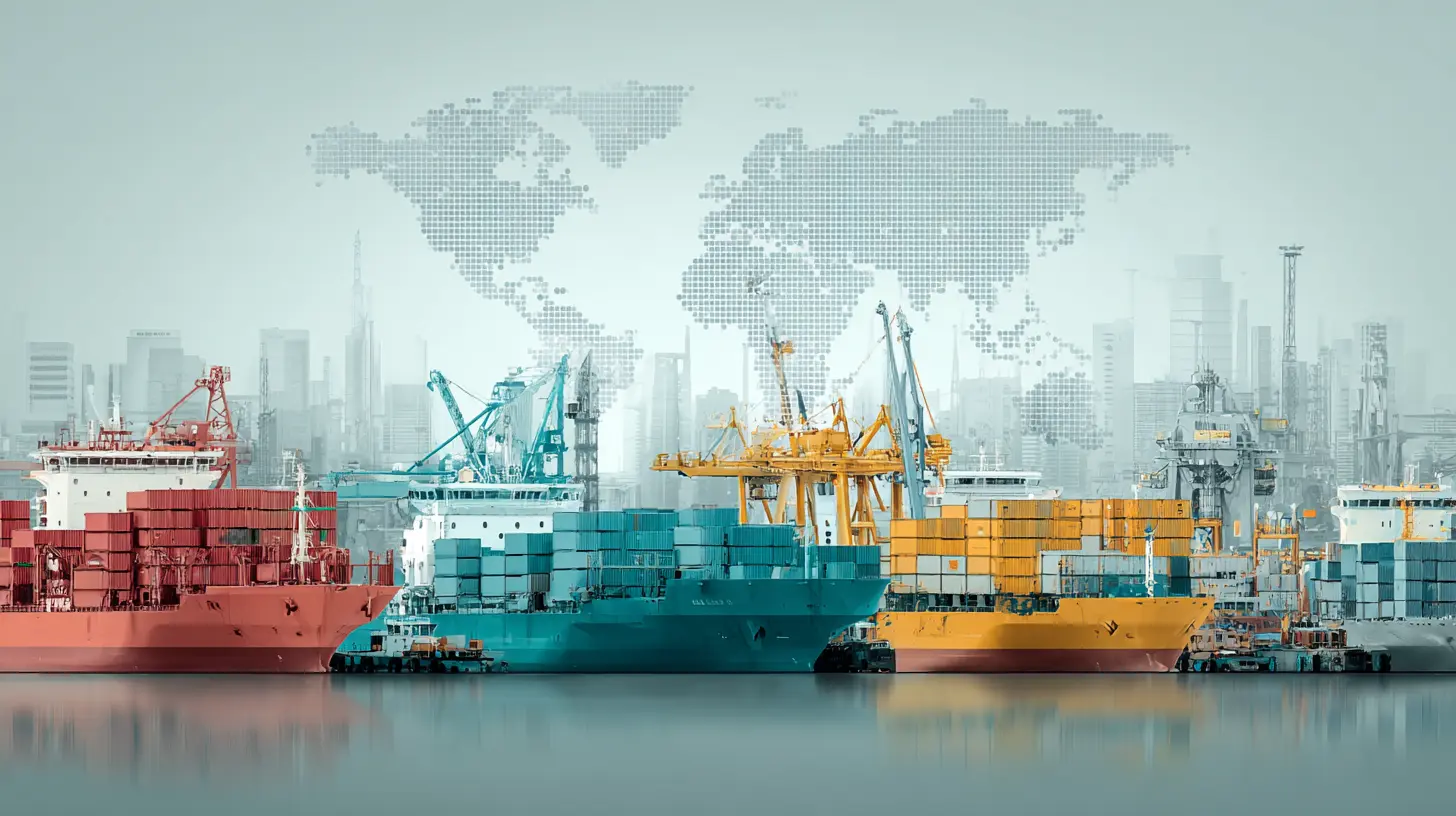
Technology: The Game Changer That Rewired Everything
Remember the days of fax machines and stacks of paper invoices? Yikes.Now think cloud-based ERP systems, real-time tracking, AI-powered forecasting, and blockchain transparency. We’ve come a long way.
Technology didn’t just speed up the supply chain—it gave us x-ray vision into every link. Today, a logistics manager in Atlanta can spot a delay in Shanghai before the container even moves. That’s wild, right?
A Peek at Key Innovations:
- Internet of Things (IoT): Sensors on cargo containers to track temperature, location, and more.- Artificial Intelligence (AI): Predicting demand spikes, managing inventory, and even selecting the best suppliers.
- Automation: From robotic arms in warehouses to drones inspecting shipping yards.
These tools mean fewer surprises, faster actions, and better customer experiences.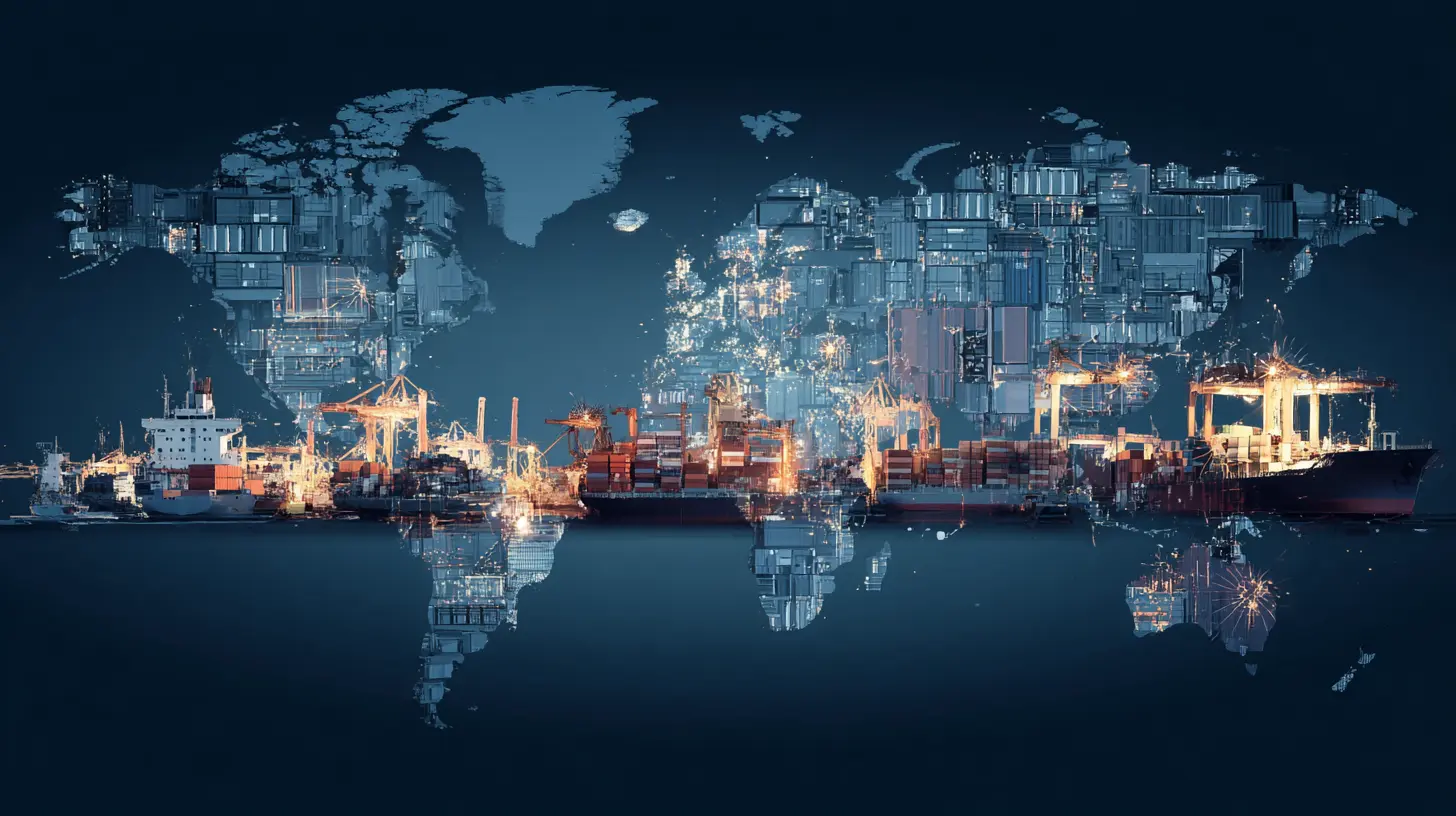
COVID-19: The Global Wake-Up Call
Ah yes, 2020. The year supply chains got flipped upside down.Remember when you couldn’t find toilet paper? Or when delivery times doubled? Yeah, that was supply chain chaos in real-time.
The pandemic exposed just how fragile global trade routes had become. Entire factories shut down. Shipping containers got stuck in the wrong places. Ports turned into parking lots for idle cargo ships.
But hey, every crisis is a catalyst for change.
Companies learned they had to:
- Diversify Suppliers: Relying on one country (cough China) was risky.
- Build Resilience: A little buffer stock isn't such a bad idea after all.
- Digitize Faster: Manual processes couldn’t keep up.
The new mantra? Be prepared, stay flexible, and expect the unexpected.
Sustainability: The New Battlefront
Here's the deal—global supply chains have often prioritized cost and speed over everything else. But now, customers (yes, folks like you and me) are demanding more transparency and responsibility.It’s not just about delivering goods. It’s about how they’re made, who makes them, and the impact on the planet.
We're talking:
- Green logistics: Electric delivery trucks, carbon-neutral shipping, optimized routes.
- Ethical sourcing: Fair wages, safe working conditions, and no child labor.
- Circular supply chains: Recycling and repurposing materials rather than starting from scratch.
In other words, the supply chain is going from being a money machine to a conscience machine. And that’s a huge step forward.
Challenges That Keep Supply Chains on Their Toes
Let’s be honest—evolving supply chains isn’t all smooth sailing. There are some tough nuts still left to crack.1. Geopolitical Tensions
Trade wars, tariffs, and sanctions have become common headlines. When politics gets messy, supply chains feel the heat first.2. Climate Change
Floods, hurricanes, and wildfires are no longer “rare” events. They’re causing unexpected disruptions left and right.3. Cybersecurity Threats
As supply chains go digital, hackers see opportunity. Protecting data and systems is now mission-critical.4. Talent Shortages
From truck drivers to supply chain analysts, the industry is struggling to find and keep skilled workers.The Future: Smart, Resilient, and Human-Centered
So, what lies ahead? We’re heading toward a world where supply chains are not just efficient, but also adaptable, ethical, and tech-savvy.Autonomous Everything
Think self-driving trucks, AI-managed warehouses, and drone deliveries. It might sound sci-fi, but it's already happening in pilot programs.Decentralized Models
Instead of one massive factory churning out products, we’re seeing regional hubs that are closer to end-users. Less risk, faster delivery.Real-Time Decision Making
With AI and machine learning, companies can stop reacting and start anticipating. Imagine knowing a storm will delay your shipment two weeks before it even forms? That’s the power of predictive intelligence.Human-Centric Design
The best supply chains will not just revolve around technology, but around the people who make them tick. Workers, customers, communities—they all matter.Why This Evolution Matters to You (Yes, You)
You might be thinking, “Cool story, but I’m not in logistics.”But here’s the thing: supply chains affect your daily life whether you notice them or not. From the cereal in your bowl to the phone in your hand, every item has a story—and a journey—behind it.
When supply chains evolve, prices change. Delivery times shift. Jobs move. The environment feels the impact. And YOU get to choose where you stand as a consumer, professional, or business owner.
So next time you click “Buy Now,” take a moment. That product didn’t just appear. It traveled across a web of people, places, and processes. That’s the magic—and complexity—of modern supply chains.
Final Thoughts
The evolution of supply chains in the age of global trade isn’t just a tale of containers and cargo. It’s a story about adaptability, innovation, and human connection. As the world changes, so do the paths we take to connect resources to people.We’re standing at a crossroads—where technology, ethics, and resilience meet. And the decisions we make today will shape the supply chains (and lives) of tomorrow.
The most exciting part? You’re part of this journey too.
all images in this post were generated using AI tools
Category:
Global BusinessAuthor:

Caden Robinson
Discussion
rate this article
1 comments
Alice Klein
This article effectively highlights how advancements in technology and shifts in consumer demand have transformed supply chains. Understanding these changes is crucial for businesses aiming to remain competitive in global trade.
June 5, 2026 at 2:45 AM