Rethinking Supply Chain Strategy in a Globalized Market
21 March 2026
In a world that's growing more connected by the minute, the way we move products and services across borders is facing a tidal wave of change. Let's face it — the old playbook for supply chain success is getting tossed out the window. Between pandemic-driven disruptions, geopolitical tensions, digital transformation, and rising consumer expectations, businesses today have no choice but to rethink their supply chain strategy.
It’s no longer just about getting products from Point A to Point B as cheaply as possible. It's about being agile, resilient, and smart.
Sound overwhelming? Don’t worry — it's actually an exciting opportunity in disguise. Let’s break it down together and uncover how businesses (like yours) can ride the wave of globalization and come out stronger than ever.
Why the Traditional Supply Chain No Longer Works
Remember when supply chains used to be all about cost-efficiency and volume? Back then, the golden rule was: produce it cheap, ship it far, sell it fast.Well, times have changed.
Here’s the reality: relying solely on long-distance, single-source suppliers is no longer sustainable. All it takes is one factory shutdown, one container stuck at port, or one political dispute — and boom! Your entire supply chain goes haywire.
Think of it like a tightrope walker balancing on a single wire. One gust of wind and they come crashing down. That’s what traditional supply chains feel like today — fragile.
The COVID-19 Wake-Up Call
The pandemic served up a brutal reminder. When border closures, factory shutdowns, and labor shortages hit, supply chains across industries buckled under pressure. Toilet paper vanished, auto plants stalled, and medical supplies ran dry.What did this teach us? Dependence on a few global hubs or a just-in-time model can be dangerous. Flexibility isn't just nice — it’s necessary.
The Globalized Market: A Double-Edged Sword
Globalization has opened up incredible opportunities. We can source materials from anywhere, sell to customers everywhere, and leverage talent across continents.But here’s the twist — the more global your reach, the more complex your supply chain becomes.
It’s like turning a simple highway into a sprawling network of interconnected roads. One traffic jam in one part affects the entire route.
To thrive in today’s global market, businesses must look beyond cost. They need to weigh risk, sustainability, speed, and customer experience.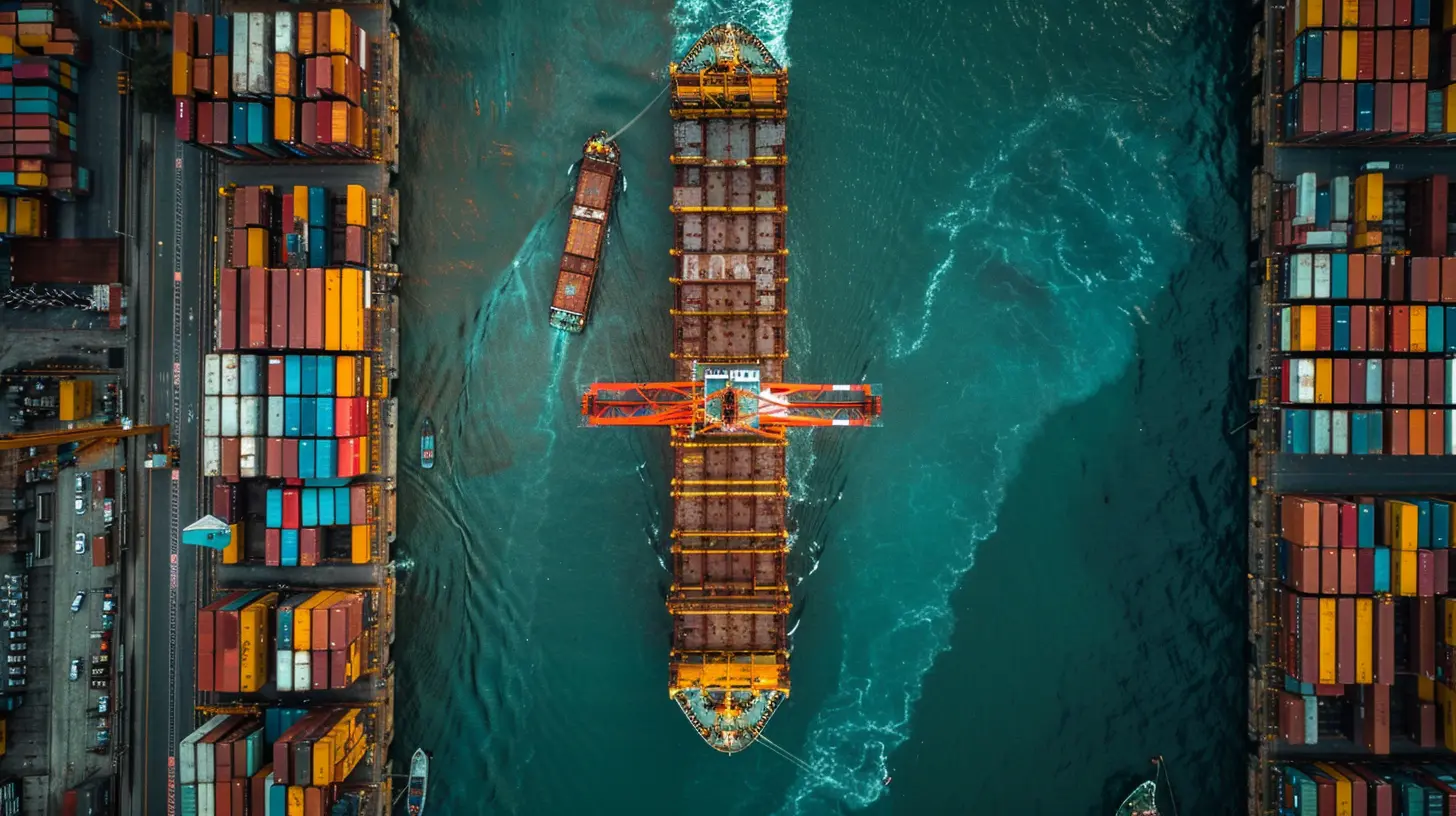
So, What Does “Rethinking Supply Chain Strategy” Really Mean?
Great question. It's not just about tweaking a few processes or switching vendors. It's about completely reimagining how your supply chain works — end to end.Let’s walk through the key principles of a modern, global-ready strategy.
1. Resilience Beats Efficiency
You might’ve heard this a lot lately — and for good reason. Building resilience means preparing for the unknown. It means creating systems that can bend without breaking.Think of your supply chain like bamboo, not steel. Steel is strong but can snap under pressure. Bamboo? It bends and bounces back.
Tactics to Build Resilience:
- Diversify Suppliers: Don’t keep all your eggs in one basket. Source from multiple regions.- Develop Backup Plans: Have contingency routes, alternate suppliers, and buffer stock.
- Invest in Visibility: Know what’s happening at every tier of your supply chain. The earlier you see an issue, the faster you can fix it.
2. Localize Where It Makes Sense
Here's a counterintuitive idea: Going global might mean going local.Nearshoring and reshoring are gaining traction — and for good reason. Producing closer to where you sell can eliminate delays, reduce emissions, and help avoid international risks.
That doesn’t mean abandoning globalization. It means finding the right balance.
Ask Yourself:
- Can I find regional suppliers to shorten lead times?- Is there a local market where I can set up production hubs?
Think of this as creating a “glocal” supply chain – globally connected, but locally responsive.
3. Digitize, Digitize, Digitize
If your supply chain still runs on spreadsheets and emails, it's time for a tech makeover.Digital supply chains powered by AI, IoT, and blockchain are changing the game. They offer real-time tracking, predictive analytics, and smarter decision-making.
Imagine knowing exactly where every pallet is, spotting delays before they happen, and adjusting routes on the fly. That’s the power of digital.
Must-Have Tech Tools:
- Supply Chain Management (SCM) Platforms for end-to-end visibility.- AI & Machine Learning for demand forecasting.
- IoT Devices for real-time tracking.
- Blockchain for transparency and trust.
4. Sustainability Is No Longer Optional
Consumers care. Investors care. And increasingly, regulators care too.Sustainability isn't a box to tick — it’s a business imperative. From sourcing ethically to reducing emissions, companies that prioritize green supply chains position themselves for long-term success.
Think of it this way: what’s good for the planet is also good for your brand.
How to Embed Sustainability:
- Source from eco-friendly partners.- Optimize routes to cut fuel use.
- Minimize packaging waste.
- Track and report carbon footprints.
Sustainable supply chains don’t just boost reputation — they can also save money.
5. Collaborate Instead of Compete
The future of supply chains is collaborative. Think partnerships, not silos.Companies are now sharing data, co-managing inventory, and even building shared logistics networks. Instead of each business building its own chain, the trend is toward ecosystems.
Let’s be real — no company operates in a vacuum. The more connected your supply chain, the stronger and more responsive it becomes.
6. Empower Your People
Supply chain transformation isn’t just about tech and tactics — it’s about people. Your team needs to understand the new world and be ready to act fast.Train your staff, encourage innovation, and foster a culture of learning. The supply chain workforce of the future is tech-savvy, data-literate, and empowered to make decisions.
Want a competitive edge? Invest in your people.
7. Customer-Centric Supply Chains Win
At the end of the day, everything in your supply chain should serve one purpose: keeping your customers happy.Today’s customers want fast shipping, real-time updates, ethical sourcing, and transparent returns. That means aligning your supply chain with customer expectations.
Want to be known for excellence? Make your supply chain an extension of your customer service.
Case Study: How One Business Reinvented Its Supply Chain
Let’s bring this to life.A mid-sized apparel company based in the U.S. once relied solely on one overseas manufacturer. They shipped goods via ocean freight, aiming for low costs.
Then came the disruptions: shipping delays, tariffs, supplier issues. They faced growing backlash over labor practices and rising pressure to go green.
Here’s what they did:
- Diversified to include Latin American and domestic suppliers.
- Adopted cloud-based supply chain software for real-time tracking.
- Shifted to recycled packaging and carbon-neutral shipping.
- Trained their team on new systems and agile practices.
Result? Products reached customers faster. Costs dropped in the long run. Reputation improved. Profits soared.
The key takeaway? Reinventing your supply chain is tough — but absolutely worth it.
Final Thoughts: Future-Proof Your Supply Chain Now
Let’s sum it up.The rules of the game have changed. The old way of doing things — chasing the lowest cost and ignoring risk — no longer cuts it.
Your supply chain needs to be agile, digital, sustainable, and customer-focused. Yes, it's a lot. But it’s also an amazing opportunity to outsmart your competition, serve your customers better, and build a future-ready business.
Remember — supply chains aren't just background processes. They’re the lifeline of your company. When you rethink your supply chain strategy, you rethink your business for the better.
So, where will you start?
all images in this post were generated using AI tools
Category:
Business StrategyAuthor:

Caden Robinson
Discussion
rate this article
2 comments
Ariana Patel
Adaptability and resilience are key to thriving in today's global supply chains.
April 11, 2026 at 11:45 AM
Caden Robinson
I completely agree. Flexibility and strength are essential in navigating today's complex supply environments.
Shiloh Baxter
In a rapidly evolving global market, rethinking supply chain strategy is not just essential; it's an opportunity for innovation and growth. Embracing adaptability and collaboration can lead to sustainable success, empowering businesses to thrive amidst challenges and transform obstacles into stepping stones for a brighter future!
March 26, 2026 at 3:18 AM
Caden Robinson
Thank you for your insightful comment! I completely agree that adaptability and collaboration are key to transforming supply chain challenges into opportunities for innovation and growth.