International Agreements: How Trade Pacts Shape Global Markets
26 May 2026
Ever wondered why your favorite brand of chocolate comes from Switzerland but costs the same as a local one? Or why your phone, designed in California, is actually made across several countries? That’s the magic (and complexity!) of international trade agreements at work.
Welcome to the behind-the-scenes world of trade pacts—where countries shake hands, agree on rules, and open their doors (and wallets) to global business. Today, let's break down how these agreements influence what we buy, how businesses grow, and why markets behave the way they do.
What Are International Trade Agreements Anyway?
Let’s start with the basics. International trade agreements—also called trade pacts—are deals between two or more countries that set the ground rules for doing business across borders.Think of them as a business partnership on a global level. It’s like two neighbors deciding to take down the fence between their backyards and share tools, supplies, and resources. These “neighbors,” in our case, are countries. The agreements define what’s allowed, what’s taxed, and what needs to be regulated.
These deals can involve:
- Tariffs: Taxes on imports or exports
- Quotas: Limits on the quantity of a product that can be traded
- Customs regulations: Procedures for moving goods across borders
- Standards: Quality or safety benchmarks for products and services
In short—they set the rules of the road for the global marketplace.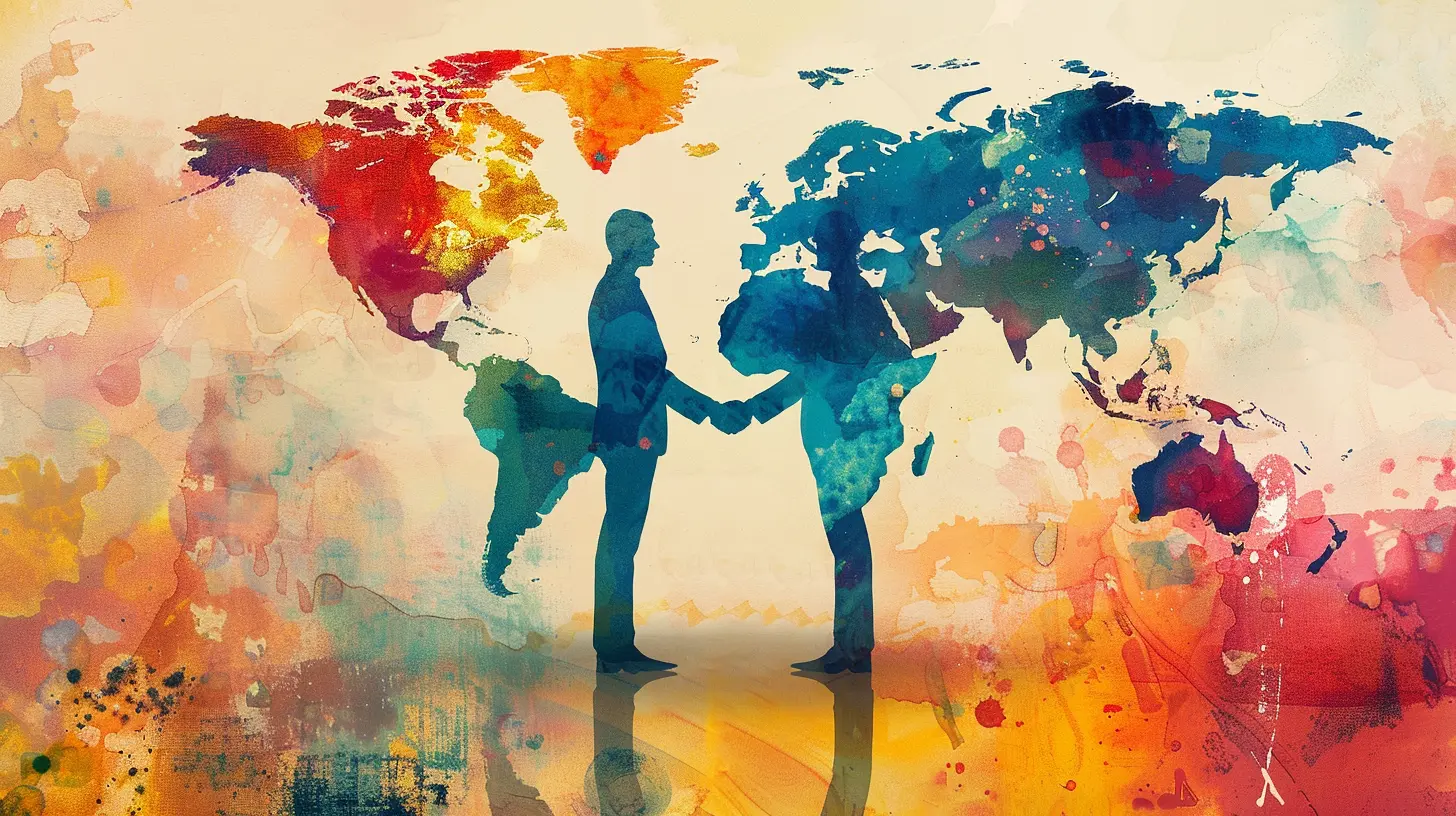
The Global Market: A Big Puzzle
The global market is like a massive, interconnected puzzle. And trade agreements are the pieces that help everything fit. When countries sign these pacts, they’re removing barriers that usually make trade slow, expensive, or impossible.Imagine trying to play a soccer match where each team uses a different-sized ball and a different number of players. Chaos, right? Trade agreements create a standard set of rules so everyone plays the same game.
Types of Trade Agreements (Yes, There Are a Few)
Not all trade deals are created equal. Some are big group parties; others are just between a couple of friends. Let’s break them down:1. Bilateral Agreements
These are deals between two countries. It’s like a handshake between two partners trying to help each other grow. They usually aim to reduce tariffs and boost trade in specific industries.Example: The U.S.-Korea Free Trade Agreement (KORUS) between the United States and South Korea.
2. Multilateral Agreements
These involve multiple countries—sometimes dozens. They’re often led by organizations like the World Trade Organization (WTO) and focus on global standards.Example: The General Agreement on Tariffs and Trade (GATT), which later became the WTO.
3. Regional Trade Agreements
Countries in a specific geographical area team up to create favorable trade terms. These can help neighbors build stronger economic ties.Example: The European Union (EU), which allows member states to trade without tariffs.
4. Free Trade Agreements (FTAs)
These are designed specifically to eliminate (or seriously reduce) barriers like tariffs and quotas. Countries agree to give each other better access to markets.Example: North American Free Trade Agreement (NAFTA)—now replaced by USMCA.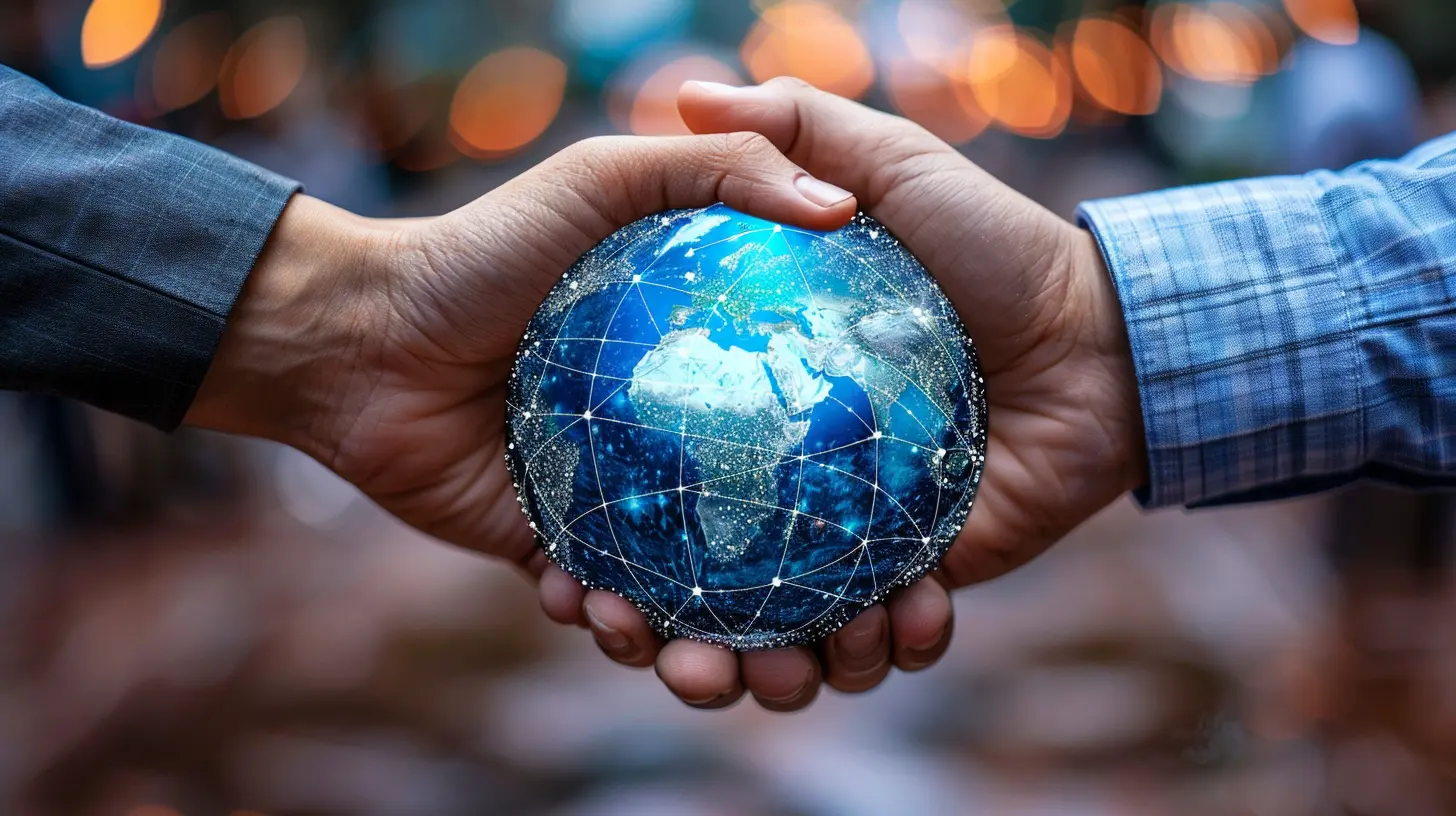
Why Do Countries Sign Trade Deals?
You might be thinking, “Why bother? Can’t countries just trade freely whenever they want?” Not exactly.Here are a few solid reasons nations pursue these deals:
? To Boost Economic Growth
Lower tariffs and open markets often mean more trade, more business, and more money flowing in. It’s a win-win, at least in theory. Countries get access to cheaper imports and can sell more of their own products abroad.? To Increase Competitiveness
By opening up their markets, countries force local industries to step up their game. That means better products, more innovation, and lower prices for consumers.? To Strengthen Diplomatic Ties
Trade agreements aren’t just about money—they're about relationships. Strong trade partnerships often lead to stronger political alliances and security pacts.? To Attract Foreign Investment
When the rules are clear and stable, foreign companies are more likely to invest in a country’s economy.How Trade Agreements Shape Global Markets
Okay, time to dive into the meat of it. How exactly do these agreements affect the big picture?1. They Influence What Products Are Available
Ever noticed how avocados are now everywhere, even in regions where they don’t grow? That’s global trade at work. Thanks to favorable trade terms with producing countries, avocados (and countless other items) are now global staples.2. They Affect Prices—Big Time
Trade agreements remove or reduce tariffs, so products become cheaper to import. That means consumers like us get more affordable goods. Businesses benefit too, as they can get cheaper raw materials.3. They Shape Supply Chains
Modern supply chains often span continents. Companies like Apple or BMW rely on parts from different countries. Trade agreements keep goods moving smoothly. When a new agreement is signed—or an old one gets scrapped—companies may need to rethink how and where they manufacture.4. They Can Lift or Crush Entire Industries
Here’s the flip side. If a country opens up to cheaper imports, local industries may struggle to compete. That can lead to job losses or even industry shutdowns. On the flip side, exporters may flourish with newfound access to massive consumer markets.5. They Influence Economic Power Plays
Ever heard of trade wars? Countries sometimes use tariffs as bargaining chips. Trade agreements help prevent these power struggles by laying down fair rules. No one wants to be booted out of a profitable deal.The Role of the World Trade Organization (WTO)
Imagine the WTO as the referee in the global trade game. Created in 1995, the WTO ensures that trade rules are followed and helps resolve disputes between nations.WTO agreements cover goods, services, and intellectual property. They promote transparency and aim to keep global trade fair and open.
But hey, it’s not perfect. Critics argue the WTO favors wealthy nations or moves too slowly. Still, it remains a central player in how trade pacts shape the world stage.
Real-World Examples That Impact You
Let’s put a face to the theory and look at how trade agreements impact everyday life:? EU-South Africa Trade Deal
South Africa exports massive amounts of wine to Europe. Thanks to a free trade agreement, EU consumers get quality wine at lower prices, and South African wine producers gain a wealthy market.? USMCA (United States-Mexico-Canada Agreement)
This deal (which replaced NAFTA) streamlined trade between the U.S., Mexico, and Canada. It affected everything from auto manufacturing to dairy products. Automakers benefit from predictable tariffs, and consumers get better choices.? RCEP (Regional Comprehensive Economic Partnership)
Signed by 15 countries in the Asia-Pacific, including China, Japan, and Australia, RCEP is the largest trade agreement in history. It simplifies trade across a third of the world’s population. That’s a huge shift in market dynamics!The Pros and Cons (Because Nothing’s Perfect)
Not everyone wins in trade agreements. So let’s call it like it is.✅ Pros:
- More choices for consumers- Lower prices on goods and services
- Boost in exports and foreign investment
- Encourages innovation and efficiency
- Strengthens international relations
❌ Cons:
- Small businesses may struggle to compete with foreign giants- Job losses in vulnerable industries
- Potential erosion of product standards
- Environmental and labor concerns (in some trade-heavy industries)
What About Digital Trade?
Yup, we’re not in the 20th century anymore. Trade agreements are evolving to include digital products and services—think software, streaming content, and online consulting.Countries are now negotiating how to handle things like:
- Cross-border data flows
- Cybersecurity
- Digital taxation
- E-commerce rules
This shift will reshape how we do business online and who gets access to digital markets.
What’s the Future of Trade Agreements?
The global economy is changing faster than your smartphone updates. What’s next?- More Green Trade: With climate change in the spotlight, expect agreements to include environmental standards.
- Focus on Innovation: Intellectual property rights and tech sharing are hotter topics than ever.
- Geopolitical Shifts: As new powers rise (hello, China and India), expect trade axes to tilt.
As politics, science, and markets evolve, so will trade pacts. They’ll need to address societal challenges while keeping commerce flowing.
Final Thoughts
Trade agreements might sound wonky at first, but they’re one of the invisible forces that shape our lives every single day. From the coffee in your cup to the car you drive, these deals determine what’s made, where it’s made, and how much it costs.Understanding how international pacts work isn’t just for economists or business owners—it’s for anyone who shops, travels, or connects with the wider world. That means it’s for all of us.
So next time you grab a sushi roll in New York or wear a T-shirt made in Vietnam, give a little nod to the complex and fascinating world of international agreements—they’re the silent architects of our global economy.
all images in this post were generated using AI tools
Category:
Global BusinessAuthor:

Caden Robinson
Discussion
rate this article
1 comments
Lumen Velez
Great read! It's fascinating to see how these trade agreements connect countries and boost economies. Understanding the nuances of global markets can feel complex, but articles like this make it easier. Keep exploring and spreading the knowledge... the world is your oyster!
June 3, 2026 at 3:42 AM
Caden Robinson
Thank you for your kind words! I'm glad you found the article helpful in understanding these complex topics. There's always more to explore in this dynamic world of trade.