How Trade Policies Are Reshaping Global Business Dynamics
23 June 2026
So, here’s the thing: Trade policies aren’t just boring suits-and-ties topics tossed around in world summits. Nope. They’re more like the puppet strings quietly pulling the arms and legs of nearly every global business. Think of them as the weather systems of international commerce—sometimes sunny, sometimes stormy, but always dictating how you dress (or in this case, how you do business).
Now, let’s dive into the curious world of trade policies and how they’re flipping the business world upside down, one regulation at a time.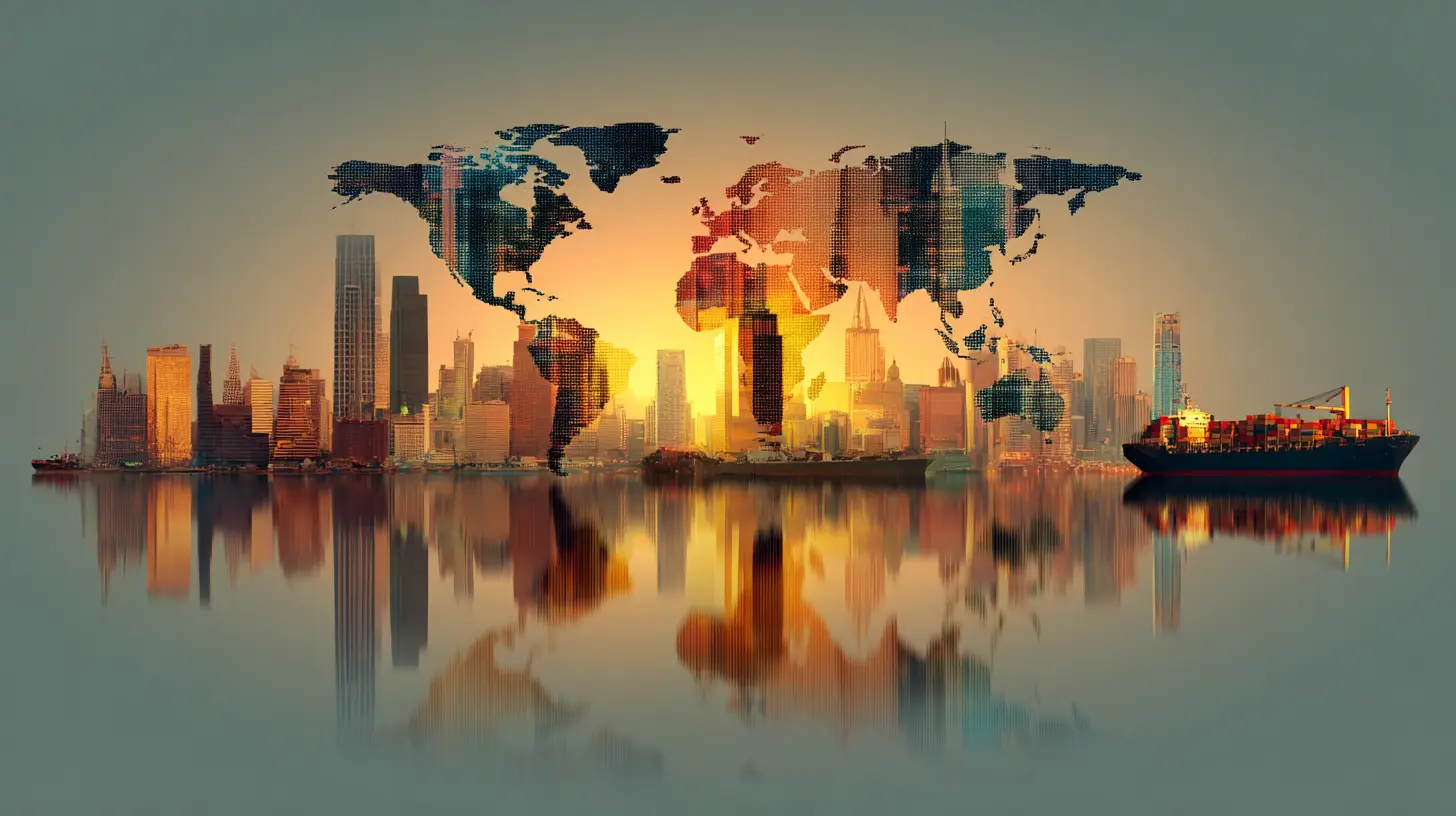
What Exactly Are Trade Policies? (And Why Should You Care?)
Imagine you run a lemonade stand. You have lemons from your backyard, but sugar? You’ve gotta get that from your neighbor. Now, imagine your neighbor suddenly wants you to pay extra for the sugar, or only wants to trade if you throw in some of your profits. Boom—trade policy.At the global level, trade policies are the rules and laws a country uses to manage trade with other countries. We're talking tariffs (aka taxes on imports), quotas (limits on how much can be imported), embargoes (complete bans), and trade agreements (like NAFTA or the newer USMCA). These policies affect what can be bought, how much it costs, and who’s allowed to sell what to whom.
Why should you care? Because these rules affect the price of your phone, how fast you get that online order from overseas, and whether your job gets outsourced or stays local. So yeah, kind of a big deal.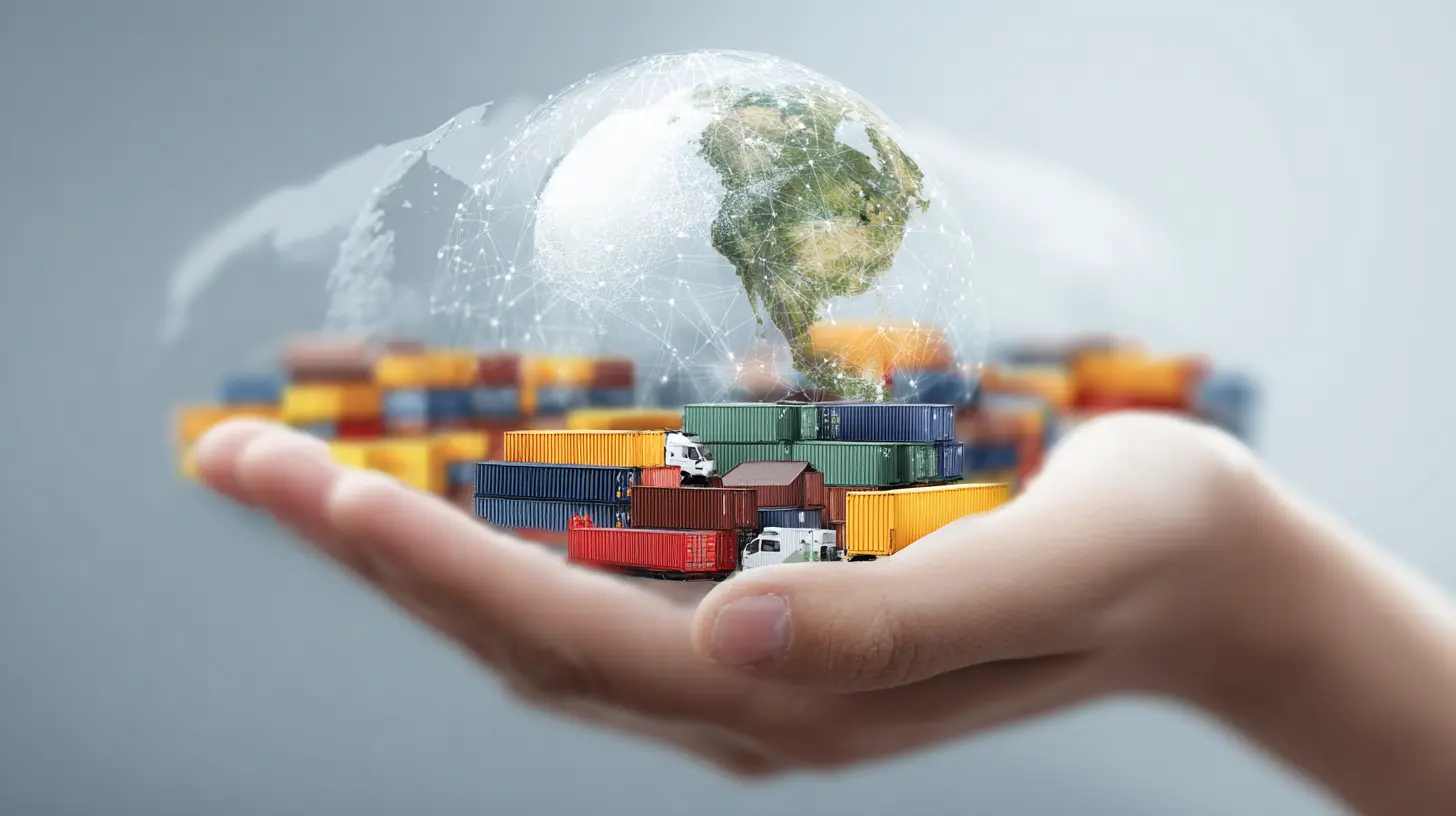
The Global Business Playground: Not As Free As You Think
People often talk about the “free market,” as though it’s some kind of hippie commune where everyone just trades peacefully. But truth be told, it’s more like a high-stakes poker game with countries holding their cards close and trying to outplay each other with every deal.Trade policies are the silent rules of this game—and lately, those rules are changing faster than TikTok trends.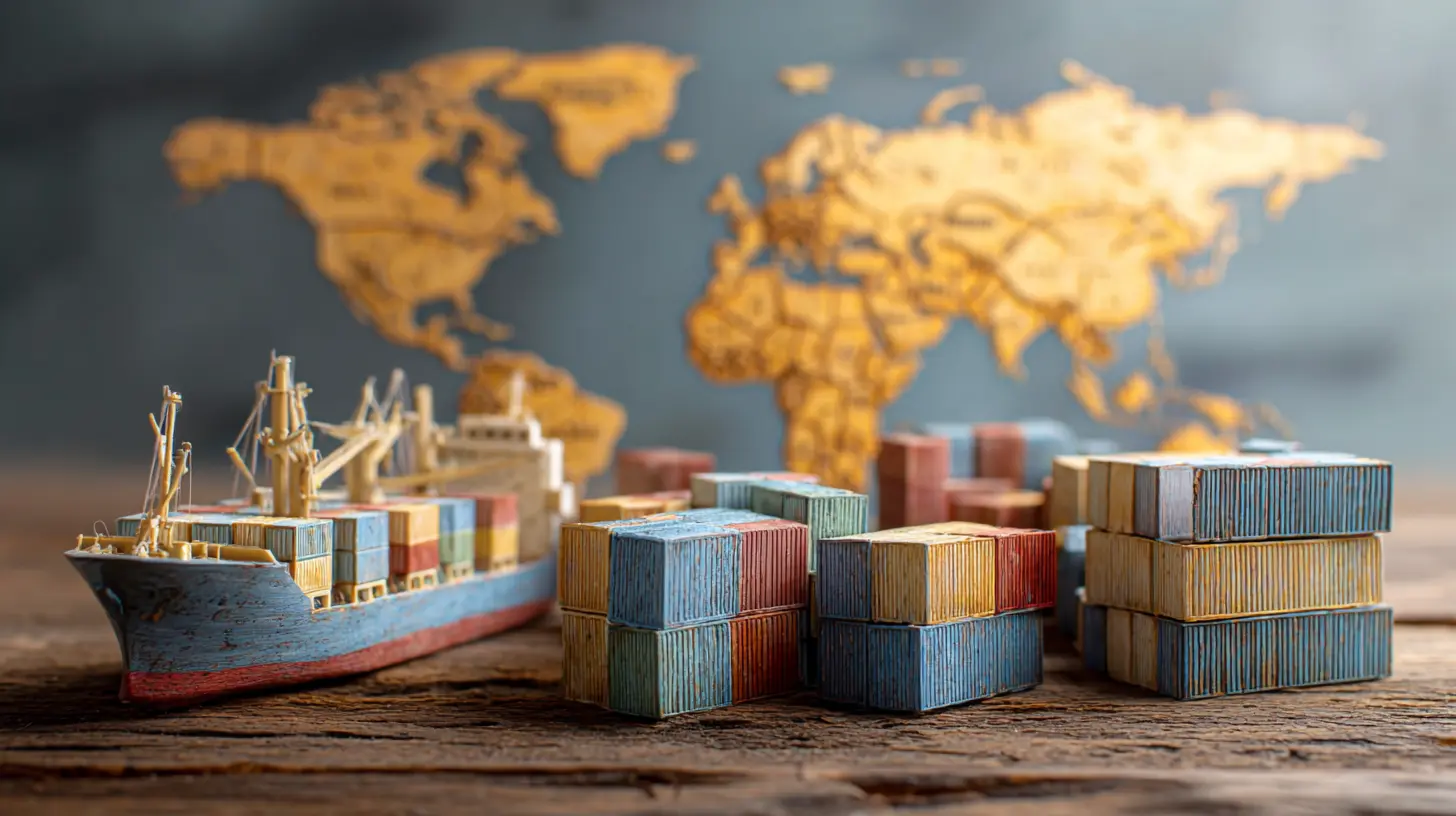
From Globalization to De-globalization: A Quick Plot Twist
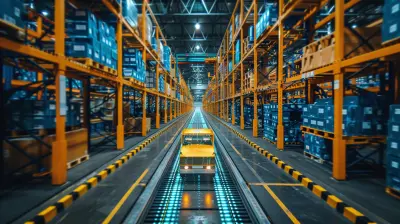
Let’s roll back the tape a bit. For decades, globalization was all the rage. Borders? Meh. Everyone was trading with everyone. Companies were setting up shop wherever labor was cheap, and goods were flying across continents faster than you could say “supply chain.”But hold the phone—cue the trade wars, national security concerns, and, oh yeah, pandemics. Suddenly, countries started saying, “Wait, maybe we don’t want to rely on someone halfway around the world to build our microchips.” Hello, reshoring and nearshoring. Goodbye, global free-for-all.
Trade policies began to focus more on self-reliance, strategic industries, and, let’s be honest, keeping jobs at home for political brownie points.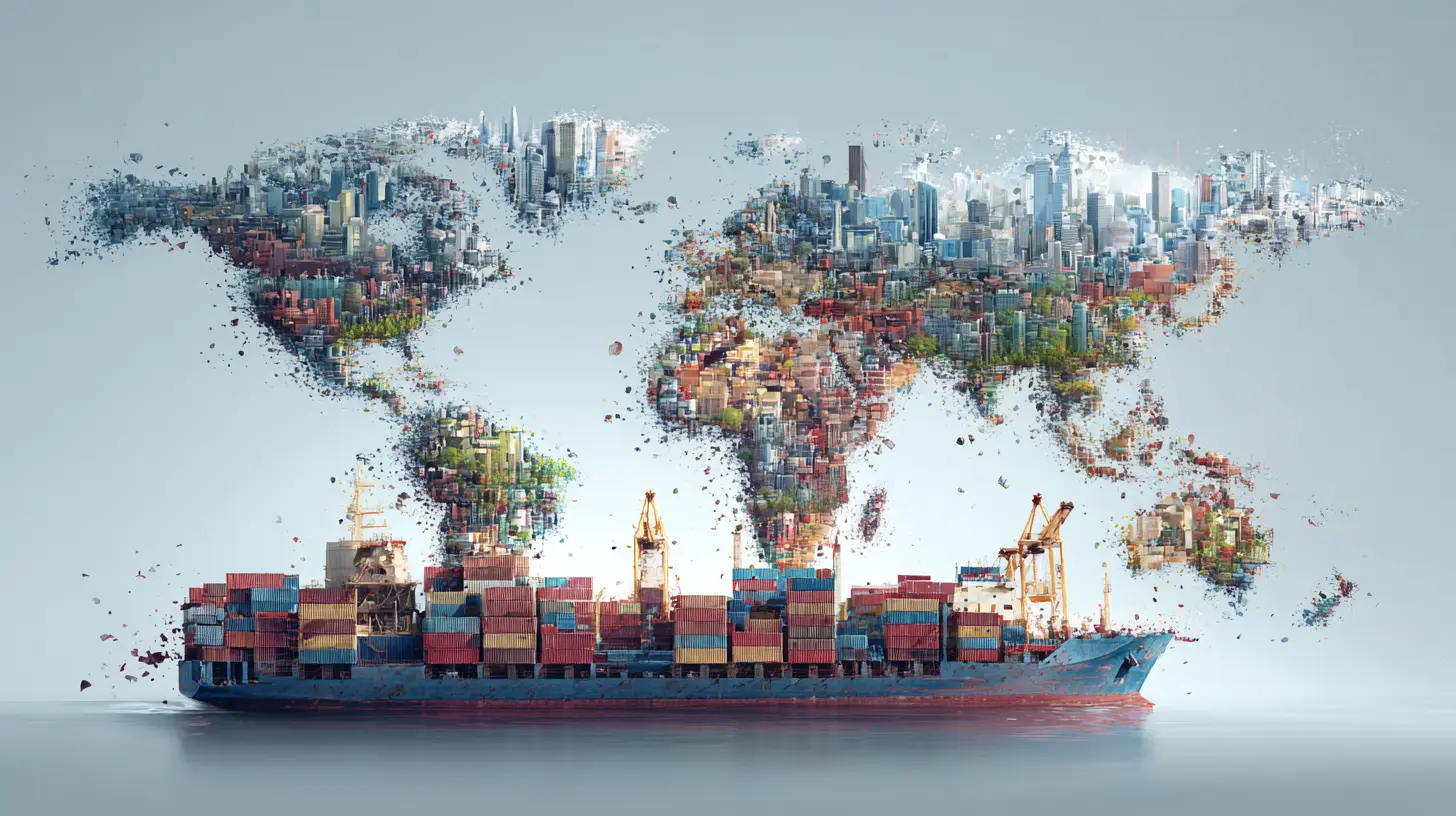
Tariffs: The Not-So-Subtle Price Tag on Global Business
Let’s talk tariffs—those sneaky little taxes that can jack up prices faster than your favorite streaming service.When one country slaps tariffs on imports, it’s like saying, “Sure, you can sell here—but you’re paying a cover charge.” This discourages foreign companies and pushes local businesses into the spotlight. Sounds patriotic, right? Well, yes—and no.
Tariffs mess with supply chains, raise prices for consumers, and can spark retaliation. It’s like a never-ending ping-pong match of “You tax me, I tax you back.” Businesses caught in the middle are left juggling costs, shifting suppliers, or even moving operations to dodge the drama.
Case in point? The U.S.-China trade war. It was a headline circus—but behind those headlines, thousands of companies were scrambling to navigate higher costs, export bans, and rerouted supply chains like a game of business Tetris.
Trade Agreements: The BFF Pacts of International Business
Now, not all trade policies are about conflict. Enter trade agreements—the pinky swears of global commerce. These deals are meant to make life easier (read: cheaper) for businesses by reducing or eliminating tariffs, setting rules on labor and environment, and just generally promoting smoother trade.Think USMCA, CPTPP, or the Africa Continental Free Trade Area (AfCFTA). These agreements can open up new markets for businesses, create a level playing field, and even push companies toward innovation in order to meet new standards.
But they’re not without drama. Negotiating these pacts can take years, and special interests often muddy the waters. And when one party pulls out or refuses to sign (cough Brexit?), it can throw entire industries into chaos.
Supply Chains Are Getting a Makeover
Remember when no one knew or cared what a supply chain was? Then COVID came along and made "supply chain bottleneck" the new office buzzword.Trade policies are now pushing companies to rethink where and how they source materials. With tariffs, political tension, and inflation running wild, businesses are shortening their supply chains or "friend-shoring" (only working with politically friendly countries). Less risk, more control.
This shift has led to investment booms in places like Vietnam, Mexico, and even closer to home. Shiny new factories are popping up, and logistics companies are adapting like chameleons to new trade routes.
Trade Policies and Tech Companies: A Love-Hate Situation
Tech companies are particularly sensitive to trade policies. Why? Because their products are Frankenstein monsters made from parts across the globe. One chip from Taiwan, one screen from South Korea, assembly in China, software from the U.S.—you get the idea.When trade policies change, tech companies don’t just tweak a few spreadsheets. They might have to redesign entire products, switch suppliers, or even split their companies in two for different markets (think Apple in China vs. Apple in the U.S.).
Plus, there's the rising trend of digital trade policies: data localization laws, restrictions on cross-border data flow, and cybersecurity requirements. It’s a whole new layer of complexity for businesses that live in the cloud.
Green Trade Policies: Saving the Planet or Slowing Growth?
Let’s take a detour into the eco-lane.Sustainability is the new black in business, and trade policies are starting to reflect that. We’re seeing carbon tariffs, eco-standards for imports, and trade deals that include environmental commitments.
For companies, this can mean higher costs upfront—but also opportunities. If you're ahead of the green curve, your products can enter markets with strict environmental rules. Fall behind, and you're looking at penalties or, worse, being blacklisted.
The EU’s Carbon Border Adjustment Mechanism (say that five times fast) is a perfect example—it taxes imports based on the carbon they emit. It’s a headache for some, a goldmine for others.
Small Businesses Are Riding the Policy Rollercoaster Too
Now, you might think all this global trade policy stuff only affects the big boys—multinationals, mega-corporations, Goliaths of industry. But nope. Small businesses are very much in the splash zone.Whether you're a local apparel brand importing fabric or a crafty Etsy seller shipping handmade mugs to France, tariffs and trade agreements impact your costs, access to markets, and competitiveness. But hey, knowledge is power, right?
With the right insights and maybe a savvy trade consultant, small businesses can actually thrive by finding the loopholes and sweet spots others miss.
The Future of Trade Policies: Robots, Chips, and Digital Borders
Looking ahead, trade policies are set to get even weirder (in a good way?). We’re entering a world where trade wars aren't about steel and soybeans—they’re about semiconductors, intellectual property, and who gets to build the next AI.Expect more emphasis on tech security, digital sovereignty, and maybe even space trade rules (yes, that’s already a thing). Countries want to own the next wave of innovation, and trade policy will be one of their favorite tools to get there.
Also, watch for a clash between globalization 2.0 (powered by digital services) and economic nationalism. It’s going to be like Game of Thrones but for policy nerds and CEOs.
What Can Businesses Do? Adapt Like a Ninja
If you’re a business today, agility is your superpower. You need to track policy changes like your morning coffee depends on it (spoiler: it might).Here’s a quick checklist:
- Diversify suppliers to reduce risk
- Stay informed through trade bulletins, news, and maybe a geeky trade policy podcast
- Consider automation to offset labor cost changes
- Explore new markets opened by fresh trade deals
- Build political risk into your business strategy
In short: Think like a chess player, act like a breakdancer.
Final Thoughts: The New Normal Is Constant Change
Trade policies are like tectonic plates—slow, powerful, and capable of triggering massive shifts. Businesses that treat them like background noise are setting themselves up for a rude awakening.But those that embrace the chaos, stay flexible, and watch the policy winds closely? They’ll not only survive—they’ll thrive.
So yeah, trade policies may seem like dusty legal scrolls written in government gobbledygook, but they’re more like the secret coding behind the Matrix of global business.
Unravel them, and you just might unlock your company’s next big opportunity.
all images in this post were generated using AI tools
Category:
Global BusinessAuthor:

Caden Robinson
Discussion
rate this article
1 comments
Teagan Warner
Great insights! Understanding trade policies is key to thriving in today's global business landscape... keep exploring!
July 5, 2026 at 10:32 AM
Caden Robinson
Thanks for your support! Trade policies are definitely shaping the future of global business. Excited to keep digging into this topic!