How E-commerce is Transforming Supply Chain Logistics
20 November 2025
E-commerce isn’t just changing how we shop—it's completely flipping the world of supply chain logistics on its head. Gone are the days when businesses could rely solely on traditional distribution methods and slow-moving inventory systems. With the rise of online shopping, the logistics playbook has been rewritten, and honestly, it’s becoming more digital, more streamlined, and more customer-focused than ever before.
In this article, we’re diving deep into how e-commerce is overhauling the logistics landscape. Whether you’re a business owner, a logistics manager, or just curious about what happens after you hit “buy now,” this one's for you.
The E-commerce Boom: A Catalyst for Change
Let’s kick things off by looking at the big picture. E-commerce has exploded, and it's not slowing down any time soon. According to Statista, global e-commerce sales are expected to surpass $6 trillion by 2024.What does that mean for supply chains?
Well, traditional supply chains were built for bulk deliveries to stores, not for thousands of individual packages heading to different doorsteps. The e-commerce boom has forced companies to rethink everything—from inventory management to last-mile delivery.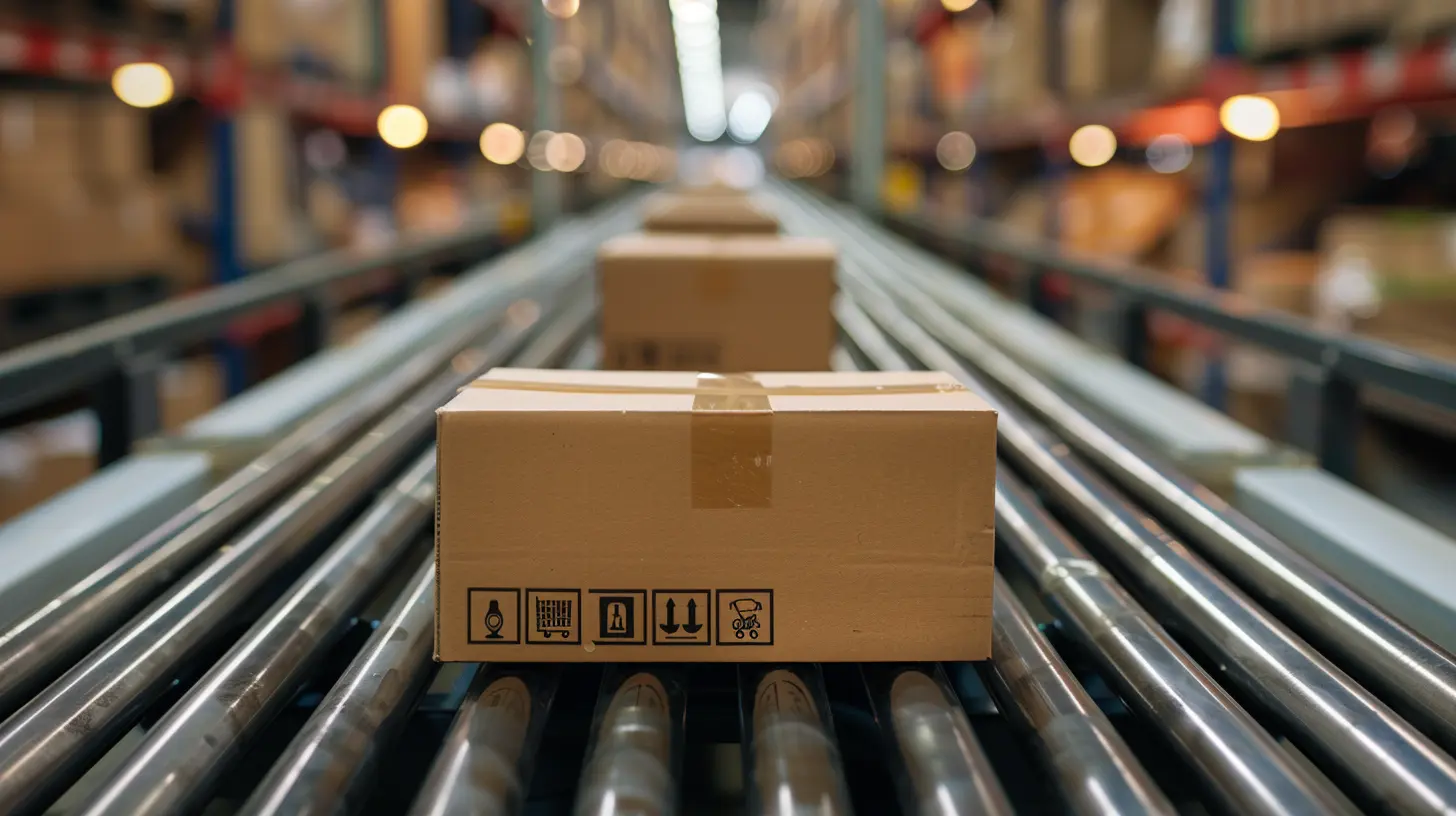
From Bulk to Boxes: Shifting Fulfillment Models
In the old-school retail model, products were shipped in bulk to warehouses, and from there, to physical stores. Pretty straightforward, right?Now, e-commerce demands a direct-to-consumer (DTC) model. That means instead of sending out 500 sneakers to one store, a company might have to ship 500 sneakers to 500 different homes.
This kind of shift demands:
- Smaller, more frequent shipments
- Dynamic inventory management
- Faster packing and shipping systems
- Real-time tracking and communication
It’s like comparing a firehose to a sprinkler system—both move water, but they operate on completely different principles.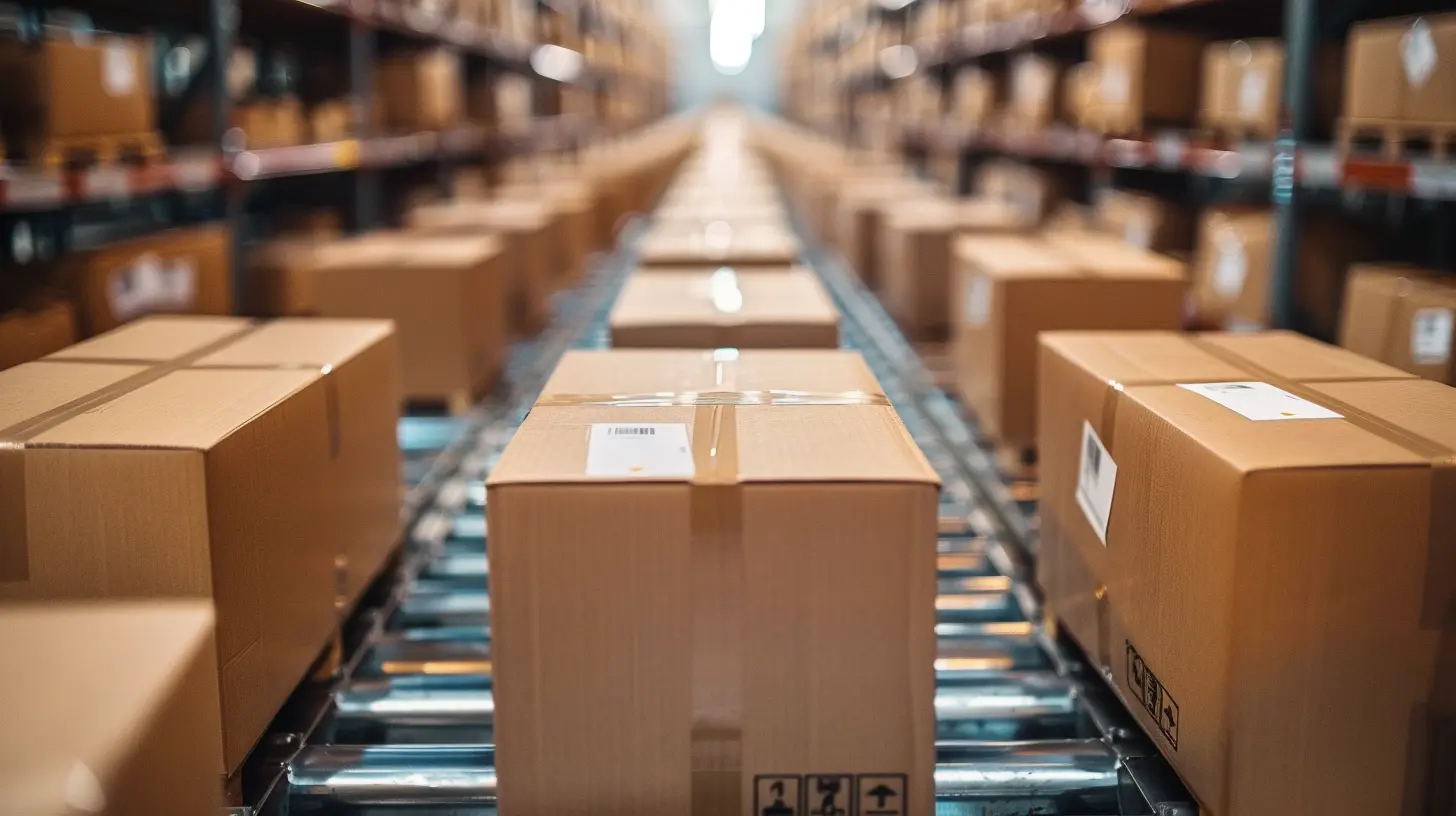
The Rise of Fulfillment Centers
Forget about traditional warehouses. Fulfillment centers are the new heartbeat of e-commerce logistics. These centers are strategically located close to major urban areas, allowing businesses to offer faster delivery without cranking up shipping costs.Here's why fulfillment centers matter so much:
- Speed: The closer a package is to the buyer, the quicker it gets there.
- Efficiency: These centers are optimized with robotics, AI, and real-time data.
- Scalability: Businesses can easily handle seasonal demand or flash sales.
Amazon is a prime (pun intended) example of this model. With a vast network of fulfillment centers, they’ve made two-day—and even same-day—delivery feel like the norm.
Inventory Management Goes Digital
Remember the days when you had to manually count inventory or rely on static spreadsheets? Yeah, those days are fading fast.E-commerce logistics now rely on advanced inventory management systems that are:
- Cloud-based: Access your stock data anytime, anywhere.
- Integrated: Sync with your e-commerce platform for real-time updates.
- Smart: Use AI to predict trends, avoid stockouts, and reduce waste.
This digital transformation allows businesses to be proactive rather than reactive. It’s like having a crystal ball for your inventory—pretty neat, right?
Real-Time Tracking and Transparency
If you’ve ever obsessively refreshed a tracking page (guilty!), you already know how crucial transparency is in e-commerce logistics.Customers want to know where their package is at all times, and businesses are stepping up to meet that demand. Real-time tracking systems now provide updates for every step of the journey—from the warehouse to the front porch.
Benefits of real-time tracking include:
- Reduced customer support inquiries
- Increased buyer confidence and satisfaction
- Better internal logistics coordination
In a way, these systems act like GPS for your products. Everyone knows where everything is, all the time.
Last-Mile Delivery: The Final Frontier
Here’s the kicker: the last mile is often the most expensive and complex part of the delivery process. It’s also where businesses have the least control—traffic, weather, and human error can all throw a wrench in the works.E-commerce is pushing logistics companies to innovate here more than ever. Think:
- Drones and autonomous vehicles
- Crowdsourced delivery (like Uber for packages)
- Local delivery hubs in urban centers
The goal is to make that final leg of the journey faster, cheaper, and more reliable. Because let’s face it—nobody wants to wait a week for something they bought online.
Returns: A New Logistics Challenge
Let’s not forget about product returns. E-commerce has a return rate of around 20-30%, which is way higher than in-store purchases.Handling returns efficiently is now a must-have, not a nice-to-have. That means:
- Reverse logistics systems must be just as robust as outbound logistics.
- Easy returns increase customer loyalty and trust.
- Restocking and refurbishing returned items requires streamlined processes.
Can your supply chain handle that much back-and-forth? If not, it’s time to tighten up.
Sustainability in the Supply Chain
Here’s a big one: sustainability.Consumers are becoming more eco-conscious, and they’re paying attention to where and how their products are made and shipped. E-commerce companies need to take note.
Ways the supply chain is going green:
- Carbon-neutral shipping options
- Eco-friendly packaging
- Consolidated shipping methods to reduce emissions
Balancing speed with sustainability is the modern supply chain’s biggest juggling act. And let’s be real—nobody wants fast delivery at the planet’s expense.
Technology is the Glue
All of this transformation wouldn't be possible without technology.Let’s look at the heavy hitters driving this evolution:
- Artificial Intelligence (AI): Predicts demand, optimizes routes, and automates decision-making.
- Machine Learning (ML): Improves over time, learning from past data to make smarter choices.
- Internet of Things (IoT): Connects devices for real-time monitoring—think sensors in trucks or smart shelves in warehouses.
- Blockchain: Adds transparency and security to the supply chain, especially in areas like authentication and logistics tracking.
Technology isn’t just a tool here. It’s the backbone of modern e-commerce logistics.
Globalization and New Market Access
Thanks to e-commerce, even small businesses can go global. You no longer need a brick-and-mortar presence in a country to sell there.But global reach means global logistics complexities. Companies have to navigate:
- Customs and import/export regulations
- Currency and taxation differences
- International shipping partners
Global e-commerce requires supply chains that are not just fast, but flexible and culturally aware.
Omnichannel Logistics is a Must
Here’s a buzzword that actually matters: Omnichannel.Customers expect seamless experiences whether they’re shopping online, on mobile, or in-store. That means your logistics need to connect the dots, offering:
- Buy-online-pickup-in-store (BOPIS)
- Ship-from-store options
- Unified data systems to track customer behavior across all channels
Omnichannel logistics turns your entire operation into a cohesive, customer-focused machine.
Challenges Still Remain
Let’s not sugarcoat it. While e-commerce has transformed logistics in amazing ways, it’s not all smooth sailing. Some challenges include:- High costs for same-day and last-mile deliveries
- Cybersecurity threats to digital logistics systems
- Scalability during peak shopping seasons like Black Friday
But here's the thing—every challenge is also an opportunity. Businesses that adapt will rise. Those that don’t will be left behind.
What It All Means for the Future
Looking ahead, we’re going to see even tighter integration between e-commerce platforms and logistics providers. Expect to see more automation, smarter warehouses, and personalized delivery options.Ultimately, supply chain logistics isn't just about moving goods—it’s about moving fast, smart, and sustainably to meet ever-changing customer demands.
Final Thoughts
E-commerce has completely reshaped supply chain logistics, forcing businesses to rethink everything from warehouse locations to delivery strategies. It’s faster, more tech-driven, and incredibly customer-oriented now.If you're in the game, it's time to embrace this transformation or risk falling behind. The tools are out there. The consumer demand is only growing. So, are you ready to evolve?
all images in this post were generated using AI tools
Category:
Supply Chain ManagementAuthor:

Caden Robinson
Discussion
rate this article
1 comments
Heather Clayton
Great insights! E-commerce is changing the logistics game, making it more efficient and customer-centric. It's fascinating to see how technology reshapes supply chains, creating opportunities for businesses to thrive while keeping customers happy. Exciting times ahead!
November 20, 2025 at 3:49 AM
Caden Robinson
Thank you! I’m glad you found the insights valuable. It’s indeed an exciting time for e-commerce and logistics as technology drives efficiency and enhances customer satisfaction.