Exploring the Benefits of On-Demand Warehousing for Businesses
19 February 2026
Let’s face it—businesses today aren’t operating in the same world they were five years ago. Heck, even five months ago could look like a different planet depending on your industry. The way we manage logistics, inventory, shipping, and storage has gone through a massive shift. And one of the key players shaking up the supply chain game? On-demand warehousing.
Whether you're running a fast-growing eCommerce brand or a seasoned retailer navigating seasonal inventory swings, on-demand warehousing is no longer just an option—it’s becoming a must-have strategy if you want to stay agile and efficient.
In this tell-it-like-it-is guide, we’re diving headfirst into the real benefits of on-demand warehousing for businesses. By the end, you’ll understand why this flexible solution might just be the smartest move your business can make—and you'll wonder why you didn't jump on board sooner.
🚀 What is On-Demand Warehousing, Anyway?
Think of on-demand warehousing as the Airbnb of storage. Instead of signing a long-term lease on a giant warehouse and sinking a fortune into upkeep, you only pay for the storage space and fulfillment services you actually need, when you need them. No more, no less.It’s a flexible, scalable, service-based model that matches businesses (that need space) with warehouse providers (that have space). Simple, right?
You don’t have to own the space. You don’t have to run the operations. You just plug in, store your inventory, and ship out orders—all without skipping a beat.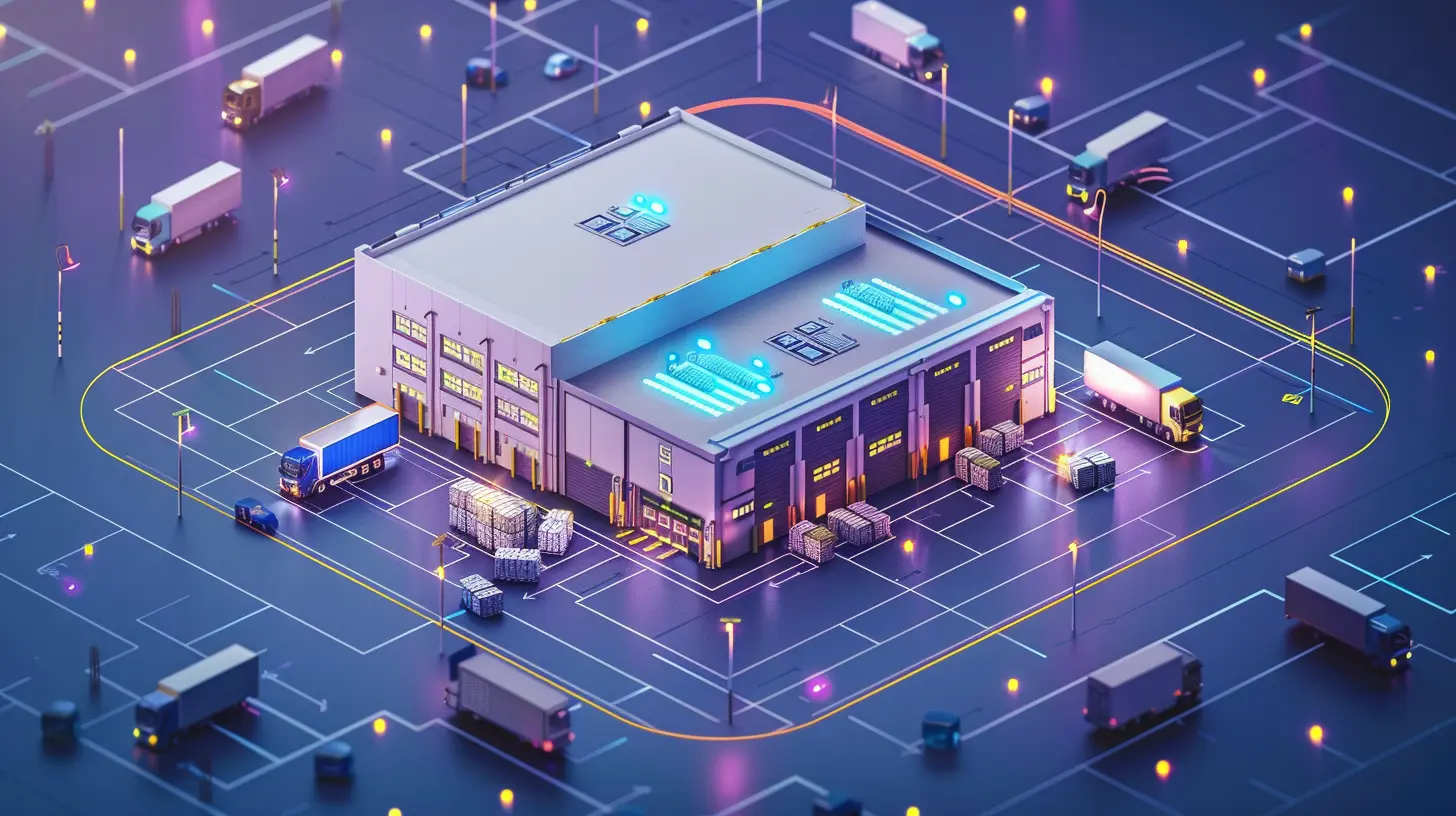
📦 Why Traditional Warehousing is Breaking Down
Before we get into the sweet perks of on-demand warehousing, let’s talk about why the old-school model is struggling to keep up.- High Fixed Costs: Long-term leases. Property taxes. Equipment. Staffing. Insurance. Yeah, the list goes on.
- Lack of Flexibility: Traditional warehouses don't exactly adapt well when your business grows, shrinks, or shifts strategies—or when a pandemic hits.
- Limited Locations: Many companies end up stuck with warehouses far from their customers, causing shipping delays and higher costs.
Sound familiar?
Now, here’s where on-demand warehousing swoops in like a logistics superhero.
🏆 Major Benefits of On-Demand Warehousing for Businesses
1. Ultimate Flexibility Without the Commitment
Running a flash sale? Launching a new product? Experiencing an unexpected demand surge? On-demand warehousing lets you scale up or down based on your real-time needs.You’re not boxed in. You choose how much space you need, for how long, in whichever location best serves your customers. It's like having a storage genie at your fingertips.
_Why sign a 5-year lease when you only need 5 months of storage?_
2. Cost-Efficiency That Keeps Your Cash Flow Happy
Let’s talk dollars and sense. Warehousing costs can be a black hole if you're not careful. With traditional warehousing, you're paying for everything even if you’re only using 60% of the space.On-demand warehousing flips the script. You pay for the space and services you actually use—nothing more.
Think of it like a buffet: you grab what you want and don’t pay for what you didn’t eat.
3. Access to Strategic Locations Across the Globe
Speed is the name of the game in today’s market. Customers want their orders yesterday.On-demand warehousing gives you access to a network of warehouses in key geographic hubs. That means you can store inventory closer to your customers and dramatically cut down last-mile delivery time.
Bonus: You can also reduce your shipping costs and carbon footprint. Now that’s a win-win-win.
4. Seasonal Storage? No Sweat.
Let’s say you're in retail, and the holidays are your Super Bowl. Or you’re in agriculture and your inventory fluctuates with the seasons.Traditional warehousing forces you to either overpay for unused space year-round or scramble for last-minute storage.
On-demand warehousing? It adapts to your seasonal rhythms like a champ. Need extra space during the holidays? No prob. Need to scale back after? Done.
It’s the perfect partner for businesses that ebb and flow.
5. Streamlined Fulfillment and Inventory Management
Most on-demand warehouse providers offer way more than just space. We’re talking about full-blown fulfillment services—pick, pack, ship, returns—you name it.They also integrate with your existing tech stack (think Shopify, Amazon, ERP systems), so you get real-time inventory tracking and analytics.
You stay in the driver’s seat, but someone else handles the heavy lifting.
6. Reduced Risk and Faster Market Testing
Let’s say you want to test a new market or region. Do you drop a quarter of a million on a new facility and hope it works out?Or do you use on-demand warehousing to test the waters without burning through capital?
Yep, it's a no-brainer. On-demand warehousing significantly lowers the barriers to market expansion and product testing. You can establish a physical presence in new areas almost instantly—without betting the farm.
7. Effortless Disaster Recovery and Emergency Storage
Supply chain disruptions are the new norm. Fires, floods, government regulations—whatever the crisis, you need backup.On-demand warehousing gives you access to rapid-response storage solutions. Reroute your inventory. Shift fulfillment. Handle overflow.
In emergencies, agility isn’t optional—it’s survival. On-demand warehousing gives you that safety net.
8. Support for DTC, B2B, and Everything in Between
Whether you’re shipping straight to consumers or filling bulk orders for retail partners, on-demand warehousing flexes with your business model.Need kitting and assembly? You got it. Need B2B pallet shipping? Covered. Need real-time visibility into your SKUs? No problem.
This isn’t a one-size-fits-all solution—it’s customized logistics on your terms.
💡 Who Should Be Using On-Demand Warehousing?
Short answer? Just about everyone.But if we’re getting specific:
- eCommerce brands looking for DTC fulfillment without building infrastructure
- Retailers facing seasonal surges
- Startups needing flexibility to scale
- Wholesalers managing multiple product lines
- Subscription box companies with changing inventory types
- International brands entering new markets
If you store and move physical products, on-demand warehousing can probably save you time, money, and a ton of stress.
🛠️ Common Features Offered by On-Demand Warehousing Providers
Here’s a sneak peek of what you can expect:- Real-time inventory tracking
- Cloud-based dashboards
- Temperature-controlled storage
- Kitting and assembly services
- Returns management
- Shipment tracking
- API integrations with your selling platforms
- Secure and insured storage
Sound like a dream? It kind of is.
🤔 But Is On-Demand Warehousing Right for Everyone?
Let’s not sugarcoat it—this model isn’t perfect for every scenario.If you’re running an enterprise-level operation with predictable, high-volume warehousing needs and already have infrastructure in place, you might not need it yet.
And if you’re too reliant on one provider, switching later can get sticky. You’ll want to maintain control and flexibility to avoid being locked into a single system.
But for 90% of modern businesses? On-demand warehousing is like giving yourself a competitive edge while drastically cutting your operational headaches.
🧠 Pro Tips for Getting Started with On-Demand Warehousing
1. Know Your Inventory Needs: Understand SKU velocity, volume, and storage requirements before diving in.2. Vet Your Providers: Look for transparency, reviews, integrations, and service offerings.
3. Start Small: Test with one segment of your inventory or one region before going all in.
4. Plan for Scale: Choose a provider that can grow with you over time.
5. Integrate Your Tech: Sync your platforms to get real-time visibility and simplify operations.
📊 Real-World Example: A Quick Case Study
Let’s say Jenny runs an organic skincare brand. Her online orders spike during the holidays, and she recently expanded into Europe.Without on-demand warehousing, Jenny would’ve had to:
- Lease a warehouse overseas
- Hire international staff
- Set up new systems from scratch
Instead, she partnered with an on-demand provider. Her products are now stored in warehouses close to her European customers, shipped faster, and she didn't have to set up a single new office.
The result? Happy customers, lower shipping costs, stress-free holidays.
🔥 Final Thoughts: The Future is Flexible
Look, business moves fast. If your logistics strategy can’t pivot just as quickly, you risk falling behind. On-demand warehousing gives you the agility, cost control, and global reach that traditional solutions simply can’t match.It’s not just a trend—it’s the future of inventory management. And it’s already transforming how smart businesses scale.
So, are you ready to ditch the storage stress and take back control of your supply chain?
Because on-demand warehousing isn’t just a solution—it’s your unfair advantage.
all images in this post were generated using AI tools
Category:
Supply Chain ManagementAuthor:

Caden Robinson
Discussion
rate this article
2 comments
Sylph McCune
On-demand warehousing: the superhero of storage! It swoops in to save businesses from clutter, cuts costs, and offers ultimate flexibility. Who knew warehouses could be so cool? 🦸♂️📦
March 13, 2026 at 4:59 AM
Caden Robinson
Thank you! On-demand warehousing truly revolutionizes storage with its cost-efficiency and flexibility, making it a game-changer for businesses. Glad you think it's cool! 🦸♂️📦
Rhett Hudson
On-demand warehousing transcends traditional logistics, offering businesses unparalleled flexibility and scalability. It not only optimizes inventory management but also fosters a dynamic response to market fluctuations. As companies navigate an increasingly unpredictable landscape, embracing this model could redefine operational efficiency and sustainability in our rapidly evolving economy.
February 21, 2026 at 4:05 AM