Discover the Hidden Costs of Multitasking
19 January 2026
Let’s admit it—multitasking sounds super productive, right? You’ve probably been praised for juggling emails, calls, and reports all at once. You might even feel like a productivity ninja when you're handling five things simultaneously. But here’s the kicker: that seemingly efficient multitasking habit? Yeah, it’s sneaky, and it often does more harm than good.
In this article, we’re going to break down the real, less obvious consequences of multitasking. We’ll look beyond the surface and dive deep into the financial, psychological, and productivity-related price you pay every time you try to "do it all."

The Illusion of Productivity
Let’s start with the biggest myth—multitasking makes you more productive. On the surface, doing multiple things at once seems like a time-saver. You answer emails during meetings, you write reports while taking phone calls, and you think you’re checking off tasks like a machine.But the truth? You're not actually multitasking in the way you think. Your brain isn't built to focus on several complex tasks at the same time. What you're really doing is task-switching—bouncing back and forth between tasks rapidly. And every switch costs your brain time and energy.
Cognitive Switching Penalty: Say Hello to Lag Time
Every time you switch tasks, your brain needs time to adjust—this is known as the “cognitive switching penalty.” It may only take a few seconds to reorient, but add that up over a workday? You lose up to 40% of your productivity. It’s like trying to drive a car while constantly shifting gears—you’ll move, but you’ll waste a lot of fuel.That lag time adds up. Instead of crushing your to-do list, you're just stretching your attention thin and weakening your overall performance. And when the quality of your work dips, it means more revisions, missed details, and sometimes even costly errors.

The Financial Toll on Businesses
Multitasking isn’t just a personal drain—it hits businesses in the wallet too. Think about it: lower productivity, more mistakes, burnout, and rework all cost money.Mistakes and Redos Eat Budgets
When employees multitask, they make more errors. In a business setting, small mistakes can snowball into expensive problems. A tiny typo in an email? Harmless. A miscalculation in a financial report? That could result in big losses or even compliance issues.Companies often don’t realize these hidden costs because they’re subtle. But when mistakes become frequent, they require more manpower to correct, slowing down progress and compromising both quality and customer trust.
Training Time Gets Wasted
You invest time and money to train your team. But multitasking reduces how effectively people absorb information. If employees are checking Slack or replying to texts during training sessions, guess what? That information isn’t sticking. You end up repeating training or dealing with knowledge gaps later.Decision-Making Suffers
Multitasking clouds your judgment. It reduces critical thinking and makes people more likely to rely on gut reactions rather than thoughtful decisions. For a business, poor decisions can ripple through workflows, affect customer satisfaction, and damage long-term strategies.
Mental Health: The Invisible Casualty
We’re living in an age of constant buzz—notifications, emails, pings—and it’s messing with our heads. Multitasking adds to the chaos rather than helping manage it. Over time, this mental load starts to wear people down.Anxiety and Stress Skyrocket
The constant context-switching keeps your brain in a state of low-grade fight-or-flight. You’re always alert, on edge, trying to stay on top of multiple things. This might feel like adrenaline at first, but over time it develops into chronic stress and anxiety.You might start forgetting things more often or feel overwhelmed even before starting your day. Your brain needs time to process and recover, and multitasking cheats it of that.
Attention Span Goes Downhill
You might notice it already—reading full articles feels harder, focusing on one conversation at a time gets tricky, and even watching a movie without grabbing your phone seems impossible. That’s because multitasking rewires your brain to crave novelty. Your attention span weakens, and deep focus feels nearly impossible.This has long-term effects on how we relate to work, family, and even ourselves.
Burnout Becomes the Norm
Persistent multitasking leads to mental fatigue, which is one of the biggest contributors to burnout. And burnout isn’t just “feeling tired”—it’s a deep emotional, mental, and physical exhaustion that makes it hard to function.When you’re burned out, your passion for your job dips, your performance tanks, and your overall quality of life takes a hit.
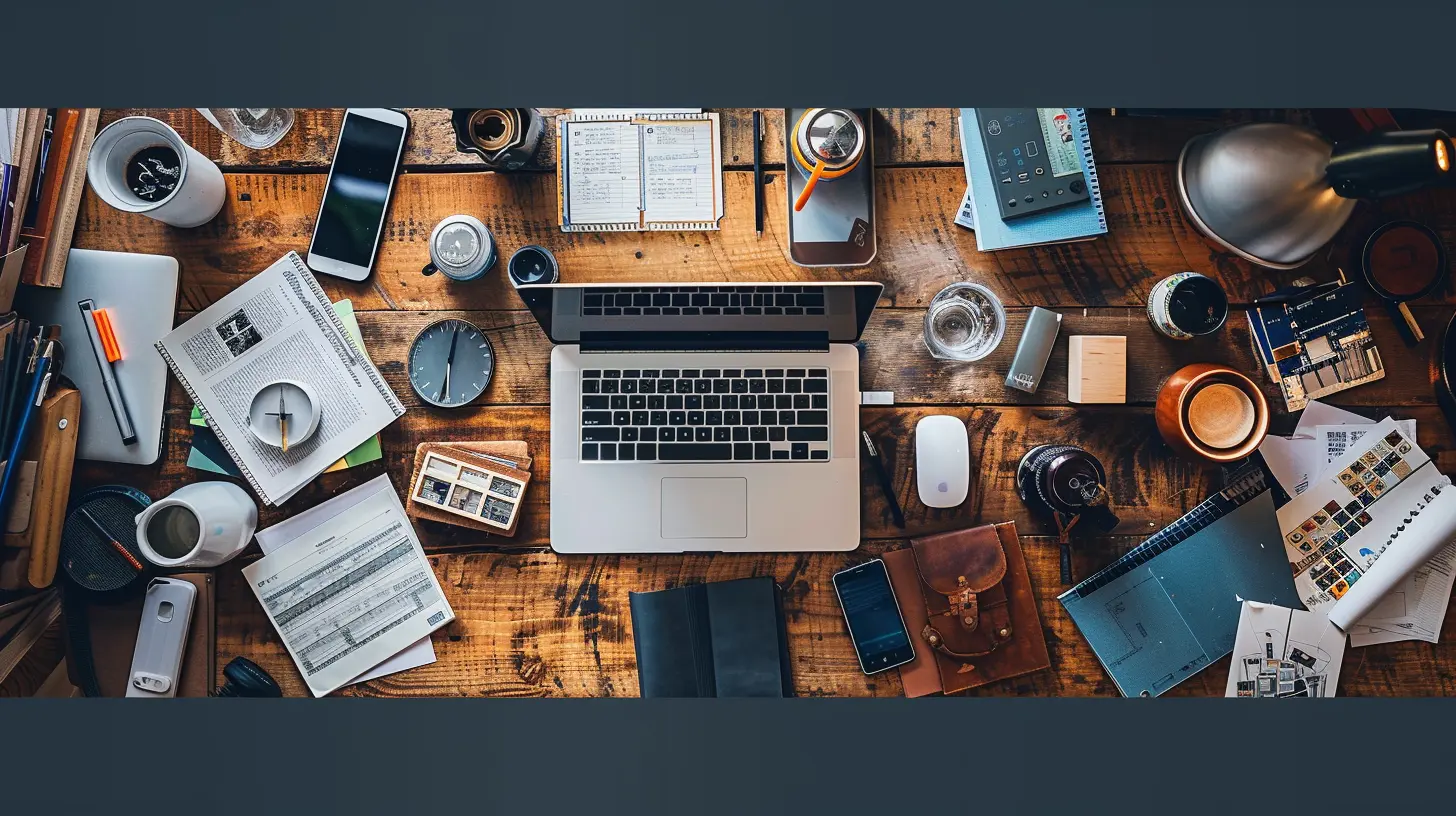
Multitasking and the Quality Paradox
Here’s the paradox: we multitask to get more done, but we end up delivering lower quality work—and sometimes doing everything slower overall.Creativity Takes a Backseat
Innovative thinking requires uninterrupted time. When you're mentally hopping between emails and spreadsheets, your brain never enters the “flow” state that sparks creativity. You might be working all day, but are you creating anything meaningful? Probably not.Think of your brain like a garden hose—when your attention is diffused between multiple tasks, the pressure weakens and your creative output trickles instead of flowing strong and fast.
Communication Quality Drops
Ever sent a rushed, half-baked email while on a conference call? We all have. Multitasking lowers the quality of your communication—whether verbal or written. You might leave out key info, overlook details, or misinterpret tone. This can lead to unnecessary follow-ups, confusion, and even workplace friction.The Neurological Angle: How Multitasking Changes Your Brain
This isn’t just about productivity. It’s also about what multitasking is doing to your brain over time.Gray Matter Reduction
Studies have shown that people who frequently multitask have less brain density in the anterior cingulate cortex—the region responsible for empathy, emotional control, and decision-making. That means multitasking could quite literally reshape how your brain functions, and not in a good way.Memory Weakens
Want to remember names, dates, and important facts better? Stop multitasking. Your short-term memory relies on focused attention. If you’re splitting your focus, your brain doesn’t know which pieces of information are worth storing—and so it often doesn’t bother storing any at all.
The Social and Cultural Pressure to Multitask
Let’s not forget the elephant in the room—society often glorifies multitasking. It’s seen as a superpower in both professional and personal circles.The "Busy Badge" of Honor
We tend to attach our self-worth to how full our schedules look. If you’re not busy, you’re lazy, right? Wrong. Being busy isn’t the same as being productive. That constant hustle culture pushes people to multitask just to keep up appearances.Workplace Expectations Make It Worse
Many workplaces unintentionally encourage multitasking. With open-plan offices, Slack messages popping every minute, and the expectation to reply “ASAP,” it’s no wonder we can’t concentrate. Employers need to be aware of the environment they’re creating and consider how it impacts brain health and productivity.What You Can Do Instead
So now that we’ve pulled back the curtain on the multitasking myth, what’s the solution? Simple: go deep, not wide.Embrace Monotasking
Monotasking—focusing on one task at a time—might feel counterintuitive at first, but it’s a game-changer. Set a timer, shut out distractions, and just give one task your full attention. You’ll get it done faster and better.Set Digital Boundaries
Silence notifications. Use “do not disturb” modes. Close those 30 tabs you’re not using. Digital minimalism isn’t about being unplugged—just being intentional with your tech time.Batch Similar Tasks
Instead of flipping between email and reports, group similar tasks together. Answer all your emails in one go. Then move on to your writing. Batching reduces the cognitive load and keeps your brain in a groove.Take Real Breaks
Don’t fool yourself—scrolling through social media isn’t a mental break. Step away from screens, take a walk, stretch, or just breathe. Real breaks reset your brain and help it process new information.
Final Thoughts
Multitasking might wear a mask of efficiency, but underneath, it’s draining your time, mental energy, and work quality. It’s like eating junk food to save time—you get a quick fix now but pay the price later.What if you started valuing depth over speed? What if your brain had room to think, breathe, and create again?
You don’t have to overhaul your entire workflow overnight. Start small. The next time you feel pulled in ten directions, pause. Pick one task. Give it your full attention. You might be surprised at how much more you actually get done—and how much better you feel doing it.
all images in this post were generated using AI tools
Category:
ProductivityAuthor:

Caden Robinson
Discussion
rate this article
2 comments
Zevin Bryant
Great article! 🌟 It's eye-opening to see how multitasking can secretly drain our productivity. Embracing focus instead can lead to amazing results. Can't wait to apply these insights! 😊
February 18, 2026 at 3:47 AM
Caden Robinson
Thank you! I'm glad you found it insightful. Embracing focus truly makes a difference! 😊
Xavi Horne
Multitasking may seem efficient, but it often leads to diminished focus, increased errors, and ultimately higher costs. Embracing single-tasking can enhance productivity and creativity, allowing us to invest our time and energy where it truly matters. Prioritizing quality over quantity can yield better results for both individuals and organizations.
January 21, 2026 at 5:46 AM
Caden Robinson
Thank you for highlighting the drawbacks of multitasking! I completely agree that focusing on single-tasking can lead to improved productivity and creativity, ultimately benefiting both individuals and organizations. Your insights reinforce the article's message about prioritizing quality over quantity.