Corporate Governance: Building Ethical Practices Across Borders
27 May 2026
In today’s hyper-connected world, companies aren’t just doing business within their own borders—they’re branching out, building partnerships, setting up offices, and serving customers all over the globe. It's exciting, fast-paced, and full of opportunity. But with growth comes responsibility, and one of the biggest responsibilities companies face is maintaining ethical corporate governance, especially when operating across multiple countries.
So, how do businesses create a playbook that ensures fairness, transparency, and accountability not just at home, but everywhere they operate? That’s where building ethical practices across borders comes into play. Let's break it down together.
What Is Corporate Governance, Really?
Let’s start with the basics. Corporate governance is essentially the system of rules, practices, and processes by which a company is directed and controlled. Think of it as the rulebook that guides how a company’s leadership makes decisions, how they treat employees, shareholders, and stakeholders, and how the company stays accountable.Good governance ensures a company isn't just profitable but also ethical, law-abiding, and socially responsible. It’s like the compass that keeps a company pointed in the right direction—even when the journey gets bumpy.
Why Ethics Shouldn’t Stop at the Border
Now here’s where it gets interesting. A company might have rock-solid, ethical practices in its home country—but what happens when it sets up shop in a country where rules are looser, oversight weaker, or corruption more widespread?It’s tempting to adapt to local ways of doing things, especially if it means saving time or money. But here’s the catch: cutting corners or turning a blind eye can hurt your reputation, alienate customers, and even land you in hot water legally. More importantly, it’s just not the right thing to do.
Building ethical practices across borders isn’t just a “nice to have”—it’s a must-have.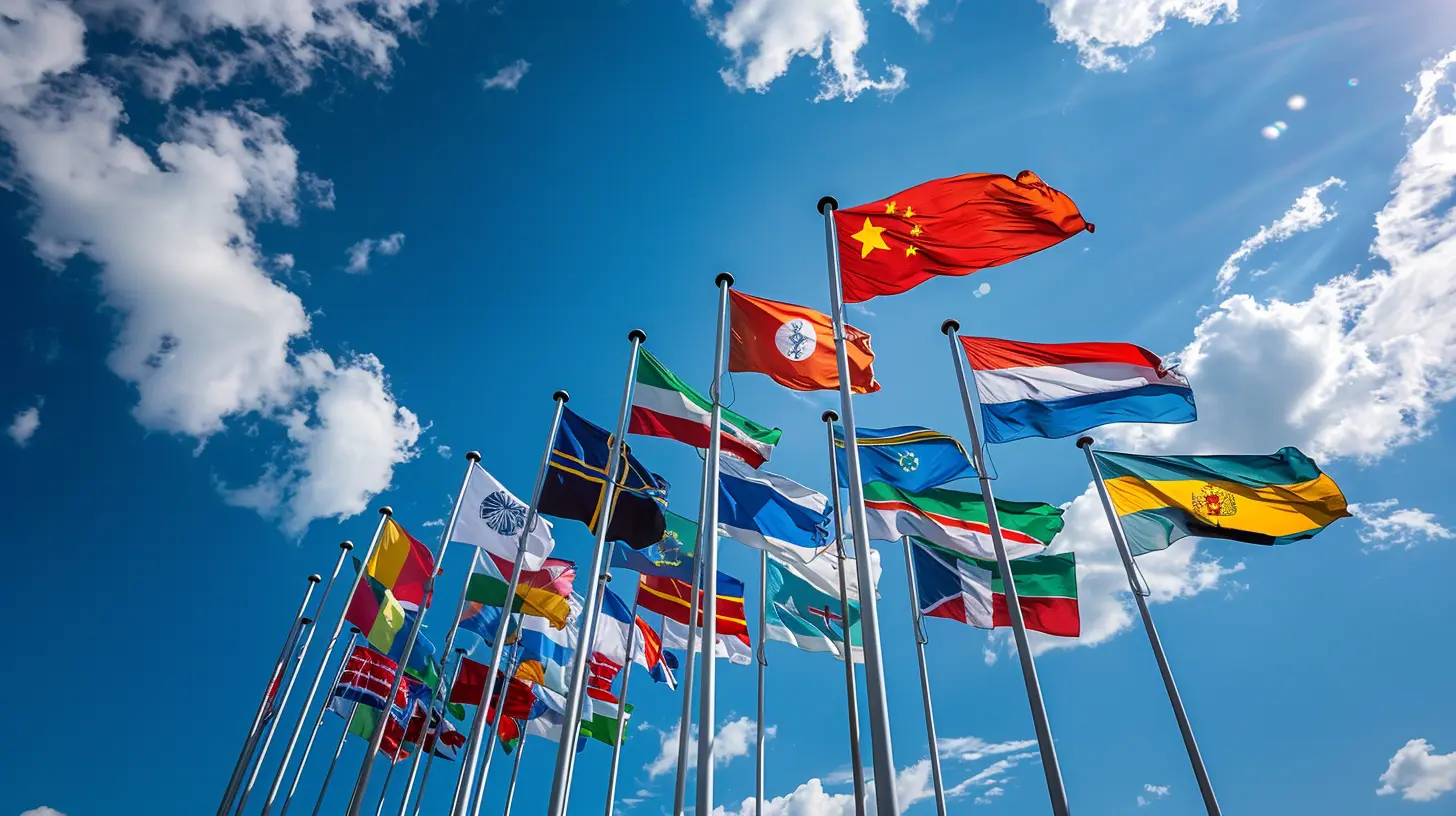
The Real-World Challenges of Global Governance
Let’s not sugarcoat it—governance across borders is messy. Why? Because you're dealing with different cultures, legal systems, regulatory environments, and business norms. What’s considered ethical in one country might raise eyebrows in another.Here are a few key challenges:
1. Cultural Differences
In some cultures, gift-giving is a sign of respect. In others, it could be seen as bribery. Corporate leaders have to walk a fine line, making sure their actions meet global standards without disrespecting local customs.2. Regulatory Variations
One country may demand strict data privacy measures, while another may have no such rules. How do you create a one-size-fits-all approach when the rules vary wildly?3. Inconsistent Enforcement
Even if a country has ethical guidelines in place, the enforcement of those rules might be inconsistent or even corrupt. That makes it tough for companies to rely on local systems to keep things clean.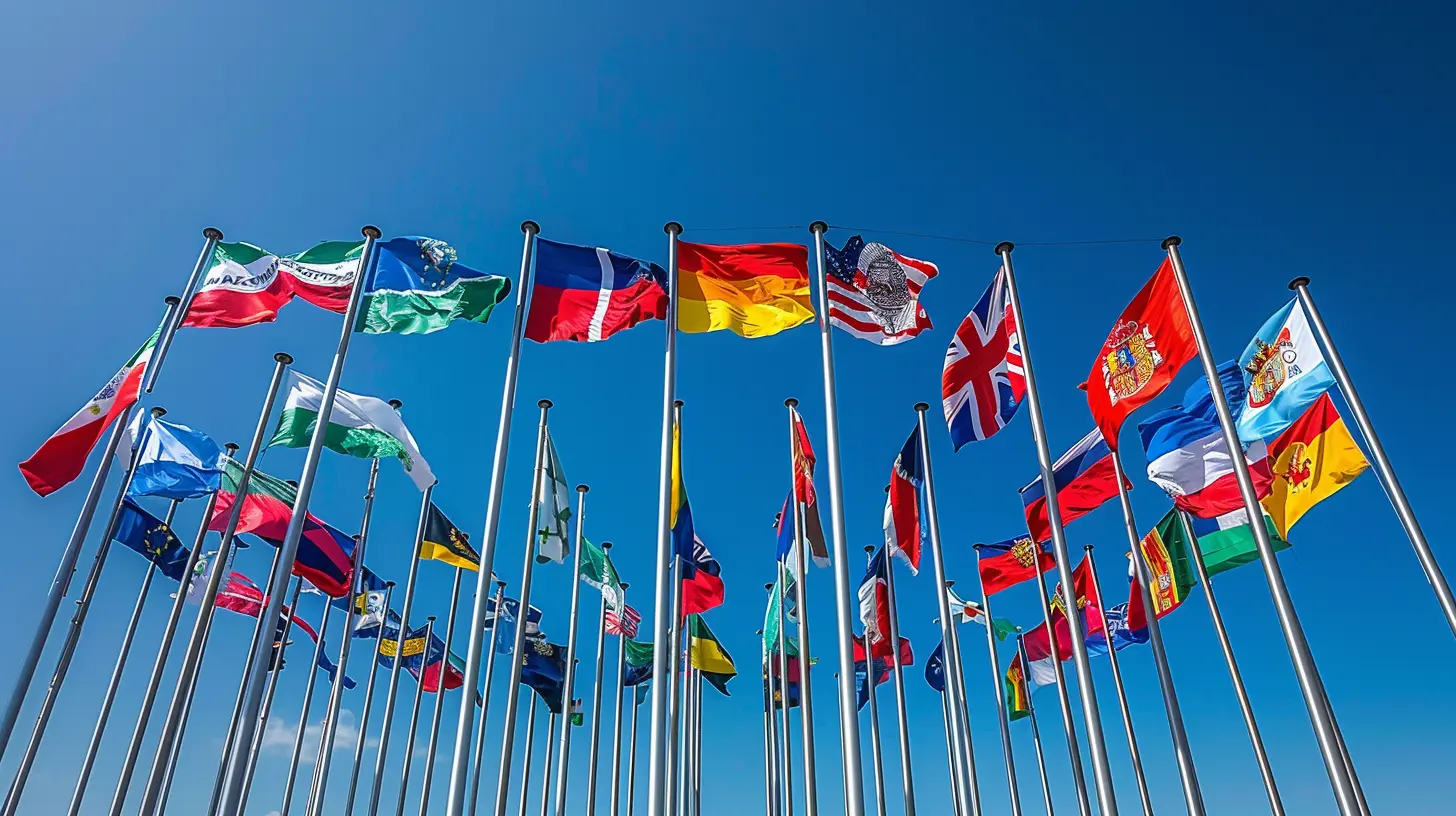
Building Ethical Corporate Governance Across Borders
So how do you go global without losing your ethical compass? It’s not easy, but it’s definitely doable. Here’s a roadmap to follow:1. Start with a Strong Ethical Foundation
Ethical global governance starts at home. Your company should have a crystal-clear mission, vision, and set of core values that prioritize integrity, fairness, and accountability. These should serve as your North Star—guiding every decision, anywhere in the world.Your code of conduct shouldn’t be a dusty PDF no one reads. It should be living, breathing, and relevant to the real-world situations your employees face. Make it engaging, relatable, and widely accessible.
2. Implement Global Standards With Local Sensitivity
It’s crucial to strike a balance between consistency and flexibility. Set global ethical standards but allow for cultural nuance. For instance, don’t compromise on transparency or anti-bribery measures, but educate your employees on how local customs fit (or clash) with those standards.Remember, ethical governance doesn’t mean bulldozing over local practices—it means working with them without compromising core values.
3. Train, Train, and Then Train Again
Talking ethics once a year isn’t going to cut it. Build regular ethics training into everyone’s calendar—from interns to executives. Use real-world examples and dilemmas. Make the sessions interactive and localized so they resonate with employees from different backgrounds.Better yet, make ethics part of your daily conversations. Encourage managers to discuss ethical choices during team meetings. The more you talk about it, the more ingrained it becomes.
4. Hold Leaders Accountable
If the top brass cuts corners, you can bet the rest of the company will follow suit. Strong governance starts at the top. Make sure your leaders walk the talk—and have their performance evaluated not just on results, but how those results were achieved.Even better? Tie ethical behavior to bonuses and promotions. That way, doing the right thing isn’t just about morals—it’s also smart career strategy.
5. Create Safe Channels for Whistleblowing
People need to know they can speak up without fear. Whether it’s a hotline, anonymous email, or third-party whistleblower service—make sure your employees have tools to report unethical behavior confidentially.And here’s the kicker: when someone does report an issue, act on it. Fast. Ignoring concerns can destroy trust and defeat the whole purpose of having a reporting system.
6. Monitor, Audit, and Improve Continuously
Ethical governance isn't a “set it and forget it” deal. You need regular audits, both internal and external, to identify gaps and areas for improvement. Use KPIs (Key Performance Indicators) to track compliance and ethical conduct—not just productivity and profits.Stay curious. What worked last year might need tweaking this year. Be open to feedback and keep pushing toward a higher standard.
Case Studies: When Ethics Go Right (And Wrong)
The Good: Patagonia
Patagonia has made ethics and sustainability part of its brand DNA. Whether it's fair labor practices in its factories or environmental advocacy, the company applies the same high standards across all markets. That’s ethical governance in action.The Bad: Siemens Bribery Scandal
In the mid-2000s, Siemens was caught up in a massive international bribery scandal, with over $1.6 billion in fines. The company had to completely overhaul its compliance systems. It was a wake-up call for the dangers of letting local customs override global ethics.Why Ethical Governance Pays Off
Still wondering if it’s worth all the effort? Let’s talk benefits.- Reputation Boost: Customers, investors, and partners trust companies that operate ethically—across all markets.
- Employee Loyalty: People want to work for a company they can be proud of.
- Risk Mitigation: You’ll avoid legal trouble, fines, and damage control PR.
- Competitive Advantage: Standing for something plays well with today’s socially conscious consumers.
In short, being ethical isn’t just the right thing to do—it’s good business.
Tools to Help You Govern Globally
Let’s face it—you don’t have to go it alone. Here are some tools and frameworks that can make life easier:- OECD Guidelines for Multinational Enterprises
- UN Global Compact Principles
- ISO 37001 Anti-Bribery Management System
- Ethical Trading Initiative (ETI) Base Code
These aren’t just buzzwords. They’re practical, actionable frameworks that help build scalable and ethical policies across borders.
Final Thoughts: Ethics Without Borders
Let’s wrap it up. Ethical corporate governance across borders isn’t a checkbox you tick off—it’s a mindset. It’s about creating a company culture where people want to do the right thing and are empowered to do so, no matter where they are in the world.When companies truly commit to ethical governance globally, they build more than just businesses—they build legacies. And in a global marketplace where trust is everything, that legacy can be your biggest asset.
So, if your business is setting its sights on the global stage, make sure ethics is packed in your carry-on. It’ll take you further than any flight could.
all images in this post were generated using AI tools
Category:
Global BusinessAuthor:

Caden Robinson
Discussion
rate this article
1 comments
Hawk McCarthy
Effective corporate governance is the backbone of ethical practices, especially in a global market. Companies must navigate cultural differences while maintaining integrity. It's not just about compliance; it's about fostering trust. When ethics guide decision-making, businesses not only thrive but also create lasting positive impacts across borders.
June 5, 2026 at 2:45 AM